In-House vs. Outsourcing Software Development: A Guide
In-House vs. Outsourcing Software Development: Which Path Is Right for You?
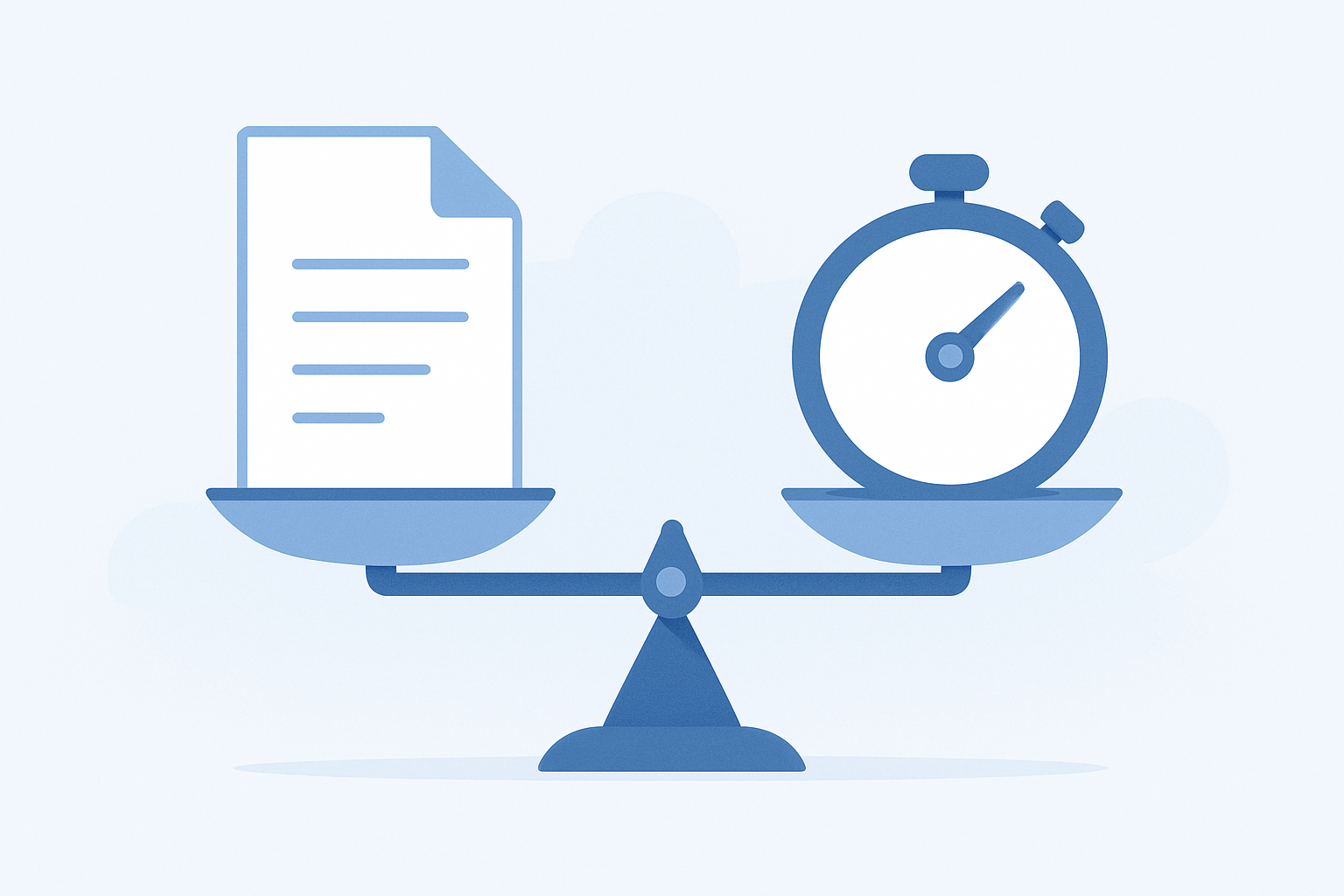
Every business owner and startup founder eventually faces the same critical question: should you build an in-house development team or outsource your software project to an external partner? The answer is not one-size-fits-all. Your budget, timeline, long-term goals, and technical requirements all play a role in determining the right approach.
This guide walks you through the key differences, real-world trade-offs, and the questions you should be asking before making a decision.
What Is In-House Software Development?
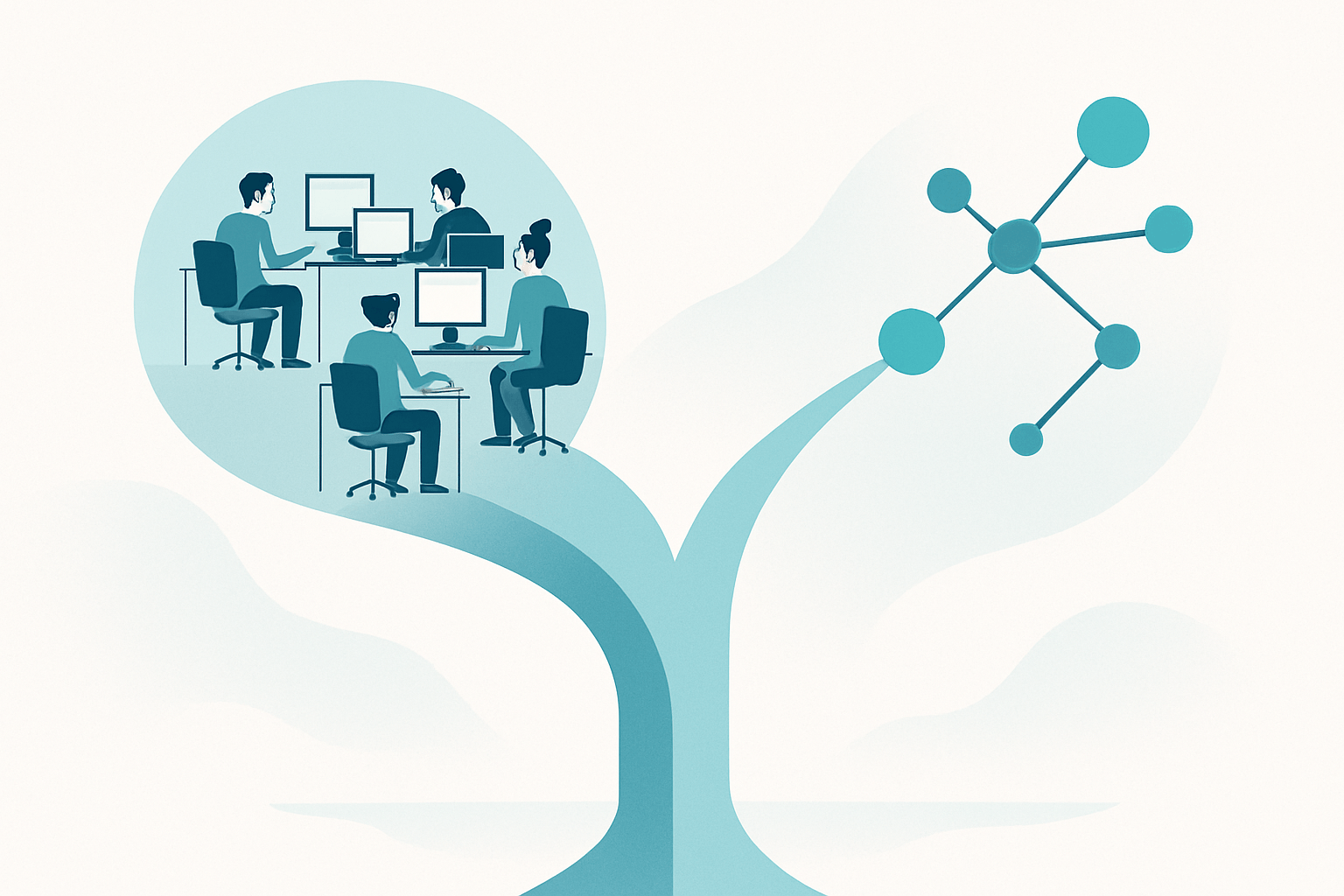
In-house development means hiring full-time employees or contractors who work exclusively within your organization to build, maintain, and scale your software. These developers are on your payroll, embedded in your company culture, and fully dedicated to your product.
Advantages of Building In-House
Deep product knowledge: Employees who work with your product daily develop an intimate understanding of your business logic and user needs.
Direct communication: No time-zone friction, no language barriers, and real-time collaboration across teams.
Long-term commitment: In-house developers grow with your company and invest in its success over time.
Cultural alignment: Your team shares your values, priorities, and vision from day one.
Disadvantages of Building In-House
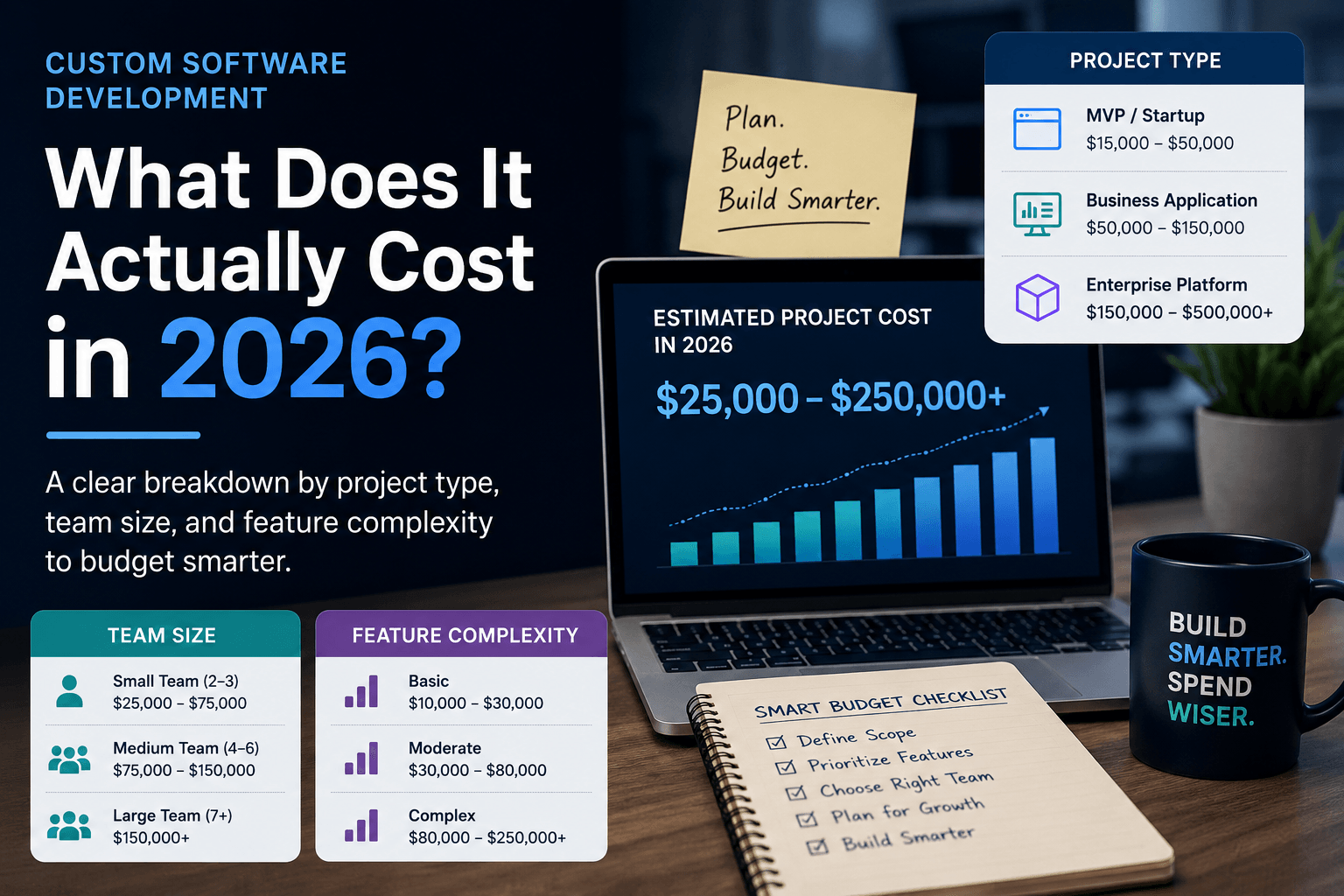
High upfront costs: Salaries, benefits, equipment, office space, and recruiting fees add up fast. A single senior developer in the U.S. can cost $120,000 to $180,000 per year before overhead.
Slow hiring process: Finding, vetting, and onboarding qualified developers takes months, not weeks.
Skill gaps: Building a product often requires multiple specialties such as frontend, backend, DevOps, and mobile. Covering all of those with full-time hires is expensive.
Scalability challenges: If your project scope changes, scaling an in-house team up or down quickly is difficult.
What Is Outsourced Software Development?
Outsourcing software development means partnering with an external agency, nearshore team, or offshore provider to design, build, and deliver your software product. The work is handled by specialists outside your organization under a contract or project agreement.
Advantages of Outsourcing
Lower overall cost: Outsourced teams, especially U.S.-based agencies, typically offer more predictable pricing without the overhead of full-time employment.
Faster time to market: A skilled agency already has a team in place. You skip the recruiting phase entirely and move straight into development.
Access to a full team: Rather than hiring one or two generalists, you get access to developers, designers, QA engineers, and project managers under one roof.
Flexibility and scalability: Need to add a mobile component mid-project? A good outsourcing partner can adjust without the delays tied to hiring.
Reduced management burden: You focus on your business while the development partner manages the technical execution.
Disadvantages of Outsourcing
Less direct control: You are relying on an external team, which requires clear communication, defined milestones, and trust.
Varying quality: Not all outsourcing partners are created equal. Choosing the wrong vendor can result in missed deadlines or poor code quality.
Onboarding time: Even a great agency needs time to understand your business before building. A thorough discovery phase is essential.
IP and security concerns: Contracts, NDAs, and data security protocols must be clearly established upfront.
Key Factors to Compare Side by Side
1. Cost
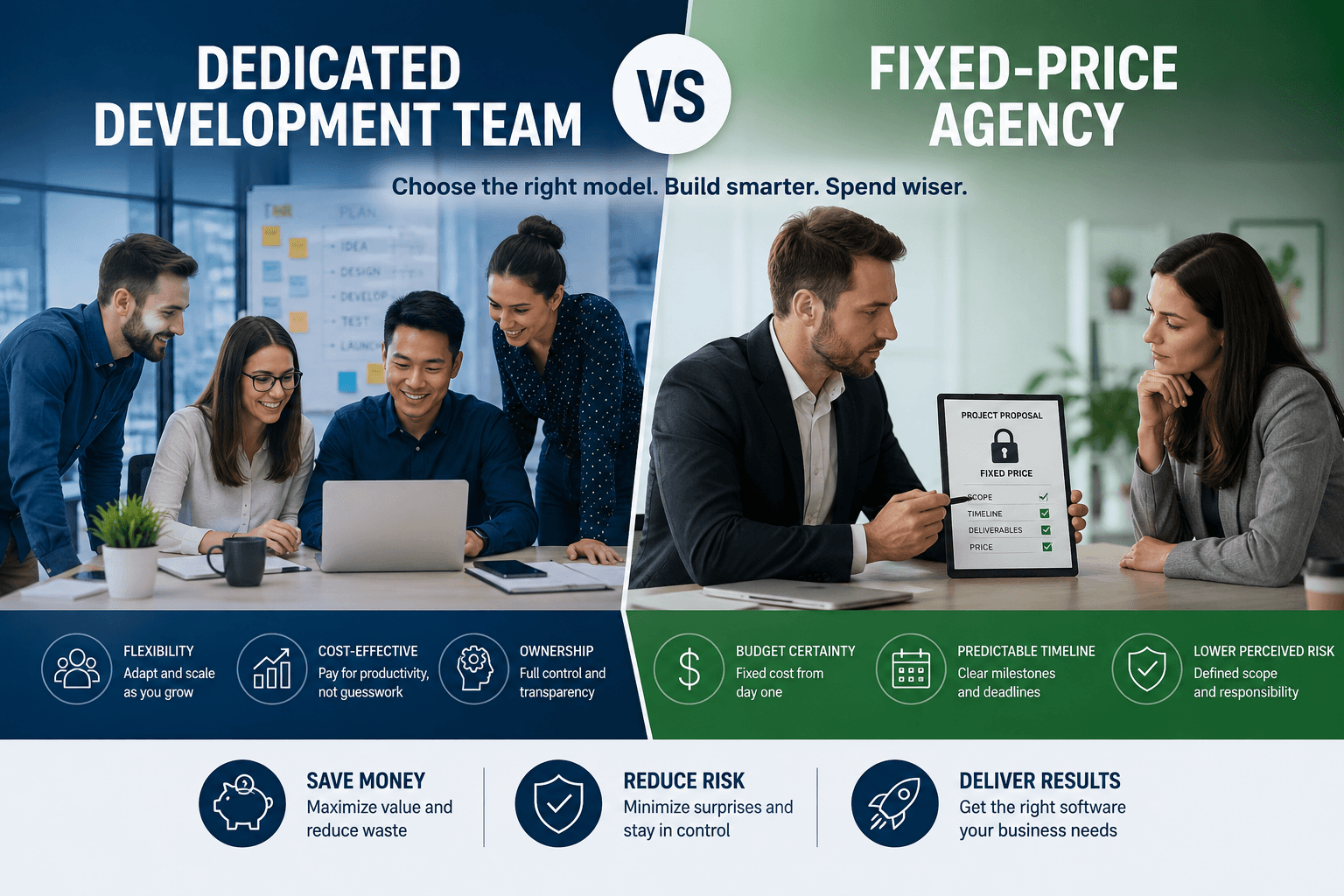
In-house: High fixed costs including salaries, benefits, recruiting, and infrastructure. Best for companies with large, ongoing development needs.
Outsourced: Variable or project-based pricing that scales with your needs. Often significantly more affordable for startups and growing businesses.
2. Speed
In-house: Hiring alone can take three to six months. Onboarding adds more time before a single line of code is written.
Outsourced: A reputable agency can begin discovery within days and launch development within weeks.
3. Expertise
In-house: Limited to the skills of who you hire. Expanding expertise means additional hires.
Outsourced: Agencies bring cross-functional teams with experience across industries, platforms, and tech stacks.
4. Long-Term Maintenance
In-house: Your team owns the codebase and can maintain and evolve it over time without dependency on a vendor.
Outsourced: Look for partners who offer post-launch support and documentation, so you are never left without a path forward.
5. Communication
In-house: Real-time, face-to-face or same-timezone collaboration with full transparency.
Outsourced: With a U.S.-based or nearshore partner, communication challenges are minimized. Look for teams with dedicated project managers and regular check-ins.
When Does In-House Make Sense?
In-house development is a strong choice when your business has consistent, high-volume development needs, when protecting proprietary processes is a top priority, or when you are a large organization with the resources to build and sustain a full engineering department.
When Does Outsourcing Make More Sense?
Outsourcing is typically the smarter move for startups validating an MVP, small to mid-size businesses launching their first software product, or any organization that needs to move fast without the overhead of building an internal team from scratch.
If your roadmap includes a specific product, a defined budget, and a need for speed, outsourcing to a trusted development partner gives you the best combination of quality, cost-efficiency, and execution speed.
Questions to Ask Before You Decide
What is your budget for the first 12 months of development?
Do you need a product launched within a specific window?
Will you require ongoing daily development, or is this a defined-scope project?
Do you have the HR infrastructure to recruit, hire, and retain technical talent?
What is your technical background, and how much can you manage internally?
Honest answers to these questions will often point clearly toward one option.
Making the Right Choice for Your Business
There is no universally correct answer between in-house and outsourced development. The best path depends on your stage of growth, your financial runway, and the complexity of what you are building. Many businesses choose to outsource early-stage development to get to market faster, then build internal teams once revenue and product-market fit are established.
If you are evaluating your options and want a straightforward conversation about what makes sense for your specific situation, the team at NextGen Software in Boca Raton, FL is ready to help. We specialize in custom software development for businesses and startups across South Florida and beyond, and we offer transparent pricing with no long-term lock-in.
Schedule a free discovery call at nextgensoftware.us and let us help you build smarter.