Custom Software Development Cost in 2026: Full Breakdown
Custom Software Development Cost in 2026: Full Breakdown
If you are a business owner or startup founder exploring custom software, the first question that comes to mind is almost always the same: how much is this going to cost? The honest answer is that it depends, but that answer does not have to feel frustrating. With the right framework, you can walk into any discovery call with a realistic budget range and a clear sense of what drives the numbers up or down.
This guide breaks down custom software development costs in 2026 so you can plan confidently, avoid sticker shock, and make smarter investment decisions.
Why Custom Software Costs Vary So Widely
Custom software is not a commodity. Unlike buying an off-the-shelf tool, you are paying for a product built around your specific business logic, workflows, and goals. Several factors directly influence the final price tag:
Project complexity: A simple internal tool costs far less than a multi-tenant SaaS platform with real-time data processing.
Team location: Developers in North America bill at different rates than offshore teams.
Technology stack: Some frameworks and infrastructure choices require more specialized (and more expensive) talent.
Timeline: Rushing a project compresses timelines and typically increases cost.
Ongoing maintenance: Post-launch support is a recurring line item many founders forget to budget.
Understanding these levers gives you control over the conversation before you ever talk to a vendor.
Custom Software Development Cost Ranges in 2026
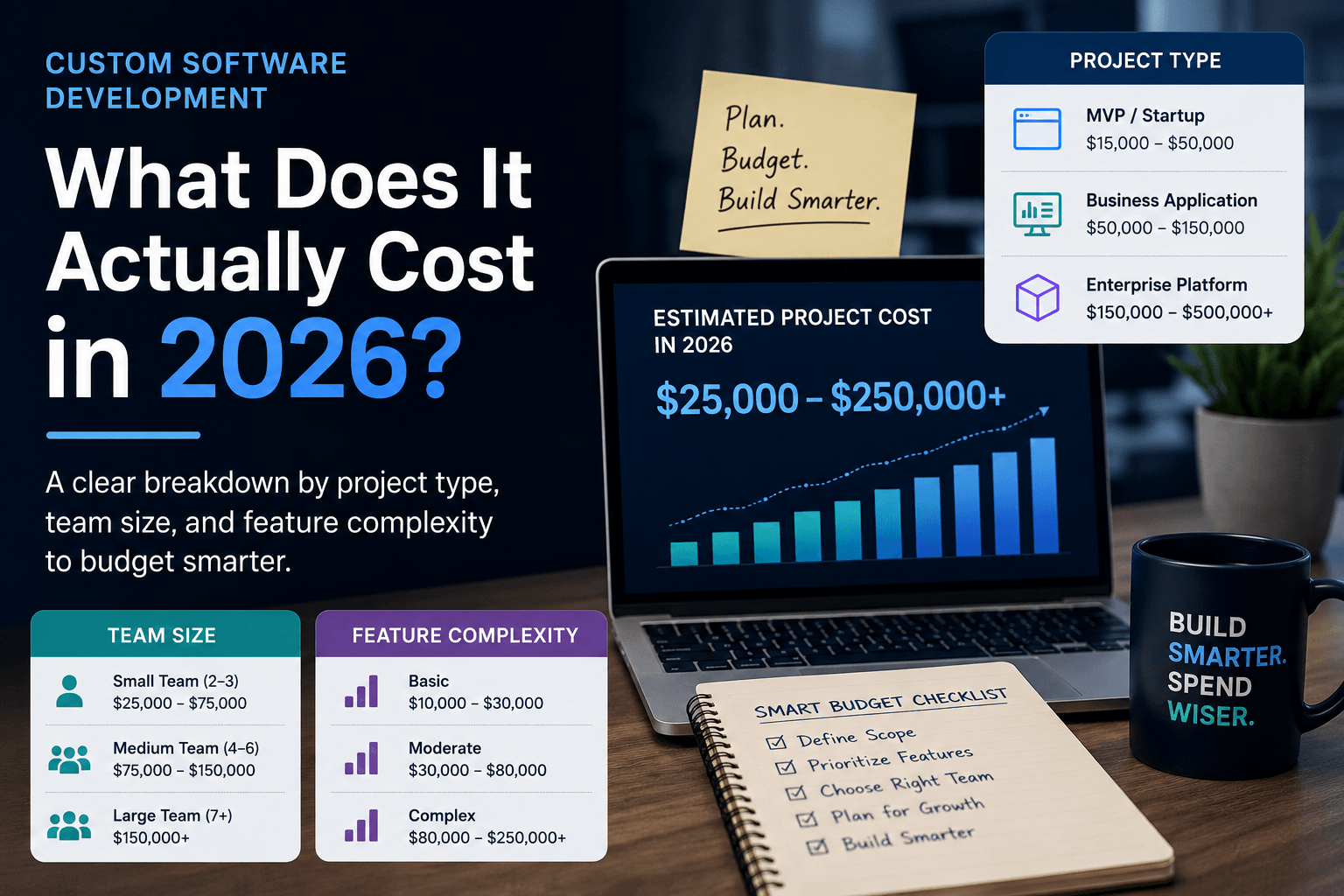
Here is a realistic breakdown by project tier. These figures reflect a full development cycle including discovery, design, development, testing, and initial deployment.
Small-Scale Projects (Simple Internal Tools)
Typical cost range: $15,000 to $50,000
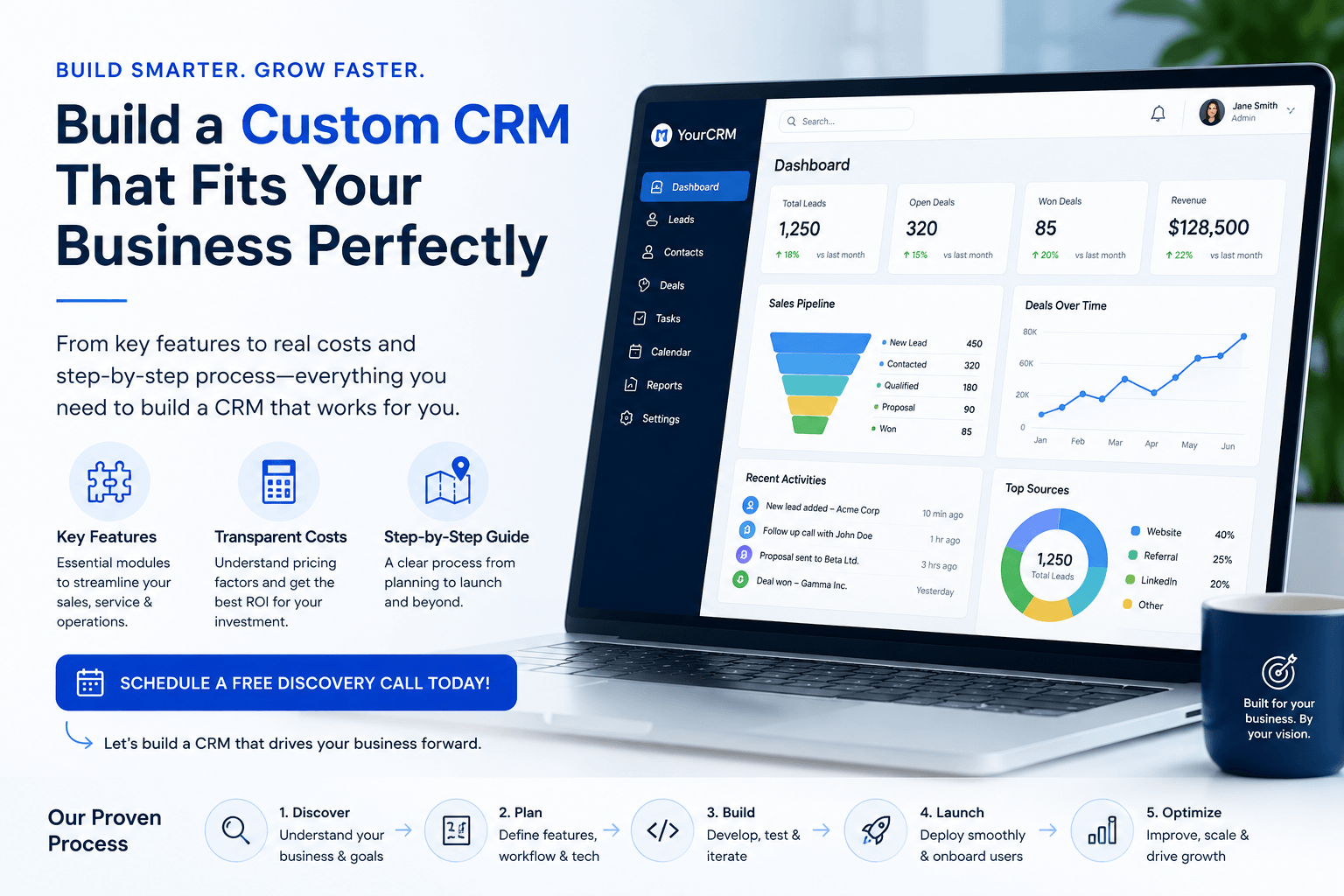
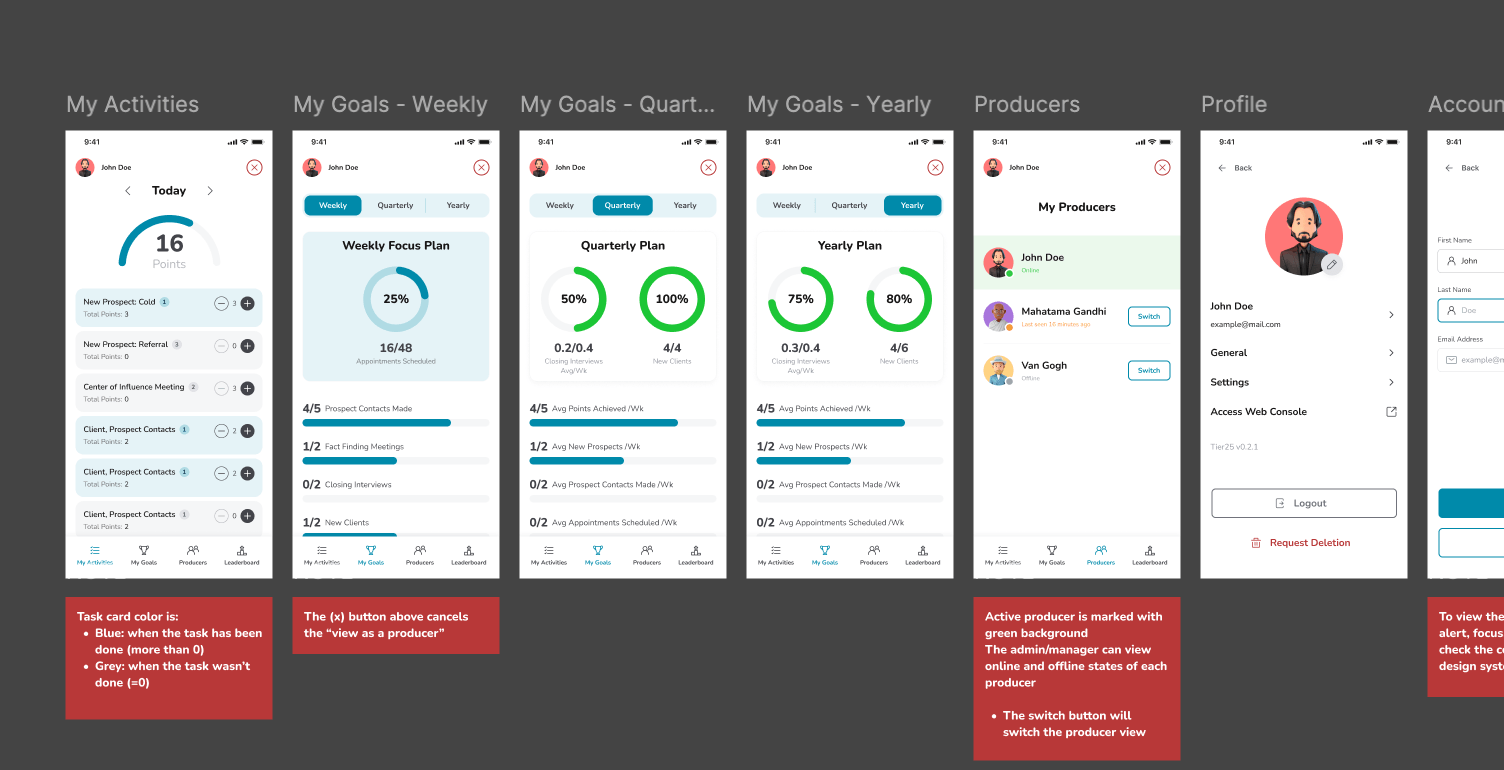
These are focused applications solving one or two core problems. Examples include custom employee dashboards, simple CRM tools, basic client portals, or lightweight workflow automation systems. Timelines usually run 6 to 14 weeks with a small team of 2 to 4 developers.
Mid-Tier Projects (Business Platforms and MVPs)
Typical cost range: $50,000 to $150,000
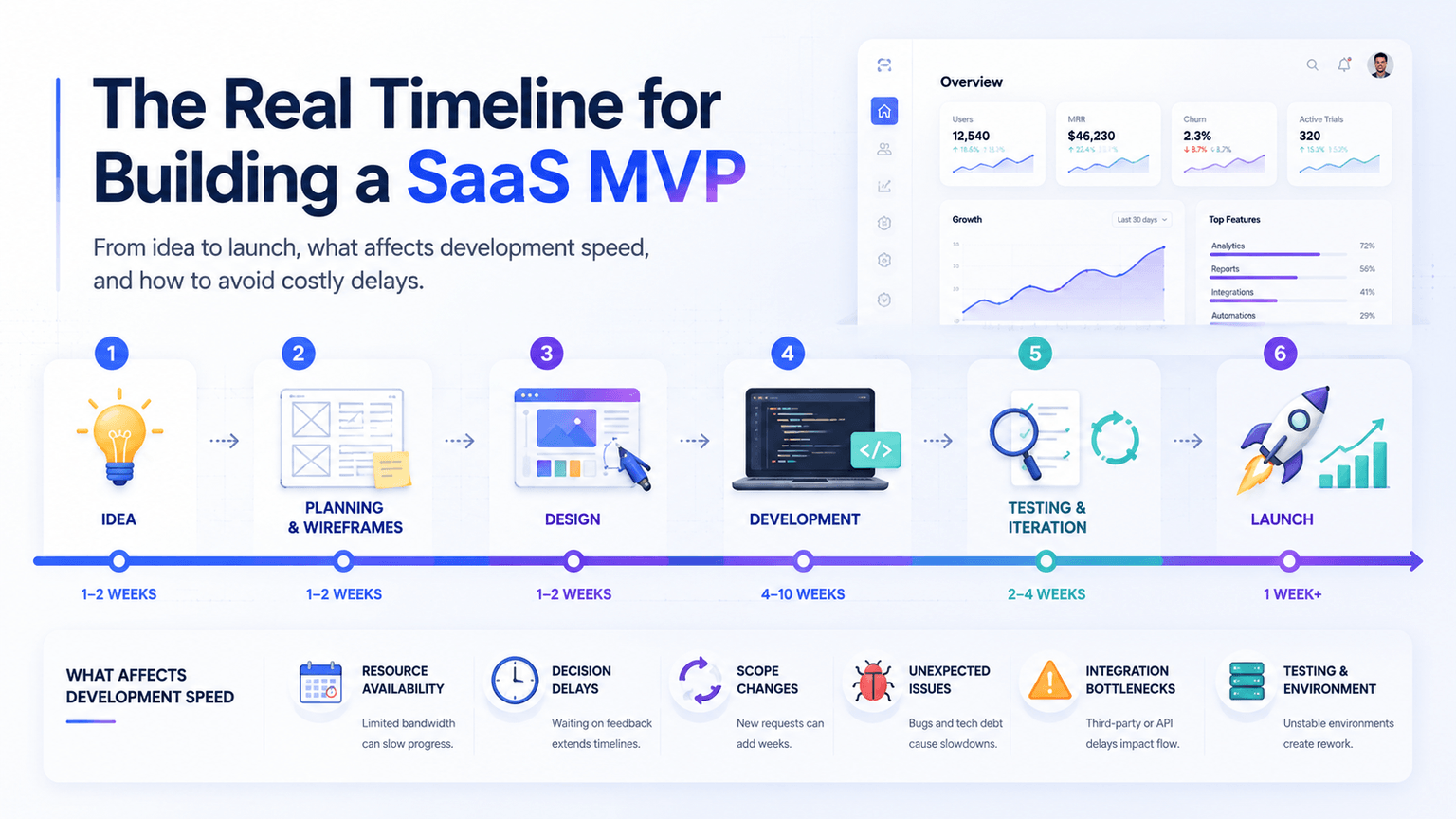
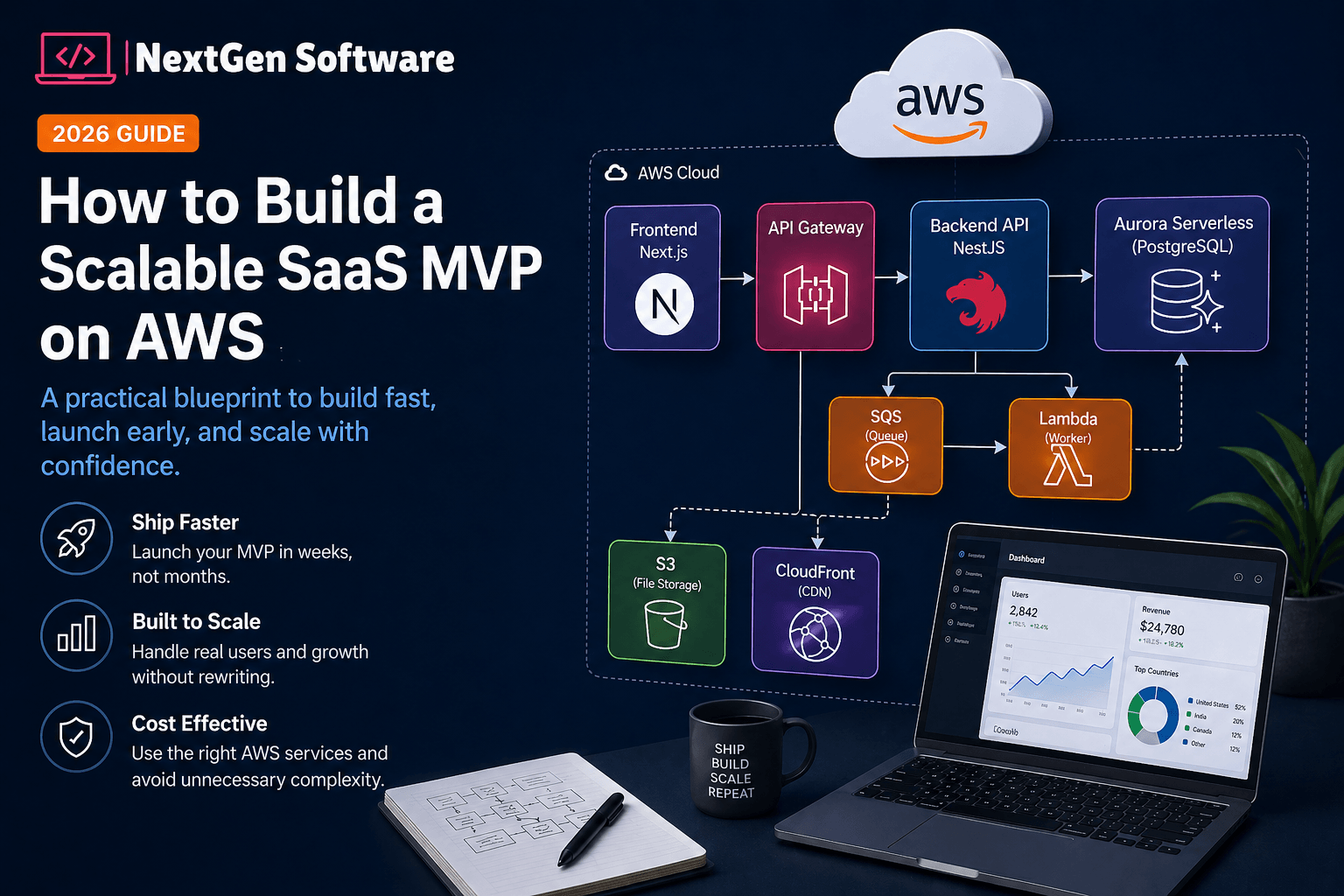
This is the most common range for funded startups and growing small-to-midsize businesses. Projects at this level include fully featured MVP applications, customer-facing web or mobile apps, marketplace platforms, and integrated business management systems. Expect a team of 4 to 8 people and a timeline of 3 to 8 months.
Enterprise-Level Projects (Complex Systems and SaaS Platforms)
Typical cost range: $150,000 to $500,000+
Large-scale systems with advanced integrations, high concurrency requirements, multi-role user systems, or AI-driven features fall into this tier. Healthcare platforms, fintech applications, and logistics management systems are common examples. These projects run 9 to 18 months or longer with cross-functional teams.
Key Cost Drivers You Need to Understand
Development Team Structure
A complete development team typically includes a project manager, UX/UI designer, front-end developer, back-end developer, QA engineer, and sometimes a DevOps engineer or solutions architect. Each role adds to the hourly burn rate.
Here is a general hourly rate comparison by region:
United States and Canada: $125 to $250 per hour
Western Europe: $80 to $150 per hour
Eastern Europe: $40 to $90 per hour
South and Southeast Asia: $20 to $55 per hour
Latin America: $35 to $80 per hour
Choosing a team based solely on hourly rate is a mistake many founders regret. Communication gaps, time zone friction, and inconsistent quality often cost more in rework than the savings in hourly rate.
Feature Complexity
Certain features carry significant development weight. When scoping your project, flag these high-cost items early:
Third-party integrations such as payment gateways, CRMs, or ERP systems
Real-time functionality including live chat, notifications, or data streaming
Role-based access control for multi-user environments
AI and machine learning components
Mobile app development on both iOS and Android
Advanced reporting and analytics dashboards
Each of these can add $10,000 to $50,000 or more depending on scope.
Maintenance and Support
Do not overlook post-launch costs. Ongoing maintenance typically runs 15 to 25 percent of the initial development cost per year. For a $100,000 project, expect $15,000 to $25,000 annually in hosting, updates, security patches, and feature enhancements.
How to Reduce Costs Without Sacrificing Quality
Smart founders approach cost reduction strategically, not by cutting corners on quality. Here are proven ways to stay on budget:
Start with an MVP: Build only the core features that validate your business model. Add complexity after launch based on real user feedback.
Define scope before development begins: Scope creep is one of the top budget killers. A thorough discovery phase saves money in the long run.
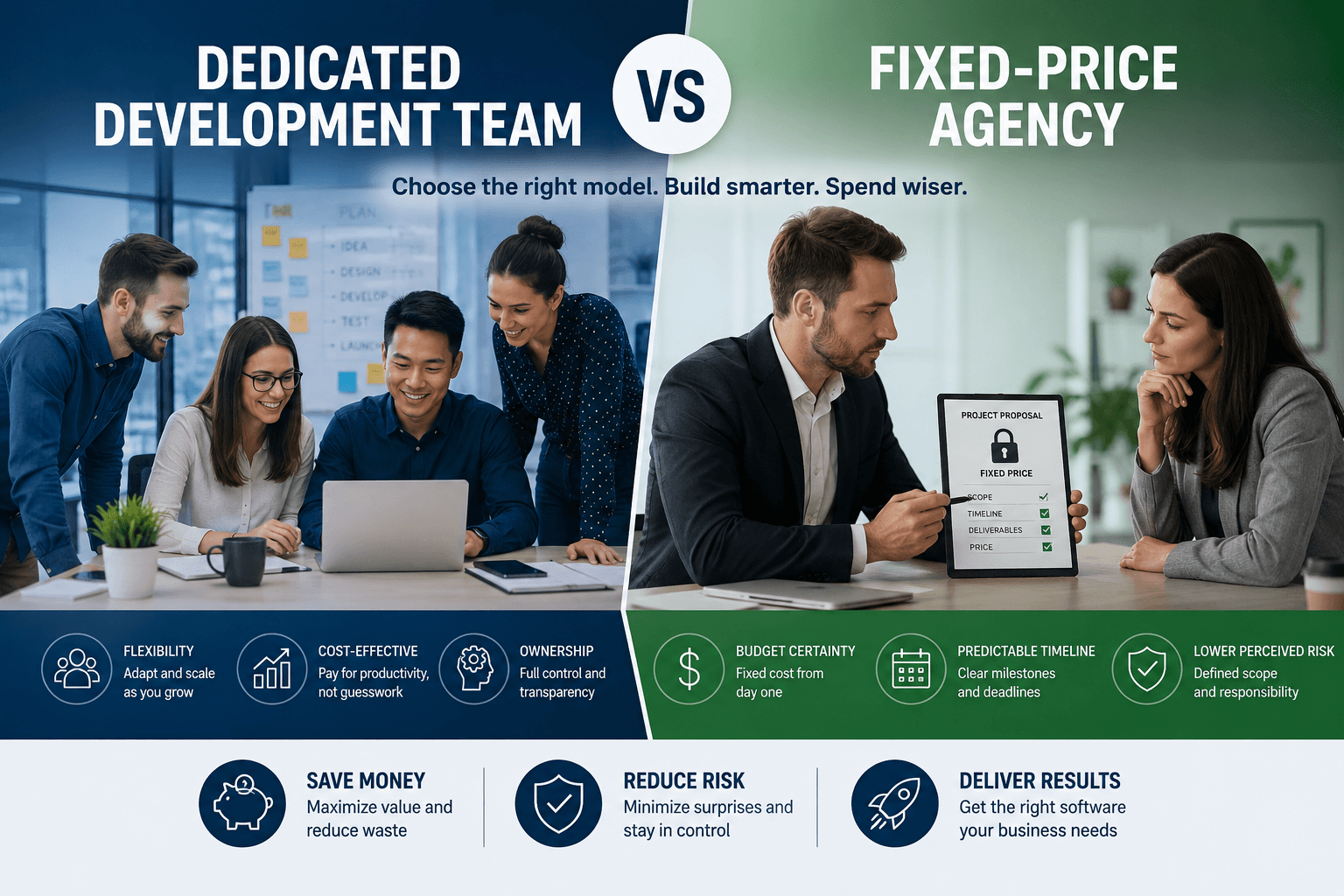
Choose the right engagement model: Fixed-price contracts work well for clearly defined projects. Time-and-materials contracts offer flexibility for evolving requirements.
Prioritize a local or nearshore team: You gain proximity, easier communication, and stronger accountability without always paying top-tier offshore rates.
Invest in documentation: Well-documented code reduces the cost of future updates and lowers onboarding time for new developers.
Is Custom Software Worth the Investment?
For many businesses, the answer is yes, especially when the alternative is forcing your operations to conform to software that was not built for your needs. The right custom solution:
Eliminates licensing fees that compound over time on SaaS tools
Scales with your business without per-seat pricing that punishes growth
Integrates seamlessly with your existing systems
Becomes a competitive asset that competitors cannot simply copy
The question is not always whether you can afford custom software. It is often whether you can afford the inefficiency of not having it.
Plan Your Budget with a Trusted Development Partner
Understanding cost ranges is a solid first step, but every project is different. The most reliable way to get an accurate estimate is to sit down with an experienced development team and walk through your specific requirements.
NextGen Software, based in Boca Raton, FL, specializes in building custom software solutions for business owners and founders who are ready to invest in technology that actually fits their operations. From simple internal tools to full-scale SaaS platforms, their team brings clarity to the scoping process and transparency to every line of the budget.
If you are ready to stop guessing and start planning, schedule a free discovery call at nextgensoftware.us and get a realistic cost estimate tailored to your project.