How Long Does It Take to Build a SaaS MVP? Timeline
How Long Does It Actually Take to Build a SaaS MVP? A Real Timeline Breakdown
If you have a SaaS idea and you are ready to move forward, one of the first questions you will ask is: how long is this going to take? The honest answer is that it depends, but that answer is not very useful on its own. What you actually need is a realistic picture of what goes into building a minimum viable product (MVP), what drives the timeline, and where things commonly go wrong.
This guide breaks it all down phase by phase, so you can plan with confidence.
What Is a SaaS MVP, Really?
Before we get into timelines, it is worth clarifying what a SaaS MVP actually is. An MVP is not a half-finished product. It is a focused, functional version of your software that delivers core value to your first users without every feature you eventually plan to build.
A good MVP allows you to:
Validate your core assumption with real users
Collect feedback before investing in full-scale development
Start generating revenue or investor interest sooner
Reduce the risk of building features nobody wants
The goal is speed to learning, not speed to perfection. Keeping that mindset will help you make smarter decisions throughout the build.
The Average SaaS MVP Timeline: A Phase-by-Phase Breakdown
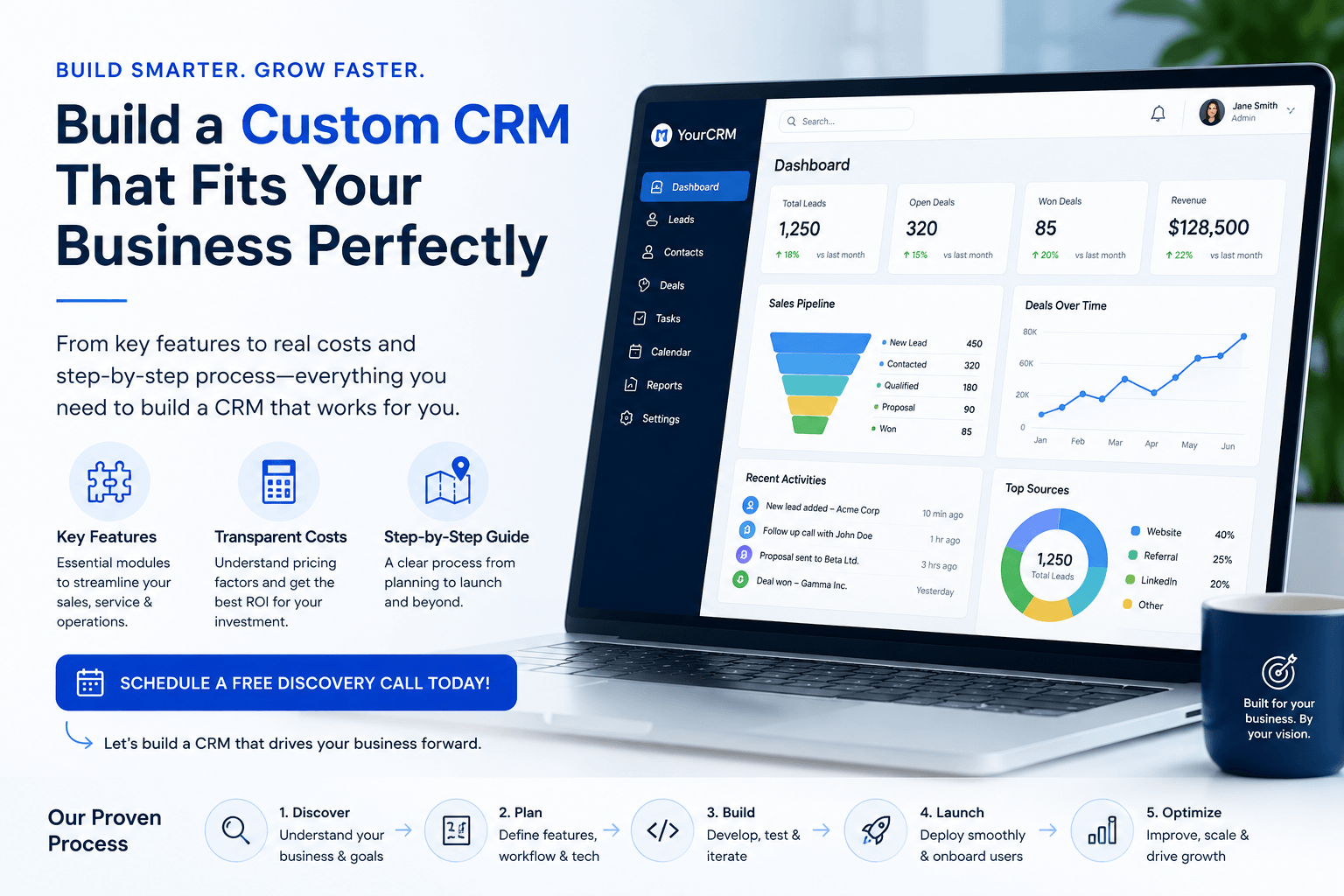
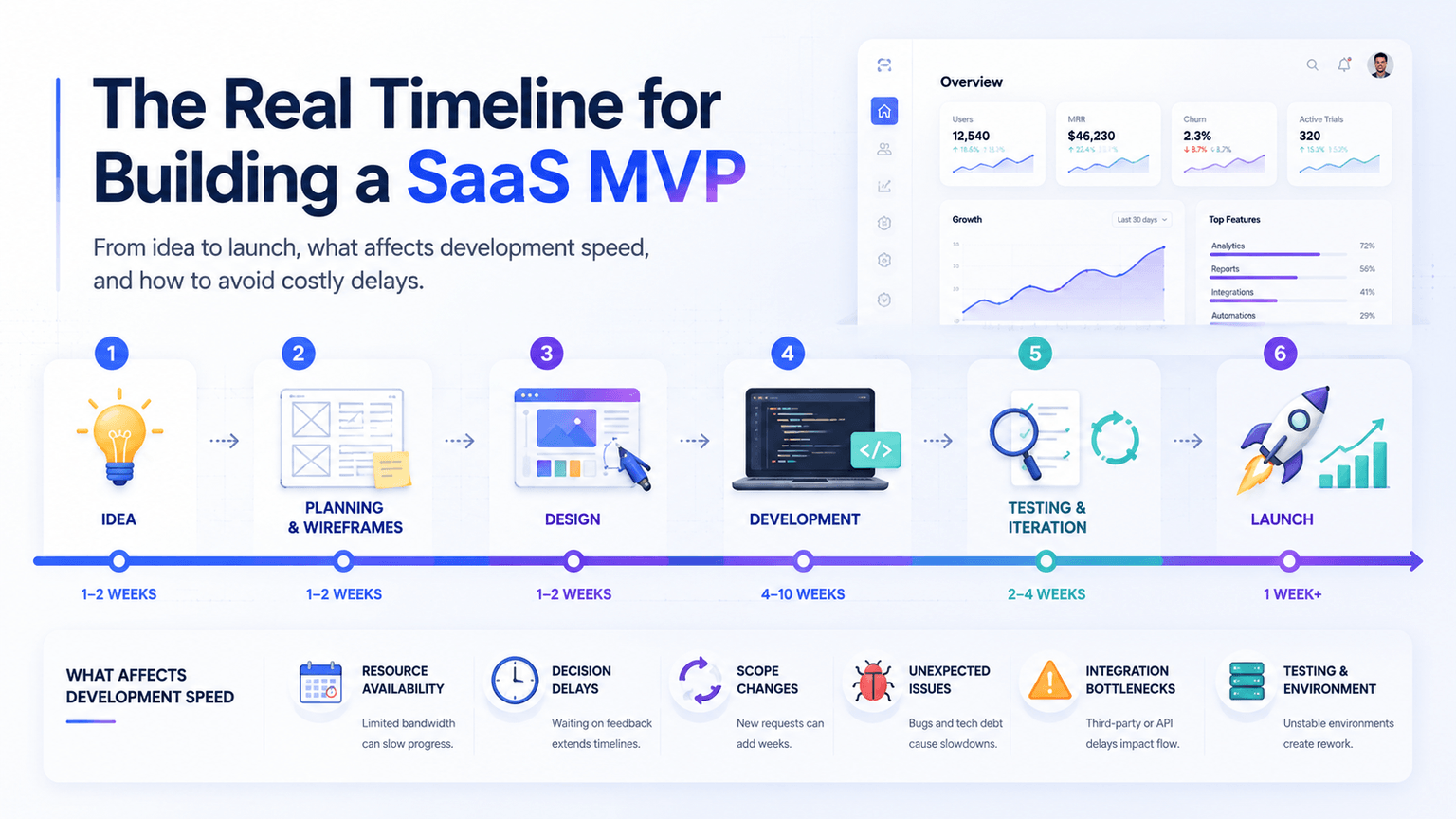
Most SaaS MVPs take between 8 and 20 weeks from kickoff to launch, depending on complexity, team size, and how well-defined the requirements are going in. Here is what that typically looks like across each phase.
Phase 1: Discovery and Planning (2-3 Weeks)
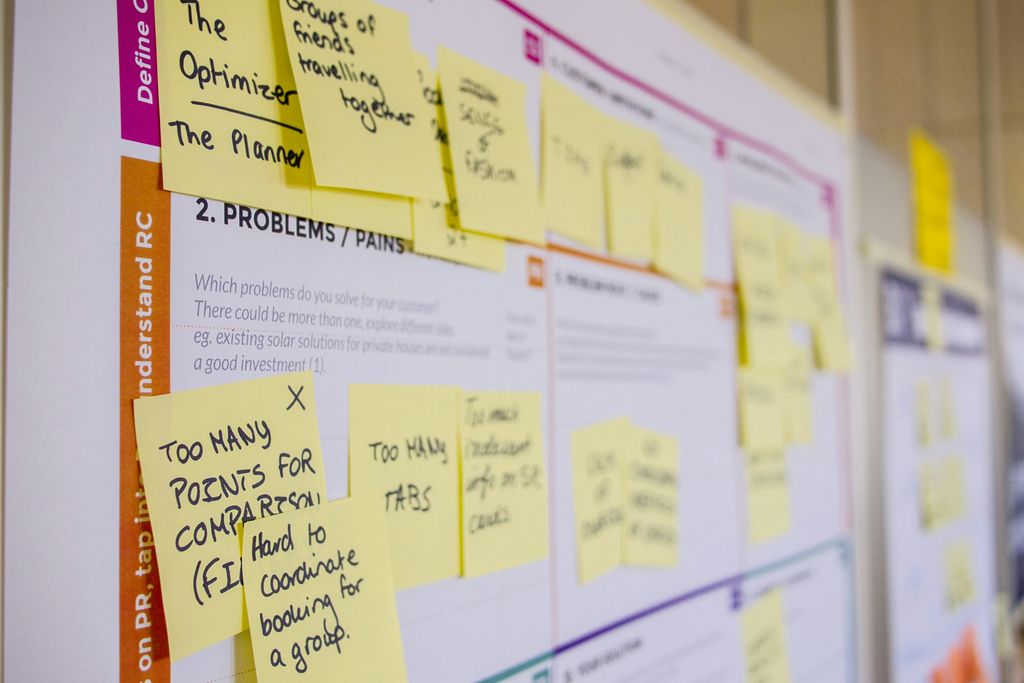
This is the phase most founders rush, and it is the one that causes the most delays later. Discovery involves defining the scope clearly, mapping out user flows, identifying technical requirements, and making foundational architecture decisions.
What happens during discovery:
Requirements gathering and stakeholder alignment
User story mapping and feature prioritization
Tech stack selection
Database and architecture planning
Project timeline and milestone setting
Skipping or shortcutting this phase leads to scope creep, miscommunication, and rework. Two or three weeks here can save four to six weeks later.
Phase 2: Design (2-4 Weeks)
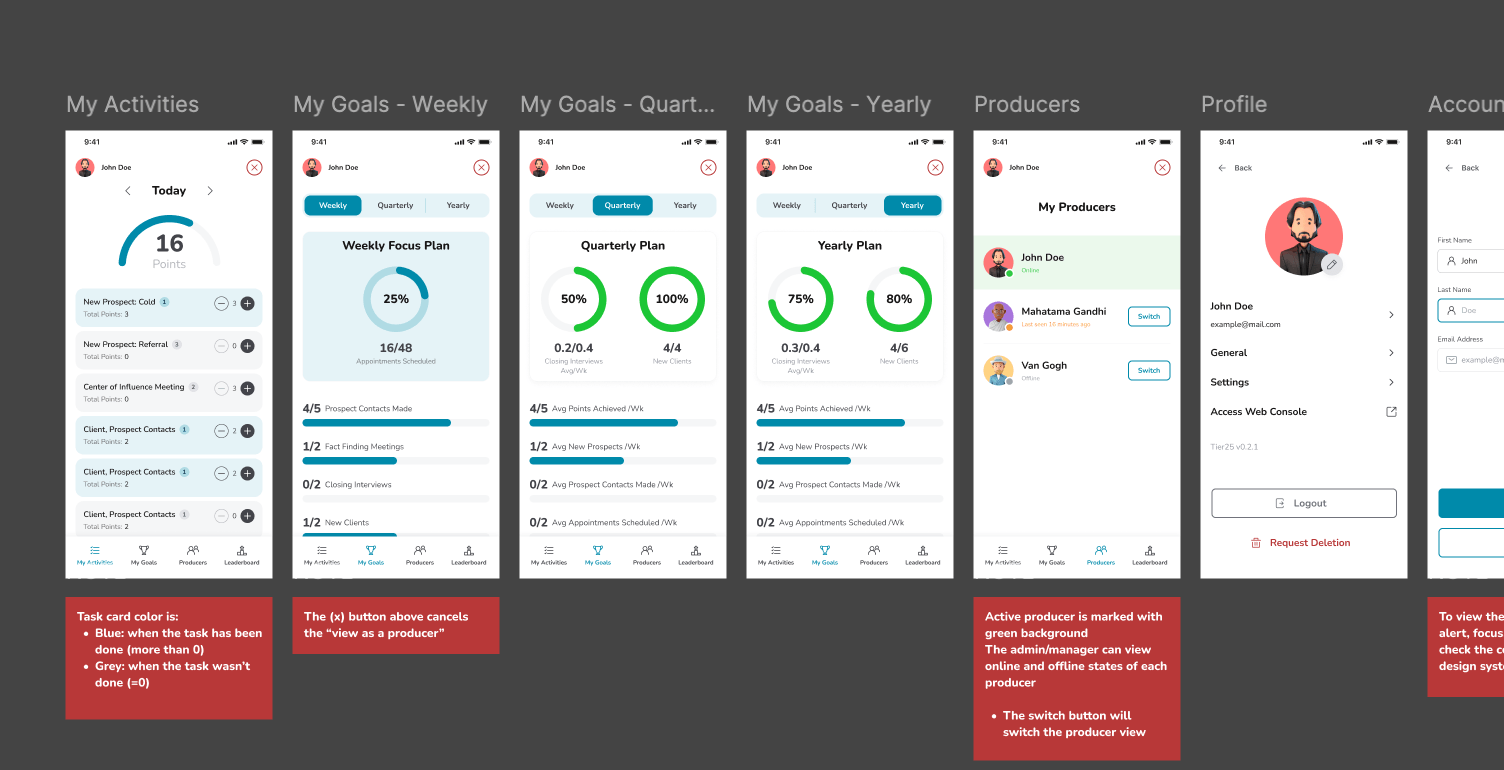
For a SaaS product, design is not just about making things look nice. It is about creating clear, intuitive flows that reduce friction for your users. This phase includes wireframing, UI design, and often a clickable prototype you can test before a single line of code is written.
Factors that affect design time:
Number of unique screens and user roles
Whether you are using a design system or building from scratch
How many revision rounds are needed
Complexity of the onboarding and dashboard experience
A clean, well-reviewed design handed off to developers will significantly speed up the build phase.
Phase 3: Development (6-12 Weeks)
This is where the bulk of the time goes. Development typically breaks into frontend (what users see), backend (servers, databases, business logic), and integrations (payment processors, third-party APIs, authentication systems).
A simple MVP with one user role, basic CRUD functionality, and a subscription model might take six to eight weeks. A more complex product with multiple user types, custom workflows, and several integrations could push twelve weeks or beyond.
Common things that extend development timelines:
Unclear or frequently changing requirements
Complex third-party API integrations
Custom authentication and permission systems
Real-time features like notifications or live data
Payment and billing logic
Working with an experienced development team that asks the right questions upfront will keep this phase on track.
Phase 4: Testing and QA (1-3 Weeks)
Quality assurance (QA) is not optional, even for an MVP. Bugs that reach your first users can permanently damage trust in your product. Testing includes functional testing, user acceptance testing, performance checks, and security reviews.
The length of this phase depends on how much automated testing was built into the development process. Teams that write tests as they build tend to have shorter QA cycles.
Phase 5: Launch Prep and Deployment (1-2 Weeks)
Before you go live, there is infrastructure to configure, production environments to set up, and often app store submissions or domain configurations to manage. If you are building a web app, this phase is typically faster. Mobile apps that go through App Store or Google Play review can add one to two weeks.
This phase also includes setting up monitoring, error logging, and support channels so you are ready to respond when real users start engaging.
What Makes Some MVPs Take Longer Than Others?
Two founders can have products that sound similar on paper but end up with very different timelines. Here are the biggest variables:
Scope clarity: The more defined your requirements are on day one, the faster everything moves.
Decision-making speed: Delays in feedback or approvals on the founder's side slow development significantly.
Team experience: Senior developers and designers who have built SaaS products before move faster and make fewer costly mistakes.
Technical complexity: Features like AI functionality, real-time collaboration, or complex permission structures take longer by nature.
Change frequency: Every time the scope changes mid-build, the team loses time to re-plan, re-design, or re-code.
How to Move Faster Without Cutting Corners
There is a difference between moving fast and moving recklessly. Here are strategies that genuinely accelerate timelines without compromising quality:
Define your MVP scope ruthlessly. Separate must-haves from nice-to-haves before development starts.
Use proven technology. Building on established frameworks and services reduces custom work and risk.
Leverage existing integrations. Tools like Stripe for payments, Auth0 for authentication, and Twilio for messaging can save weeks of development.
Stay available. Quick feedback loops between founders and developers are one of the most underrated accelerators.
Trust your development partner. Micromanaging technical decisions creates bottlenecks. Hire people you trust and let them work.
Setting Realistic Expectations Before You Start
One of the most common frustrations in software development comes from misaligned expectations. If a vendor quotes you four weeks for a full SaaS MVP, that is a red flag, not a deal. Likewise, if you are planning a launch date without any buffer for testing and iteration, you are likely setting yourself up for stress.
A realistic SaaS MVP timeline for most products falls between 10 and 16 weeks from discovery to launch. Simpler products with a narrow feature set and clear requirements can hit the lower end. Products with more complexity, integrations, or user roles will land closer to the higher end.
Budgeting both time and money with a reasonable buffer (typically 15 to 20 percent) is a sign of a well-run project, not poor planning.
Ready to Build Your SaaS MVP?
Understanding the timeline is a great first step, but every product is different. The most valuable thing you can do before committing to a development partner is have a real conversation about your specific idea, goals, and constraints.
At NextGen Software, based in Boca Raton, FL, we specialize in helping startups and growing businesses build web apps, mobile apps, SaaS products, and AI-powered tools that are designed to scale. We take discovery seriously, we communicate clearly, and we build products founders are proud to launch.
If you are ready to get a real estimate for your project, visit nextgensoftware.us and schedule a free discovery call. We will help you map out a timeline that is honest, realistic, and built around what your product actually needs.