What Is Vibe Coding? A Plain-English Guide for Business Leaders
If you've been in any conversation about software development lately, there's a good chance someone has dropped the term vibe coding. It sounds casual - maybe even a little silly - but the concept behind it is reshaping how software gets built, and it has real implications for business owners who are thinking about building a product or automating a process.
This guide breaks it down in plain English. No computer science degree required.
So, What Exactly Is Vibe Coding?
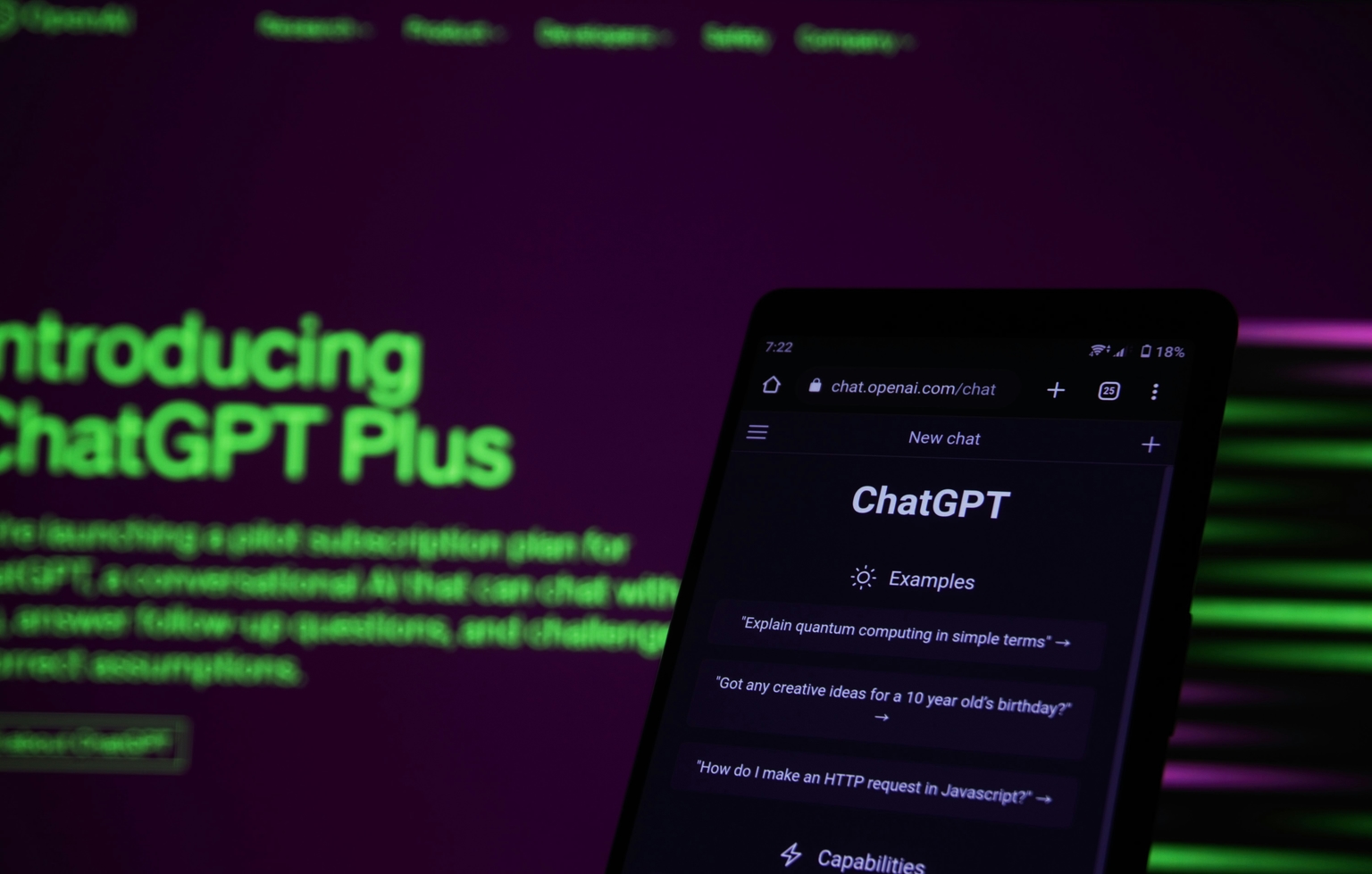
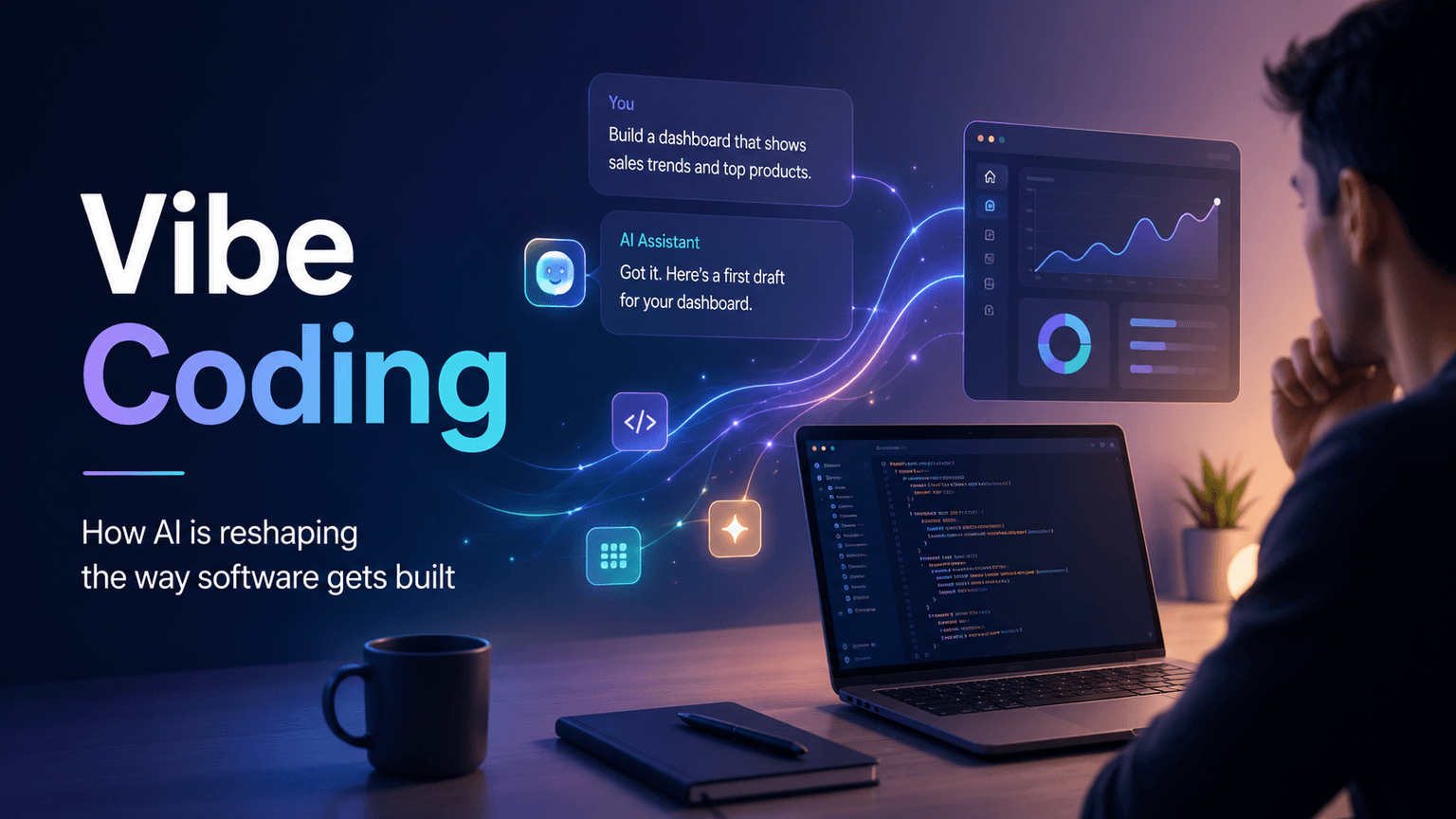
Vibe coding is a term coined in early 2025 by AI researcher Andrej Karpathy to describe a new style of software development where a person uses AI tools - like ChatGPT, Claude, or GitHub Copilot - to generate code by describing what they want in plain language, rather than writing every line of code manually.
In other words: instead of a developer typing out hundreds of lines of programming syntax, they tell an AI what they need in conversational terms, and the AI writes the code. The developer's job shifts from writing the code to directing, reviewing, and refining it.
The name comes from the idea that you're essentially "going with the vibe" - describing the feeling or intent of what you want to build, and letting the AI fill in the technical details.
How Is This Different from Traditional Software Development?
Traditional software development is a highly structured process. A developer learns a programming language (like Python, JavaScript, or Swift), understands its rules deeply, and manually writes every instruction a computer needs to perform a task. It's powerful but time-intensive and requires significant expertise.
Vibe coding doesn't eliminate that expertise - but it does change how it's applied. Here's a simple way to think about it:
Traditional development:A chef who grows the ingredients, preps every component, and cooks the entire meal from scratch.
Vibe coding:A head chef who plans the menu, delegates prep work to skilled kitchen assistants, and focuses on quality control and creative direction.
The end result can be a great meal either way. The difference is in speed, process, and where human judgment is focused.
What Tools Are Involved?
Vibe coding typically relies on a new generation ofAI coding assistants, including:
GitHub Copilot- integrates directly into developer environments to suggest code in real time
Cursor- an AI-powered code editor designed for this style of development
Claude and ChatGPT- used to generate, explain, and debug code through conversation
Replit Agent- allows users to build simple apps through natural language prompts alone
Some of these tools are aimed at professional developers looking to move faster. Others are designed for people with little to no coding background who want to build basic tools on their own.
What Does This Mean for Business Owners?
This is where things get genuinely interesting for non-technical founders and decision-makers.
Vibe coding is accelerating the pace of software development in a meaningful way. Developers who use these tools effectively can prototype ideas faster, test concepts with less upfront investment, and iterate on feedback more quickly. For businesses that need custom software, this can translate into:
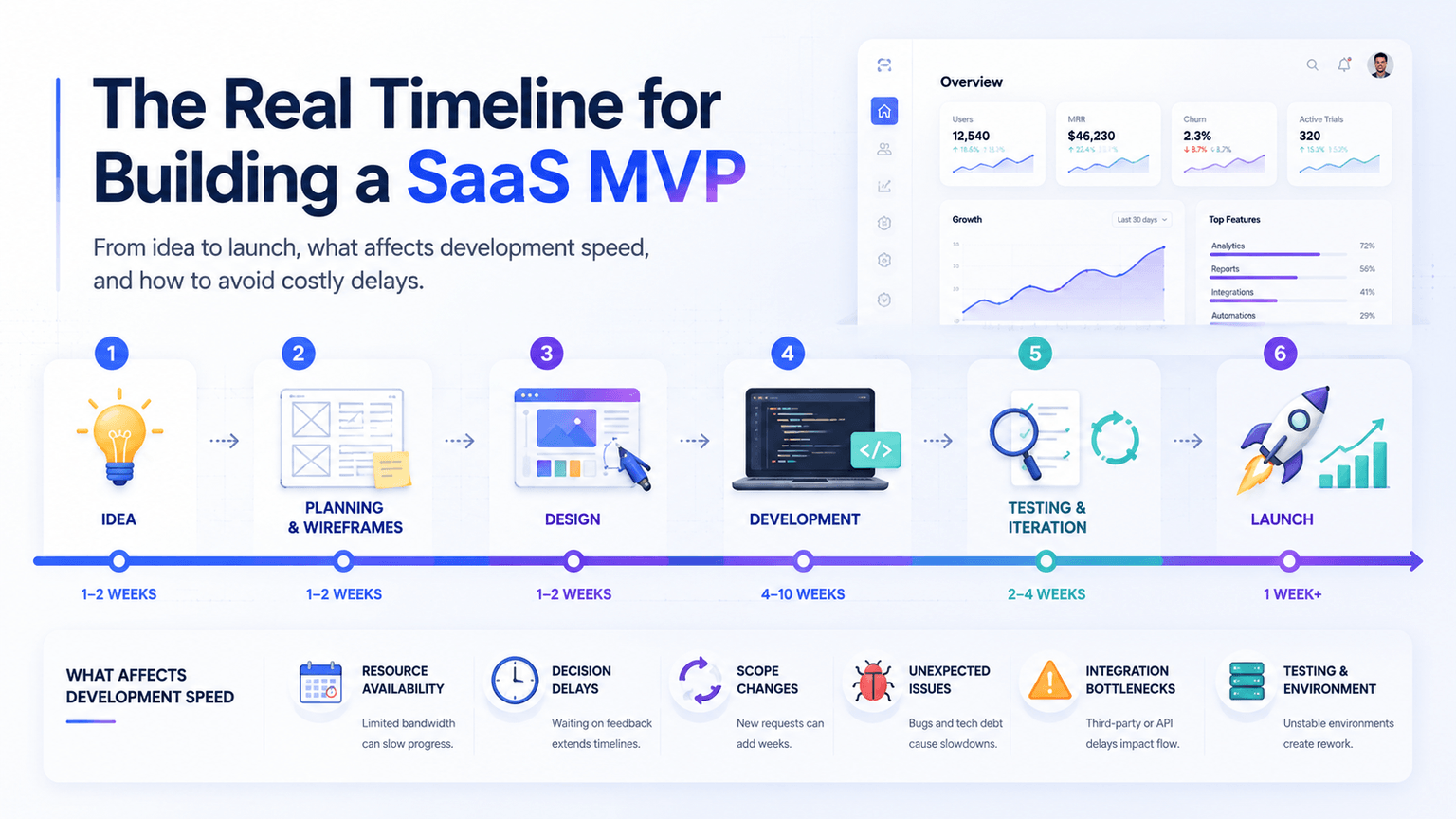
Shorter development timelines for initial prototypes and MVPs
Lower costs on certain types of repetitive or boilerplate development work
Faster experimentation- you can test an idea before committing to a full build
More accessible conversations between technical teams and business stakeholders
That last point matters more than it might seem. When developers can describe what they're building in plain terms - and when AI tools can bridge some of the communication gap - it becomes easier for business leaders to stay involved and aligned throughout the process.
What Vibe Coding Is NOT (And Why It Still Matters)
Here's where we need to pump the brakes on some of the hype.
Vibe coding is not a magic button that turns any idea into finished software overnight. And it's definitely not a replacement for professional software development when you're building something that actually needs to work reliably at scale.
There are real limitations to be aware of:
AI-generated code can contain bugs, security vulnerabilities, and inefficiencies that aren't obvious without expert review
Complex systems- like multi-sided platforms, financial applications, or HIPAA-compliant tools - require architectural thinking that goes far beyond what prompt-based AI tools can reliably provide
Maintenance and scalability become serious issues if the underlying code isn't well-structured from the start
No-code/AI-only tools often hit walls when your needs become more specific or your user base grows
Think of it this way: you might be able to use an AI tool to draft a legal contract, but you'd still want a lawyer to review it before signing anything important. The same logic applies to software that runs your business.
The value of vibe coding is in the hands of experienced developers who know how to use AI tools to accelerate their work while still applying professional judgment, security best practices, and long-term thinking.
Should You Be Using Vibe Coding in Your Business?
The honest answer: it depends on what you're trying to build and at what stage you're in.
If you're exploring an idea and want to create a rough prototype quickly, AI-assisted tools can be genuinely useful for getting a visual or functional proof of concept together fast.
If you're building something you plan to put in front of real users, process real transactions, or integrate with other systems - you need professional developers who can leverage these tools responsibly, not just anyone with a ChatGPT account.
Here are a few questions worth asking before you decide how to proceed:
How critical is this software to your operations or revenue? The higher the stakes, the more you need experienced oversight.
Do you need custom integrations, compliance features, or scalability? These require architectural expertise, not just code generation.
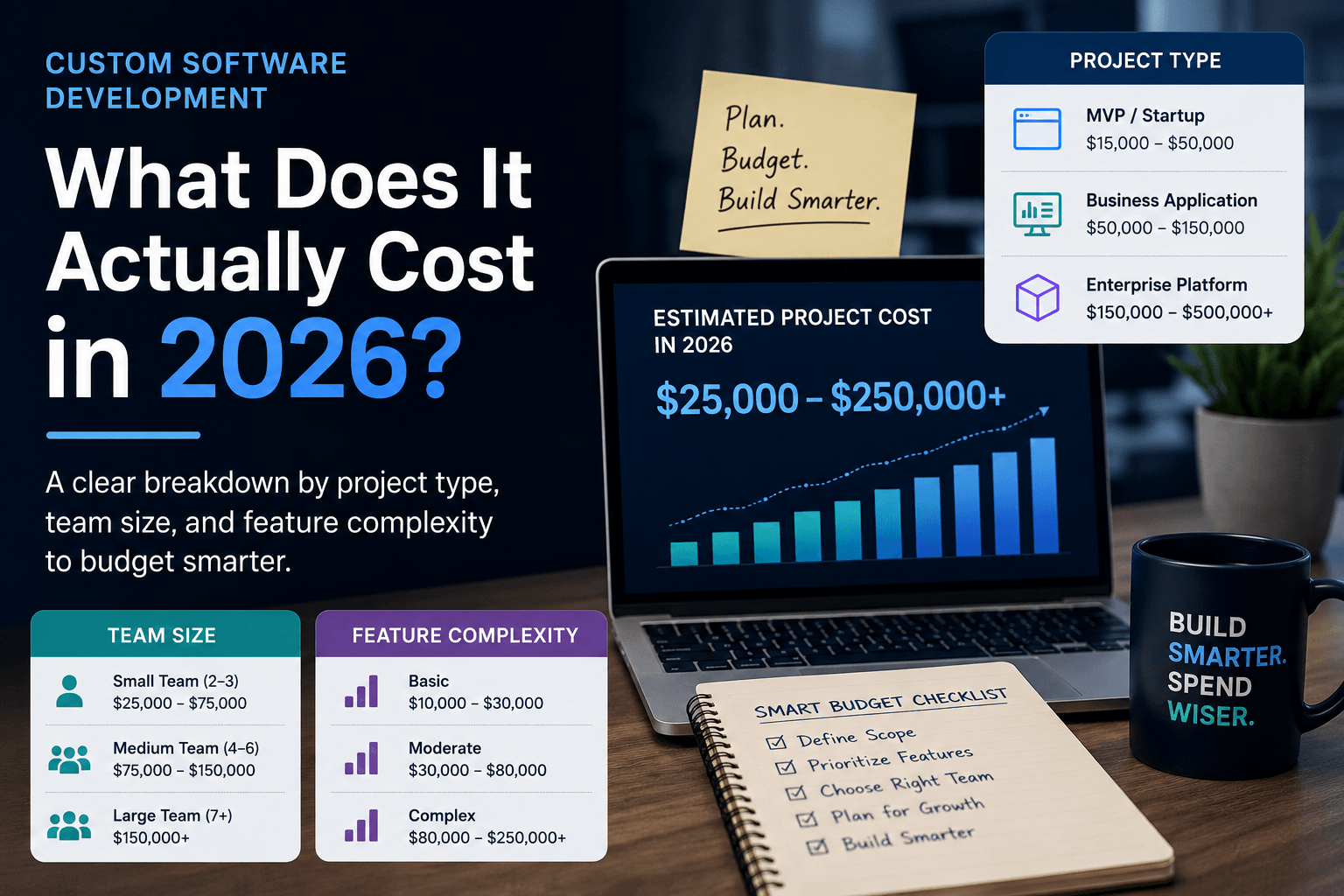
What's your timeline and budget? A skilled team using AI tools effectively can often deliver faster and more cost-efficiently than a team that ignores them.
The Bottom Line
Vibe coding represents a genuine shift in how software development works - not a gimmick, but not a revolution that makes expertise obsolete either. It's a powerful set of tools that, in the right hands, can help businesses move faster and build smarter.
For business leaders, the most important takeaway is this: AI-assisted development is raising the ceiling for what's possible, but the quality of what gets built still depends on the people building it.
At NextGen Software, based in Boca Raton, FL, our team stays current with the latest development approaches - including AI-assisted tools - to help startups and growing businesses build web apps, mobile apps, SaaS platforms, and automation solutions that are designed to scale. If you're exploring a software idea and want to understand what's realistic for your timeline and budget, we're happy to have that conversation. You can schedule a free discovery call at [nextgensoftware.us](https://nextgensoftware.us) - no pressure, just a straightforward look at what's possible.