How to Evaluate a Software Proposal Without Tech Skills
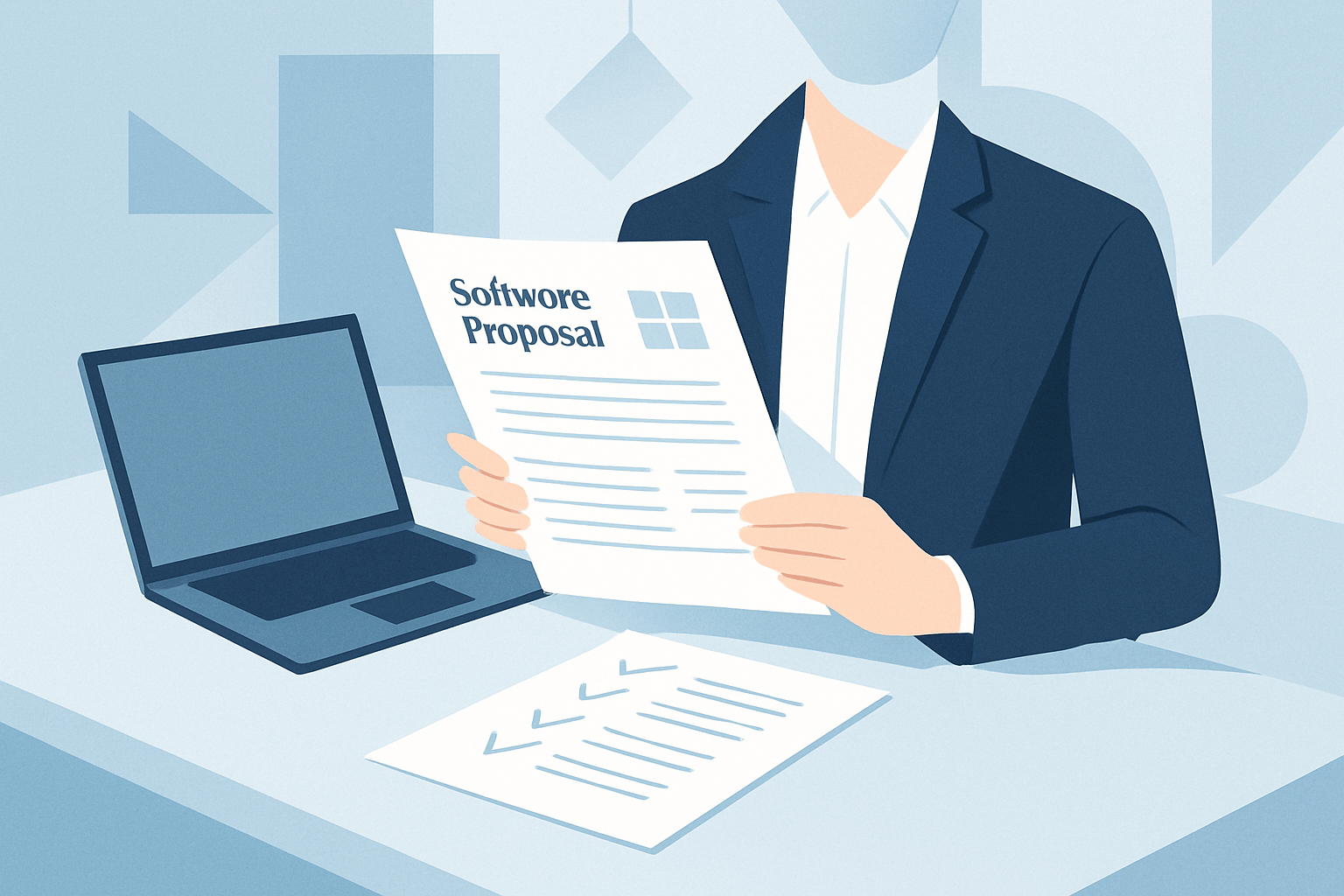
How to Evaluate a Software Proposal Without a Technical Background
Receiving a custom software proposal can feel overwhelming when you are not a developer. The document is filled with technical jargon, architecture diagrams, and pricing that is hard to contextualize. But here is the truth: you do not need to understand every line of code to make a smart, informed decision. You just need to know what to look for.
This guide breaks down exactly how to evaluate a software proposal with confidence, even if your background is in business, marketing, or operations rather than technology.
1. Start With the Problem Statement, Not the Solution
Before diving into features, timelines, or tech stacks, ask yourself one question: does this proposal clearly describe the problem it is solving for your business?
A strong proposal will open by restating your goals in plain language. The developer or agency should demonstrate that they listened during your initial conversations. If the document jumps straight into technical specifications without addressing your business objectives, that is a warning sign.
What to look for:
A clear summary of your business challenge or opportunity
Specific outcomes the software is designed to achieve (more leads, faster operations, reduced manual work)
Evidence that the vendor understands your industry or user base
If the proposal reads like a copy-paste template with your company name swapped in, move on.
2. Evaluate the Scope of Work Carefully
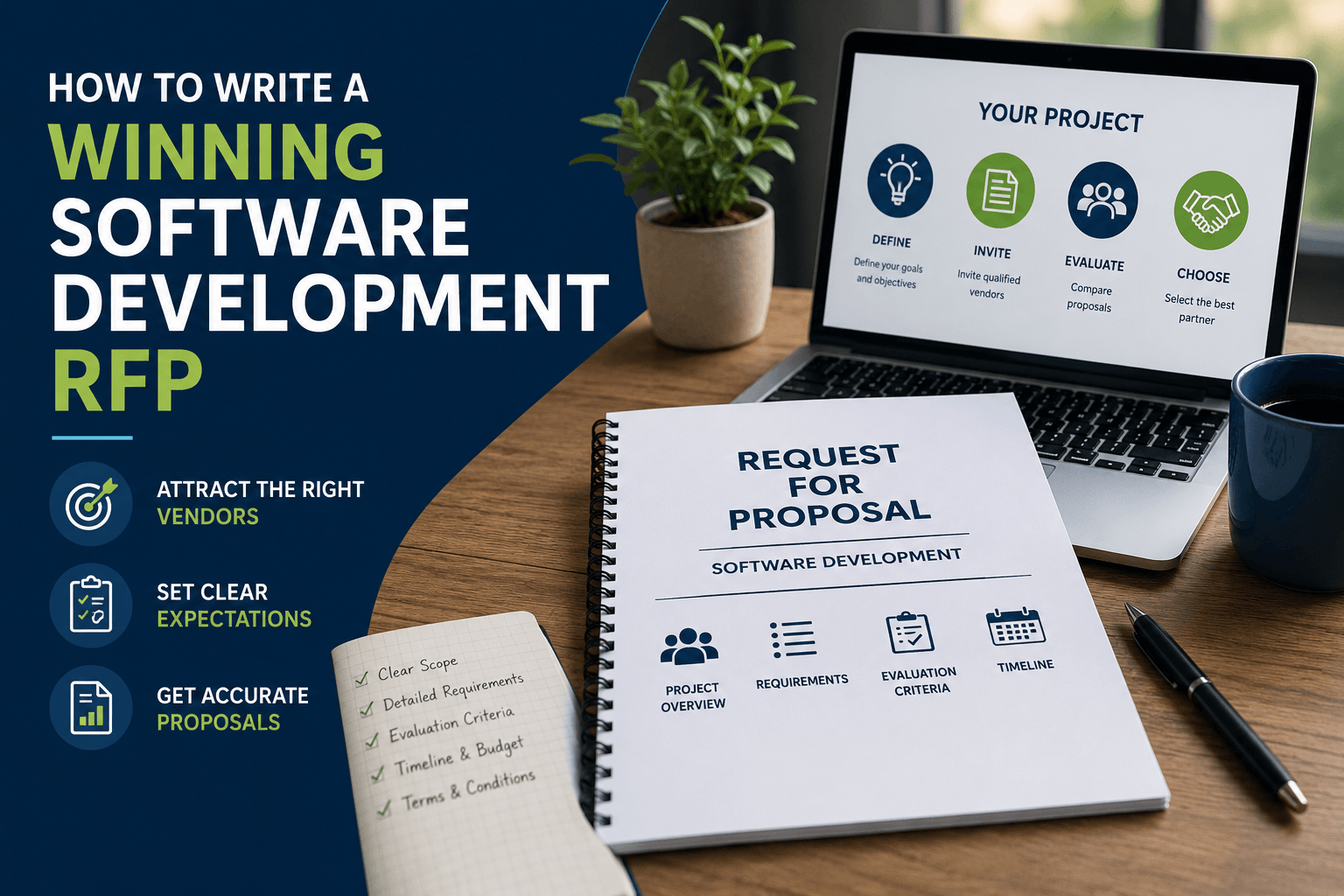
The scope of work is the heart of any software proposal. It outlines what will be built, what is excluded, and how the project will be delivered. Even without a technical background, you can review this section effectively.
Ask These Questions About the Scope
Are the features described in plain English, or only in technical terms?
Is there a clear list of deliverables for each phase of the project?
Does the scope mention what is NOT included? A good vendor sets boundaries upfront to avoid billing disputes later.
Are there user stories or use cases that describe how a real person will use the product?
Vague scope language like "develop a dashboard" or "build integrations as needed" is a red flag. You want specifics, such as "build an admin dashboard with user management, reporting filters, and CSV export functionality."
Tip: Ask the vendor to walk you through the scope on a call. If they cannot explain each deliverable in non-technical terms, that is a communication problem you will face throughout the project.
3. Scrutinize the Timeline and Milestones
A realistic timeline shows professionalism and experience. An overly optimistic timeline is often a sign that the vendor is eager to close the deal rather than deliver quality work.
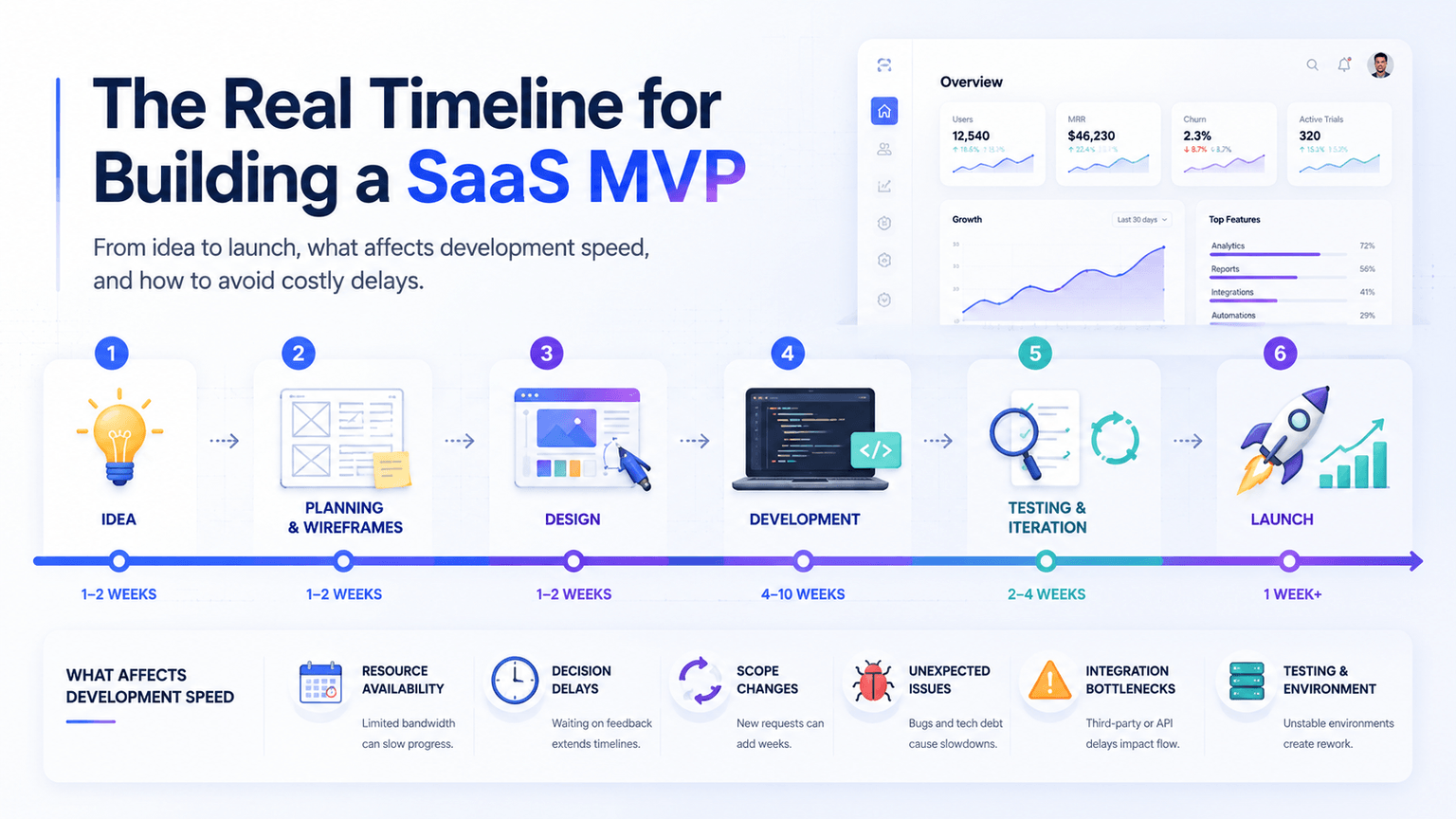
Healthy timelines typically include:
A discovery or planning phase (1-2 weeks)
Design and prototyping before development begins
Development broken into sprints or phases
Testing and quality assurance built into the schedule, not added as an afterthought
A launch window with buffer time for revisions
Be cautious of proposals that promise a complex web or mobile app in four to six weeks with no mention of design or testing. Rushed projects almost always lead to cost overruns and poor results.
Also, ask who is responsible for each milestone. Will you have a dedicated project manager? How often will you receive progress updates?
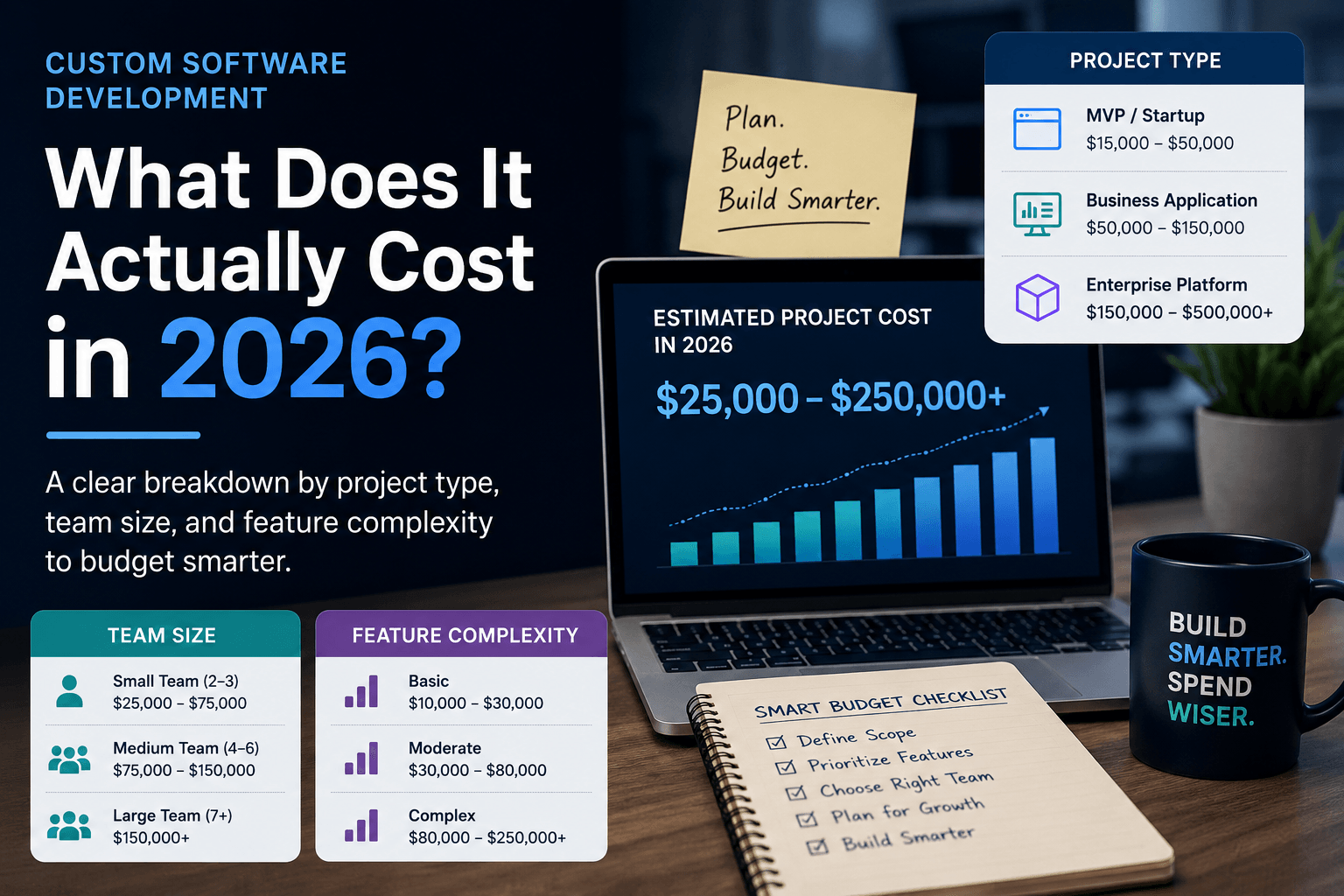
4. Understand the Pricing Model
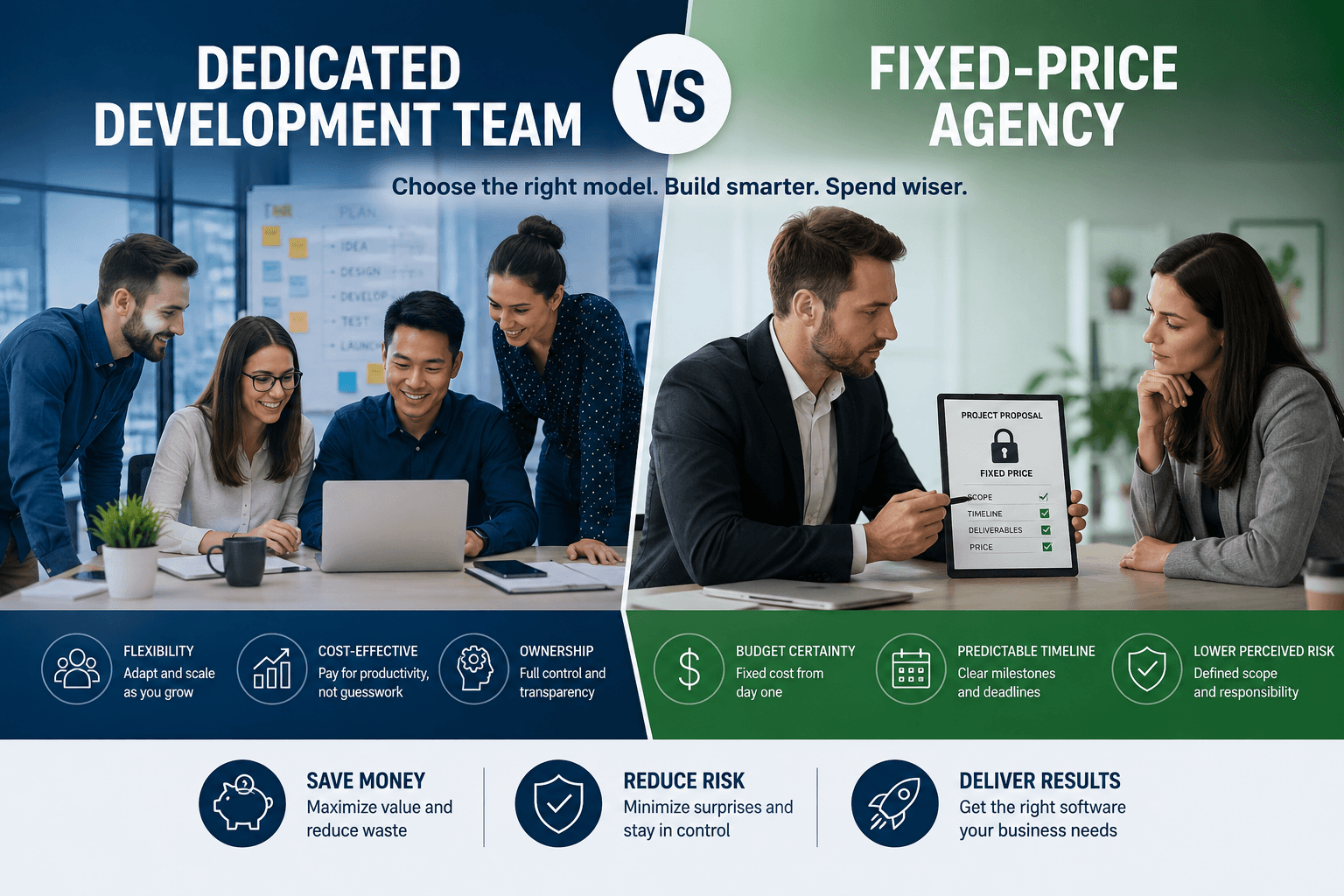
Software development proposals typically use one of two pricing structures: fixed-price or time-and-materials (T&M).
Fixed-Price Projects
You agree on a set cost for a defined scope. This works well when requirements are clear and unlikely to change. The risk is that any scope changes may result in additional fees, sometimes called change orders.
Time-and-Materials Projects
You pay for the actual hours worked. This model offers flexibility for evolving requirements but requires trust and clear communication. Always ask for a budget cap or monthly estimate.
Questions to ask about pricing:
What is included in this price, and what triggers additional charges?
How are change orders handled and approved?
What are the payment terms? (Avoid paying 100% upfront)
Is ongoing maintenance or hosting included, or is that a separate cost?
A transparent vendor will welcome these questions. One that deflects or gives vague answers is a risk.
5. Look for Red Flags in the Fine Print
Even non-technical readers can spot problematic contract language if they know what to look for.
Common red flags to watch for:
No mention of intellectual property ownership: You should own the code and all assets when the project is complete. If the contract is silent on this, ask directly.
No warranty or bug-fix period: Reputable vendors include at least 30 to 90 days of post-launch support for defects.
Vague acceptance criteria: If there is no definition of "done," disputes are almost inevitable.
No communication plan: How will you track progress? Weekly calls, a project management tool, and written status reports are reasonable expectations.
Outsourcing without disclosure: Some agencies subcontract work overseas without telling clients. Ask directly who will be building your product and where they are located.
6. Assess the Vendor's Track Record and Fit
Technical skill matters, but so does cultural fit and communication style. You will be working closely with this team for weeks or months.
Evaluate the vendor by asking for:
Case studies or portfolio examples relevant to your industry or project type
References from past clients you can contact directly
Their process for handling problems when things do not go according to plan
Who your day-to-day point of contact will be
Pay attention to how responsive and clear they are during the proposal stage. If emails go unanswered for days before you have even signed a contract, that behavior will likely continue during the project.
Also consider asking: "What is a mistake you made on a past project and how did you handle it?" An honest answer builds more confidence than a polished sales pitch.
Making Your Final Decision
Once you have reviewed multiple proposals, create a simple comparison matrix. Score each vendor on clarity of scope, realistic timeline, transparent pricing, communication style, and portfolio strength. This removes emotion from the decision and surfaces the most qualified partner.
Remember, the cheapest proposal is rarely the best value. A vendor that under-bids often compensates through scope creep, slow delivery, or poor quality. Similarly, the most expensive option is not automatically the safest bet. Look for the team that communicates clearly, asks smart questions, and treats your business goals as their own.
If you are currently evaluating proposals for a web app, mobile app, SaaS product, or AI automation project, the team at NextGen Software in Boca Raton, FL is happy to help you think it through. We work with startups and growing businesses to build custom software that solves real problems, and we make it a priority to communicate in plain language every step of the way. Visit nextgensoftware.us to schedule a free discovery call and get an honest second opinion on any proposal you are reviewing.