Multi-Tenant Architecture Explained for Non-Technical Founders
What Is Multi-Tenant Architecture, and Why Should You Care?
If you are building a SaaS product or evaluating custom software development, you will almost certainly hear the term multi-tenant architecture at some point. It sounds technical, but the core idea is straightforward, and understanding it can save you a significant amount of money and headaches down the road.
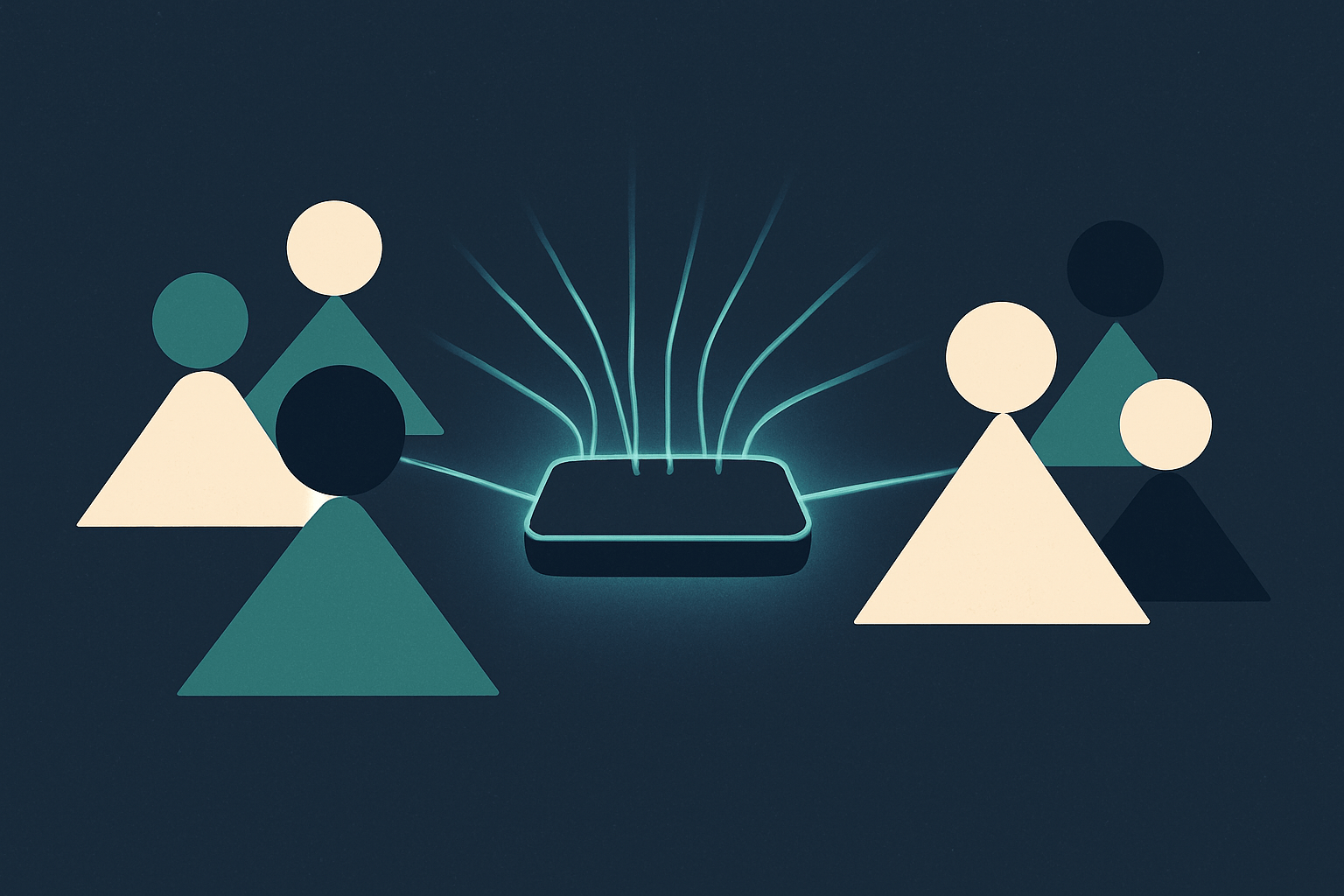
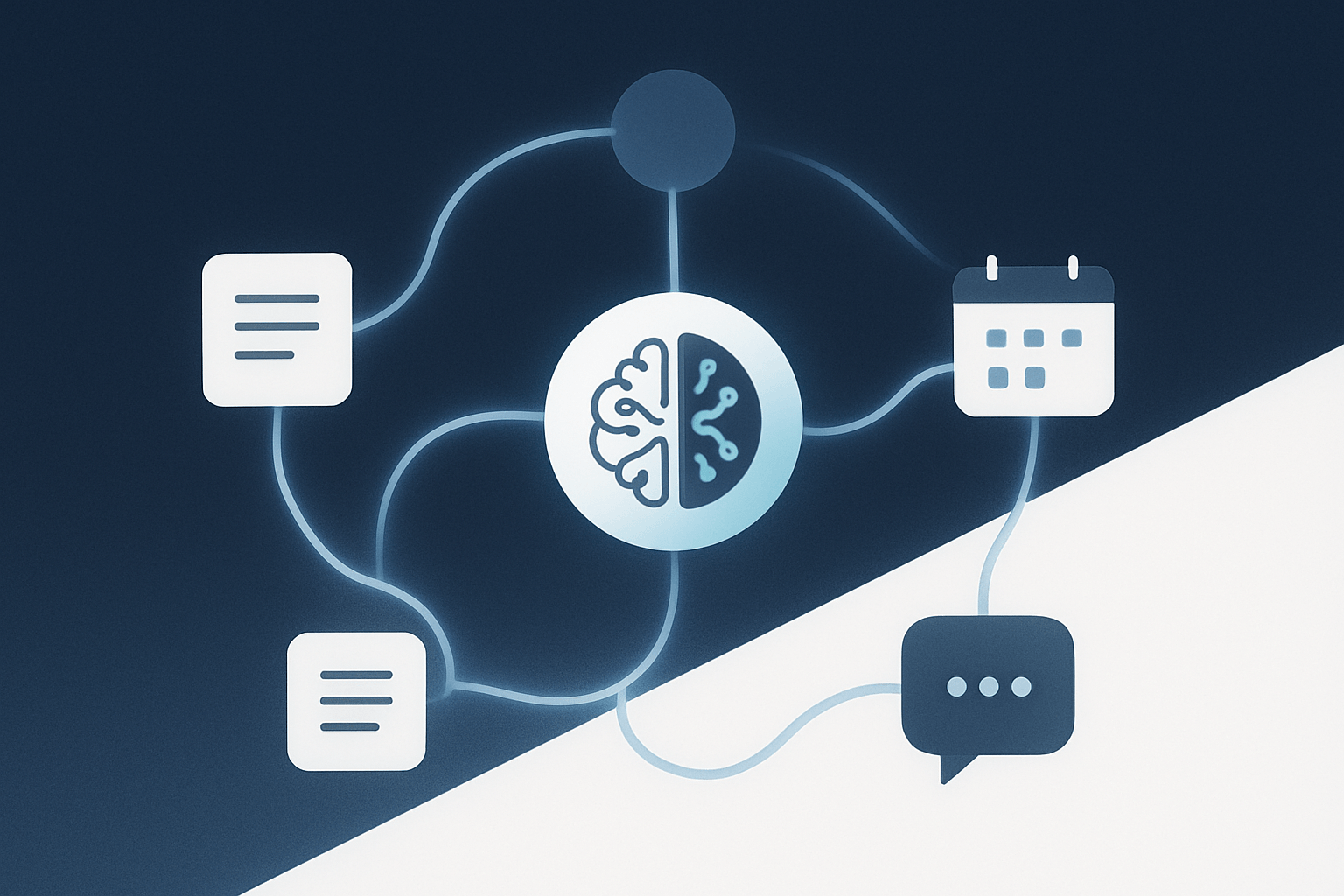
In the simplest terms, a multi-tenant system is one where a single application and its underlying infrastructure serve multiple customers, called tenants, at the same time. Each customer gets their own secure, isolated experience, but they are all running on the same shared codebase and, in most cases, the same database infrastructure.
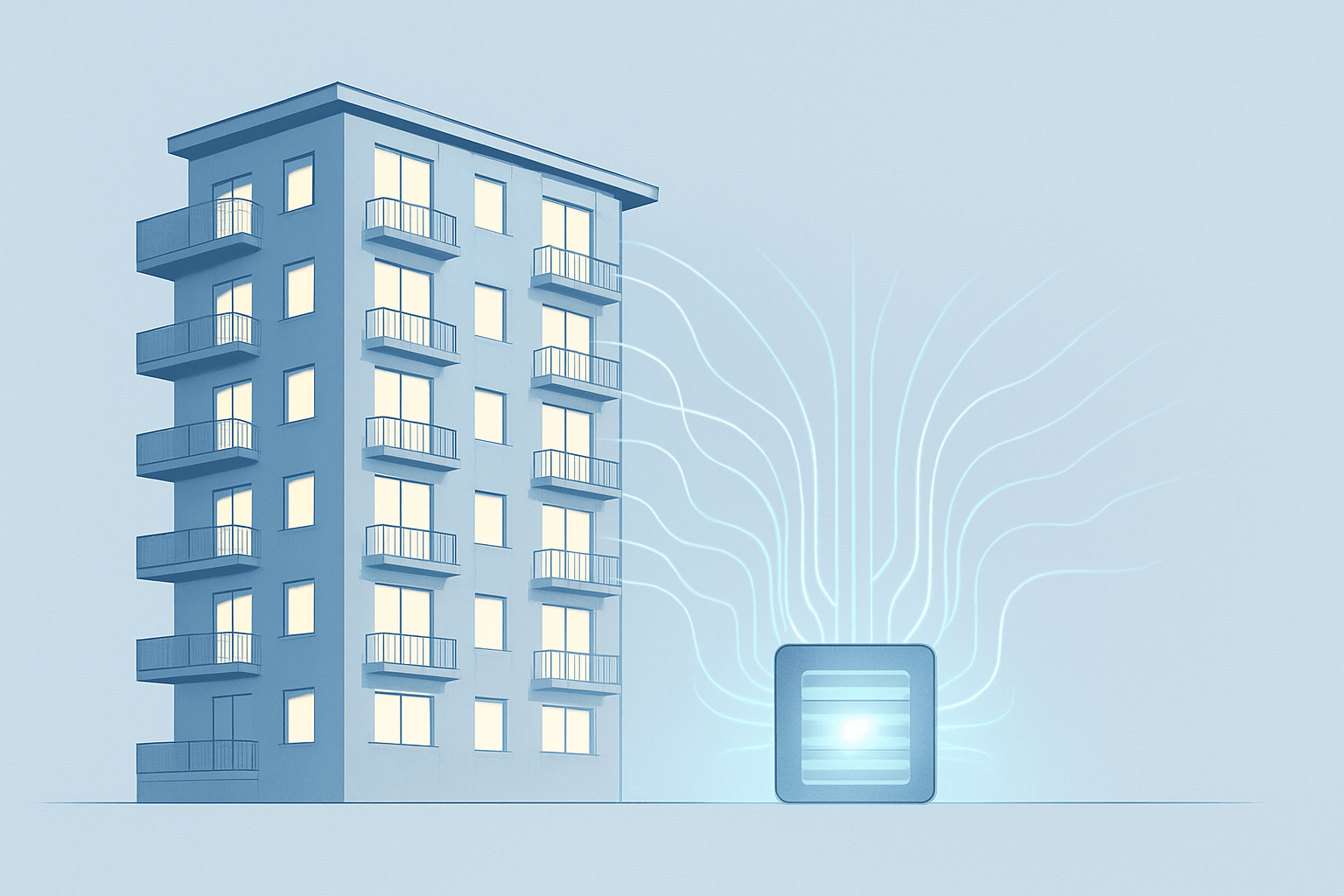
Think of it like an apartment building. Every tenant has their own locked unit with private belongings, but they share the same building, plumbing, and electrical systems. Compare that to a single-family home, where one household has everything to themselves. Both work, but they serve very different needs and come with very different costs.
Multi-Tenant vs. Single-Tenant: The Key Difference
Before going further, it helps to contrast the two main approaches:
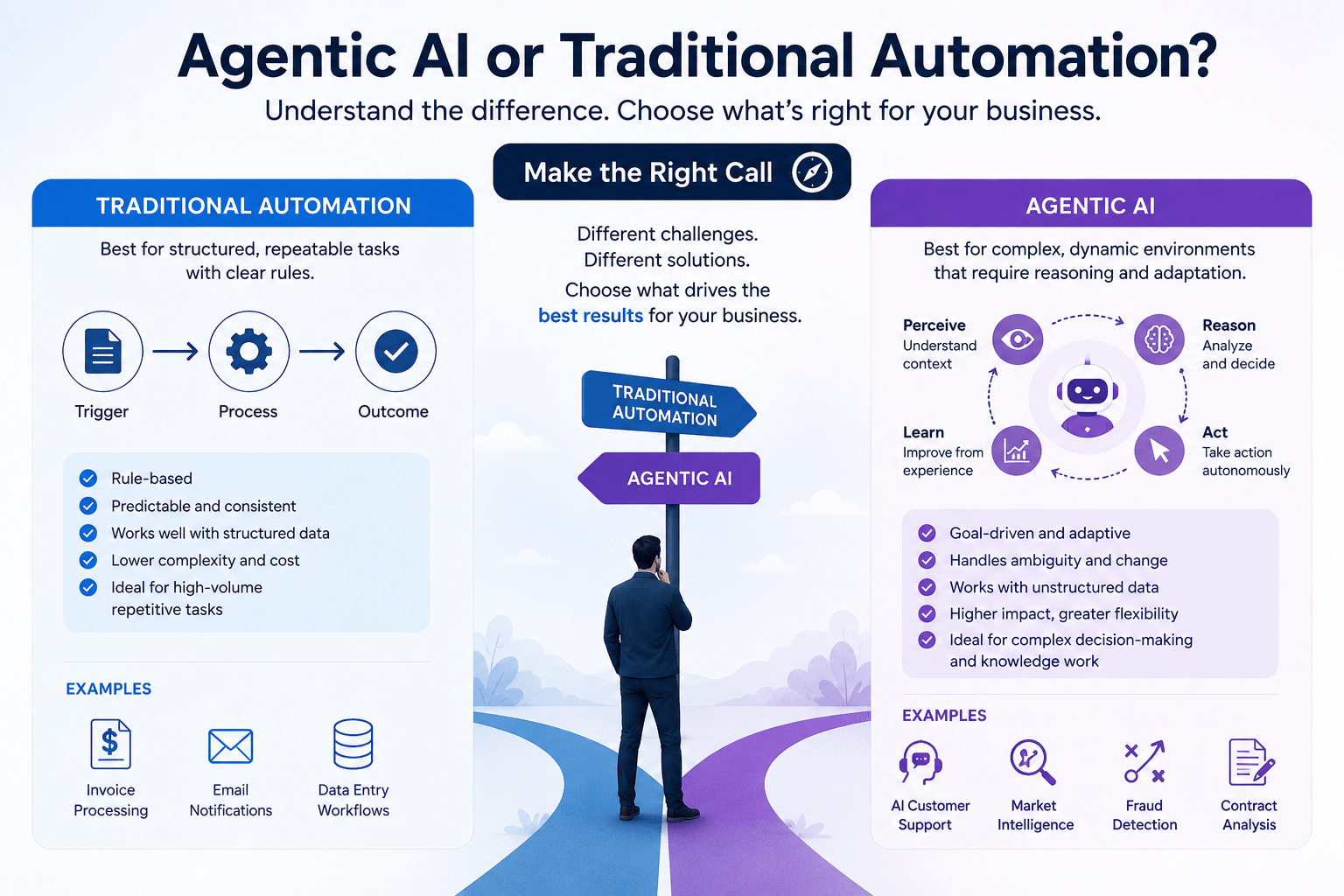
Single-tenant architecture means each customer gets their own dedicated instance of the application and database. It is more isolated, but also more expensive to host and maintain.
Multi-tenant architecture means all customers share one application instance, with data kept separate through logic built into the software itself.
For most SaaS founders, multi-tenancy is the default choice because it dramatically reduces the cost and complexity of scaling. However, there are real situations where single-tenant setups make more sense, which we will cover below.
The Main Benefits of Multi-Tenant Architecture
If you are building a product that will serve dozens, hundreds, or thousands of business customers, multi-tenancy offers several major advantages:
1. Lower Infrastructure Costs
Running one shared environment is far cheaper than spinning up a separate server and database for every new customer. As your user base grows, your infrastructure costs scale gradually rather than multiplying with each new account.
2. Easier Updates and Maintenance
When you push a bug fix or a new feature, it goes live for all of your customers at once. You do not need to deploy the same update to fifty separate environments. This keeps your development team focused on building rather than managing deployments.
3. Faster Onboarding
Adding a new customer is typically a matter of creating a new account record in the database. There is no need to provision new servers, configure environments, or wait on infrastructure setup. Customers can be up and running in minutes.
4. Scalability Without Rebuilding
A well-designed multi-tenant system can grow with your business. You can optimize performance, add capacity, and expand features without rearchitecting your entire platform each time you hit a growth milestone.
What Are the Tradeoffs?
Multi-tenancy is not a free lunch. There are real challenges your development team needs to plan for carefully:
Data isolation: If the application is not built correctly, one tenant could accidentally access another tenant's data. This is a serious security risk that requires thoughtful database design and rigorous testing.
Customization limits: Since all tenants share the same codebase, it can be harder to offer deep customizations for individual customers without introducing complexity.
Performance isolation: A single large customer using a lot of resources can sometimes affect performance for others, a problem sometimes called the "noisy neighbor" effect. Good architecture and database strategies can reduce this risk.
Compliance requirements: Some industries, such as healthcare or defense, require strict data separation. These customers may demand a single-tenant setup regardless of cost.
None of these tradeoffs are dealbreakers, but they all require intentional planning during the design phase. This is exactly why the architecture decisions made before a single line of code is written matter so much.
Three Common Multi-Tenancy Models
Not all multi-tenant systems are built the same way. Developers generally choose from three approaches when designing the database layer:
Shared Database, Shared Schema
All tenants share the same database tables. A column in each table, typically called a tenant ID, identifies which customer each row belongs to. This is the most cost-efficient model but requires the most careful security implementation.
Shared Database, Separate Schemas
All tenants live in the same database, but each gets their own set of tables. This offers better isolation than the shared schema model and is a popular middle-ground choice for many SaaS products.
Separate Databases per Tenant
Each customer gets their own database, but they all run on shared application servers. This is sometimes called a hybrid model. It offers strong data isolation and is a good fit for customers with compliance requirements, though it comes with higher infrastructure costs than a fully shared approach.
Choosing the right model depends on your industry, your customer size, your compliance needs, and your budget. There is no single correct answer.
When Should You Choose Single-Tenant Instead?
There are legitimate reasons to go single-tenant, and a good software partner will be honest with you about when that is the right call:
Your customers are large enterprises with strict data residency or compliance requirements.
You are building a white-label product where each client needs a completely separate branded environment.
Your customers require extreme customization that would be difficult to manage in a shared codebase.
Security audits from enterprise buyers specifically require dedicated infrastructure.
In these cases, the higher cost of single-tenancy is often justified by the contract value and customer requirements.
Questions to Ask Before You Start Building
If you are in the planning phase of a SaaS product or platform, here are the questions worth discussing with your development team before any architecture decisions are locked in:
How many customers do we expect in the first year, and in three years?
Do any of our target customers have specific compliance or data residency requirements?
How much customization will individual customers need?
What is our monthly infrastructure budget as we scale?
The answers to these questions will point toward the right architecture for your specific situation.
Building the Right Foundation From Day One
Architecture decisions made early in a product's life are expensive to undo later. A multi-tenant system built correctly from the start will support your growth for years. One that is retrofitted onto a poorly designed foundation will create technical debt that slows your team down and increases your costs.
This is where working with an experienced development partner genuinely matters. At NextGen Software, based in Boca Raton, FL, we help startup founders and growing businesses make these decisions before writing a single line of code. Whether you are planning a SaaS platform, a marketplace, or a business tool with multiple clients, our team can walk you through your architecture options in plain language and help you build something that scales.
If you are evaluating your options and want a straightforward conversation about what your product actually needs, we invite you to schedule a free discovery call at nextgensoftware.us. No pressure, no jargon, just honest guidance to help you build smarter from the start.