When No-Code Tools Stop Being Enough: 5 Key Signs
The Promise of No-Code Tools (And Their Limits)
No-code and low-code platforms like Bubble, Zapier, Webflow, and Airtable have been genuine game-changers. They let entrepreneurs launch products fast, automate repetitive tasks, and test ideas without hiring a development team. For early-stage businesses, that kind of speed is invaluable.
But here is the reality: these tools are designed to work for the majority of users in the majority of situations. They are not designed to work perfectly for your business as it grows into something specific, complex, and competitive.
At some point, the flexibility that made no-code tools attractive starts to feel like a ceiling. And knowing when you have hit that ceiling can save you months of frustration, wasted budget, and lost revenue.
Here are five clear signs that it is time to invest in a custom software build.
Sign 1: Your Workflows Are Built Around the Tool Instead of Your Business
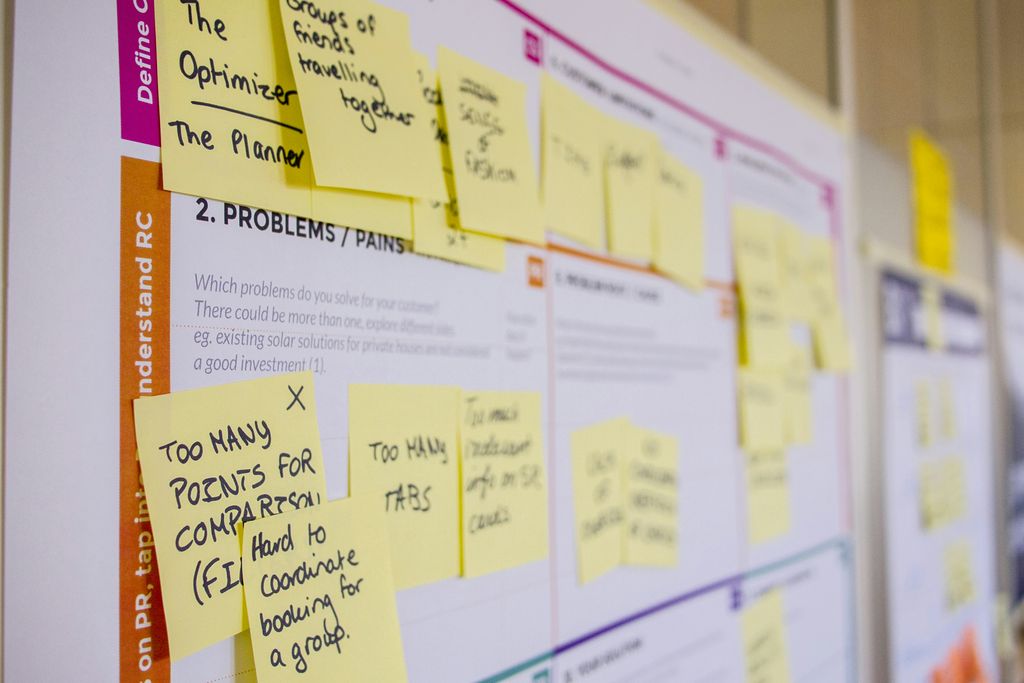
This is one of the most common and most overlooked problems. When you first adopt a no-code platform, you adapt your processes to fit what the tool can do. That feels like a reasonable tradeoff early on.
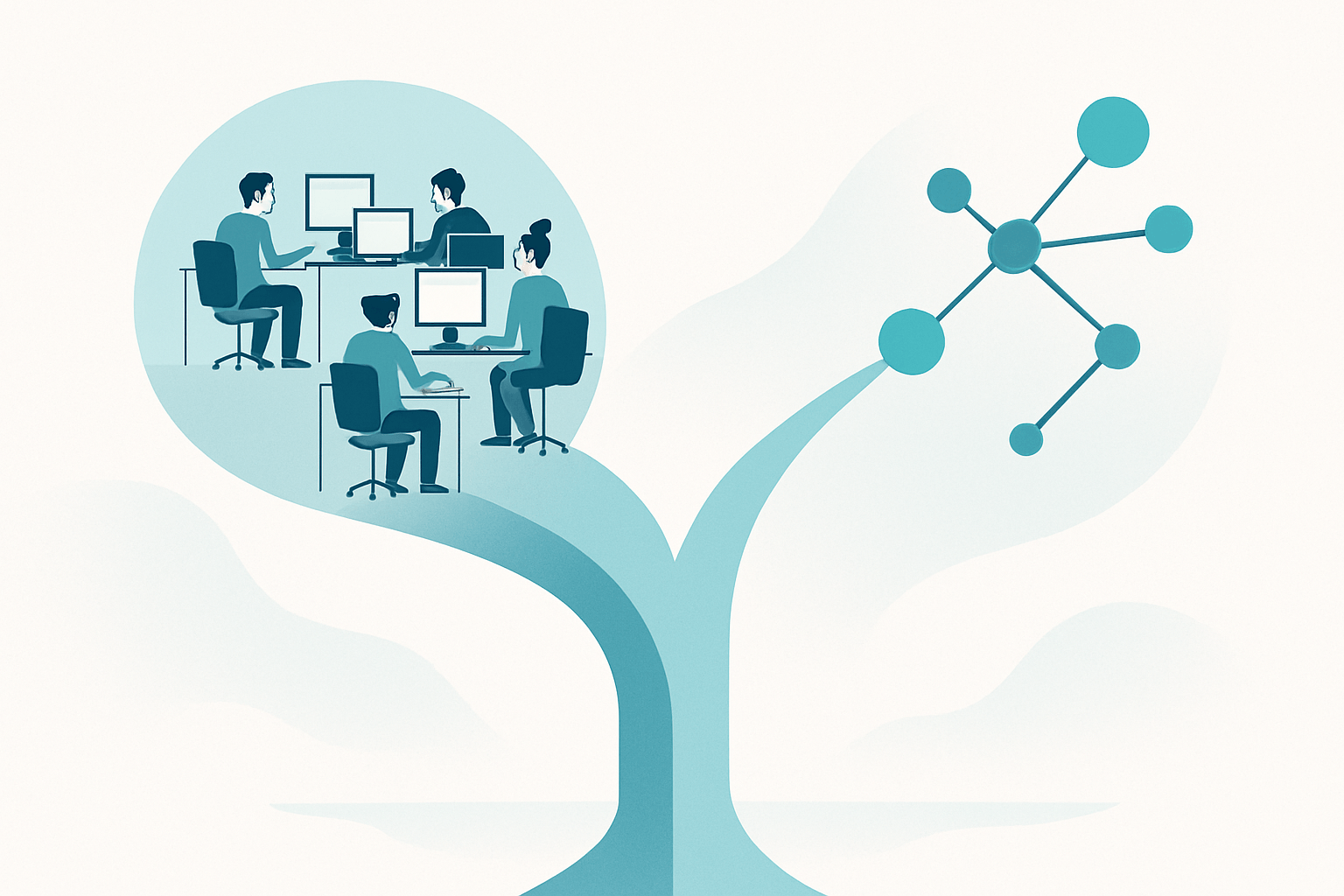
Over time, though, those workarounds compound. You find yourself training new employees on quirky, tool-specific processes. Your team spends hours each week manually moving data between platforms. Decisions get made based on what your software allows rather than what your business actually needs.
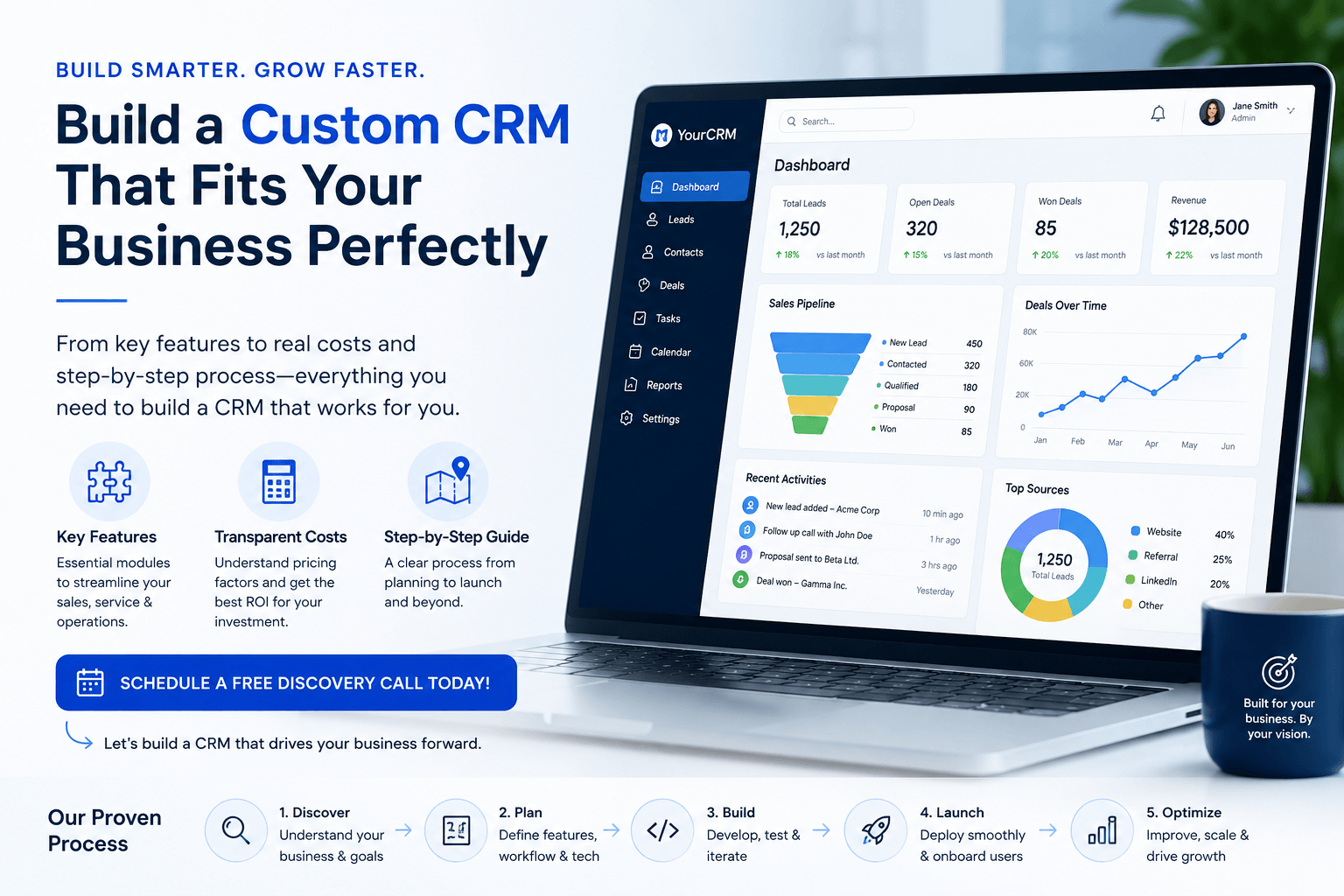
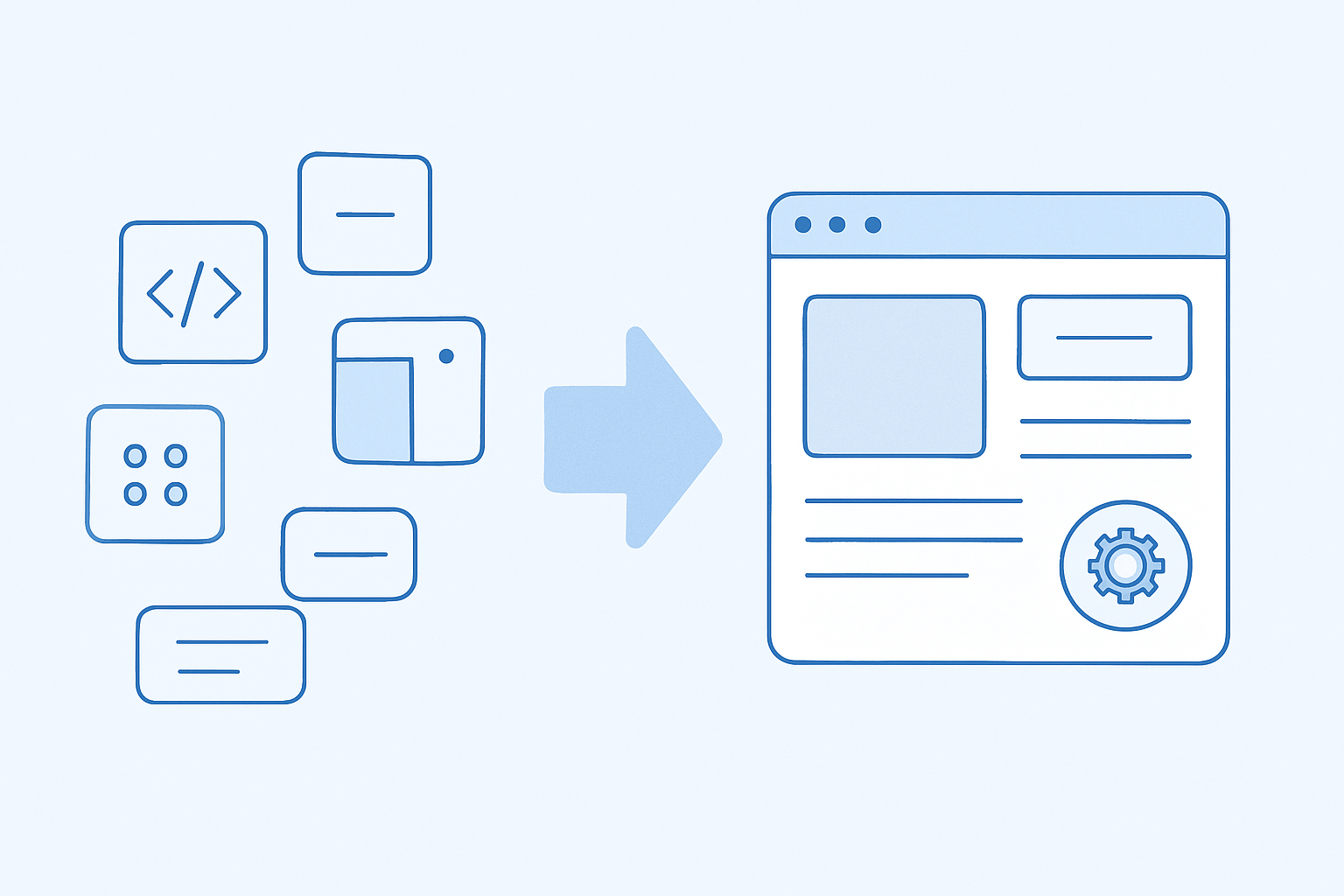
Custom software is built around your workflow, not the other way around. When your operations have enough nuance and complexity to justify it, a purpose-built solution pays for itself quickly by eliminating waste and confusion.
Sign 2: You Are Paying for Multiple Tools That Should Be One System
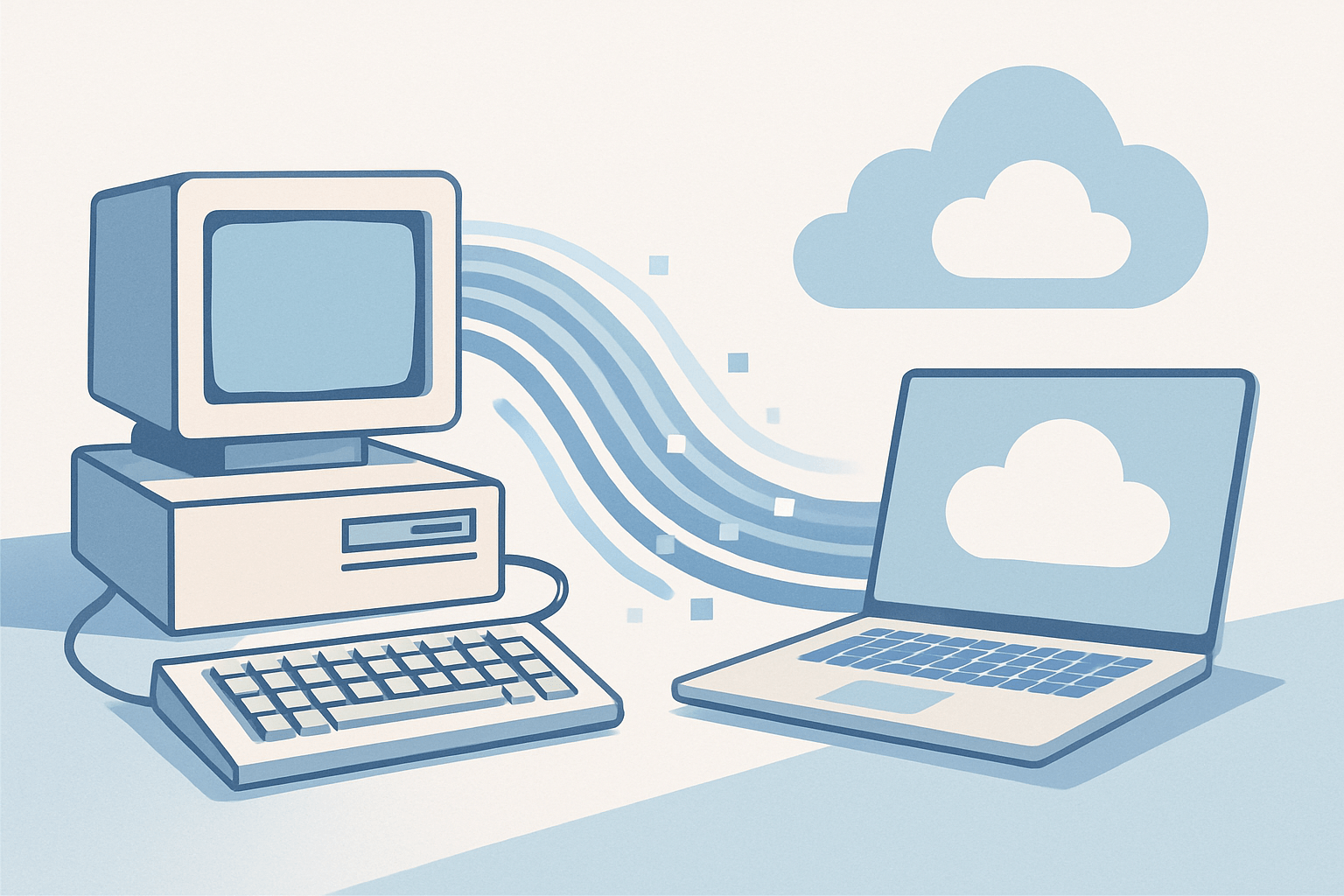
Count up your monthly subscriptions: your CRM, your project management tool, your invoicing software, your customer portal, your reporting dashboard. Now ask yourself how many of those are genuinely talking to each other versus requiring manual data entry or fragile Zapier chains to stay in sync.
For many growing businesses, the stack looks something like this:
A CRM that does not connect cleanly to billing
A client portal that lives separately from project tracking
Reports that have to be assembled manually from three different exports
API integrations that break every time one platform updates
This is not just a cost problem. It is a data integrity problem. When your business data lives in five disconnected places, you are making decisions based on incomplete information.
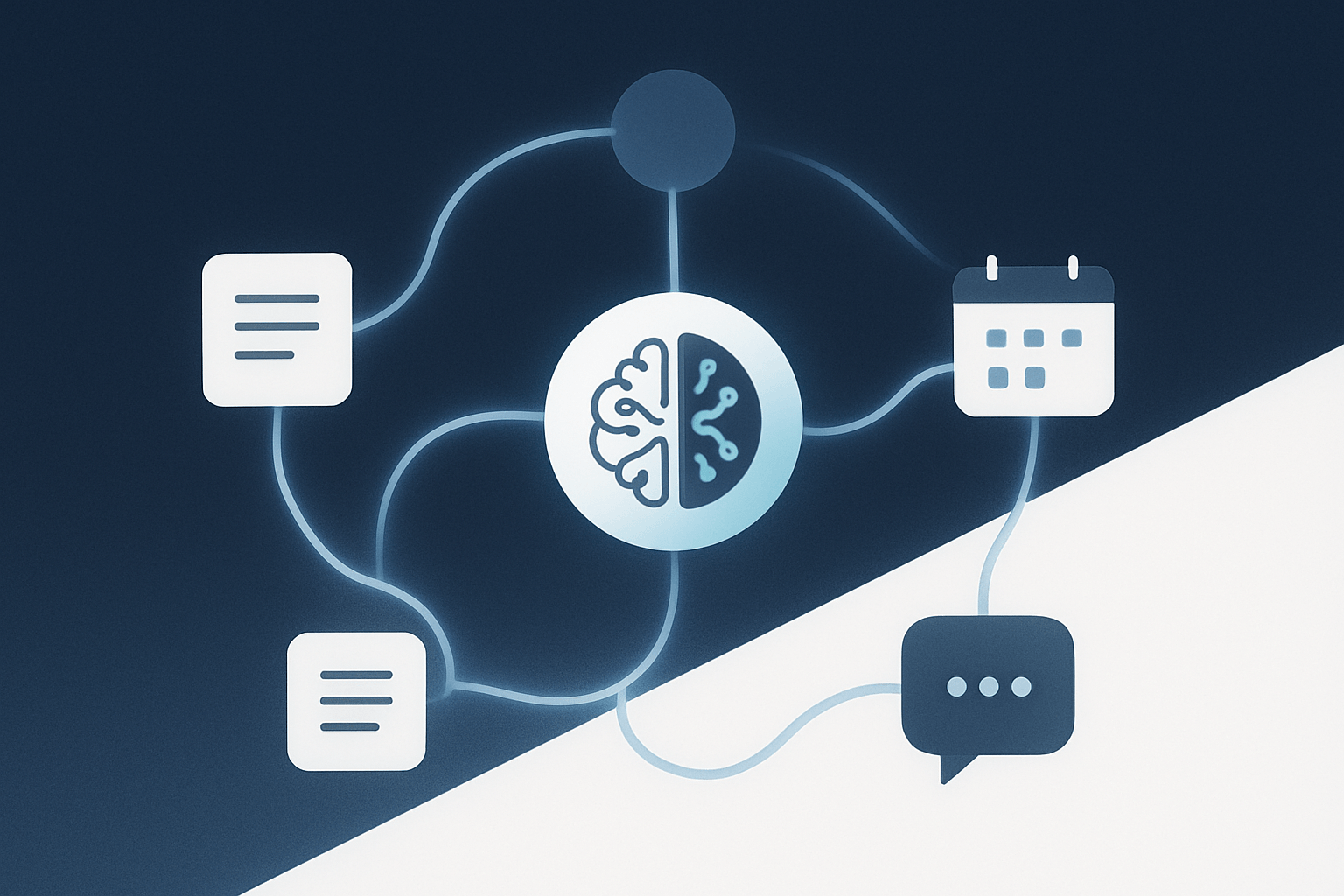
A custom-built platform can consolidate these functions into a single, unified system tailored to exactly how your business operates. The upfront investment often replaces four or five recurring subscriptions while giving you far more control.
Sign 3: You Cannot Offer the User Experience Your Customers Expect
No-code platforms give you templates and components. They do not give you unlimited control over the experience your users have.
If you are building a product for customers, not just an internal tool, user experience is a competitive differentiator. Slow load times, generic interfaces, limited personalization, and restricted functionality all affect how customers perceive your brand.
Ask yourself:
Are there features your customers have requested that your current platform simply cannot support?
Does your app feel like it belongs to the platform it was built on rather than to your brand?
Are competitors with custom-built products pulling ahead on experience and capability?
Custom development gives you full ownership of the interface, the performance, and the feature set. You are not waiting for Bubble or Webflow to release an update that enables what you need. You build what your users need, when they need it.
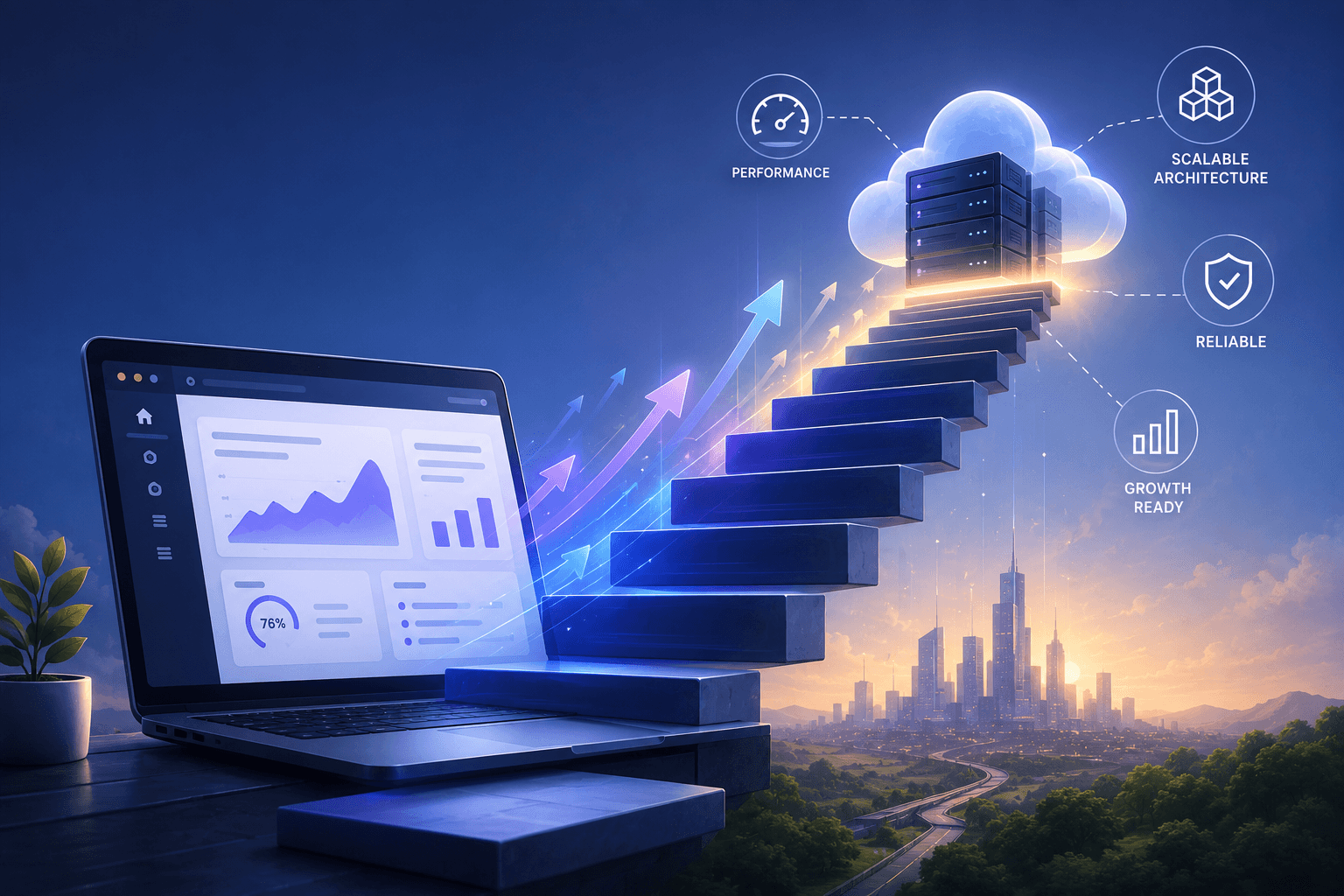
Sign 4: You Are Running Into Scalability or Performance Walls
No-code platforms are optimized for typical usage. When your user base grows, your data volume increases, or your processing demands spike, many platforms struggle to keep up.
You might notice:
Pages and dashboards loading slowly as your database grows
Platform usage limits that cap the number of records, users, or API calls
Pricing that scales uncomfortably as your business scales
Inability to handle complex data relationships or high-volume transactions
Scalability issues are not just technical annoyances. They directly affect customer satisfaction and your ability to grow. A platform that worked fine at 500 users can become a liability at 5,000.
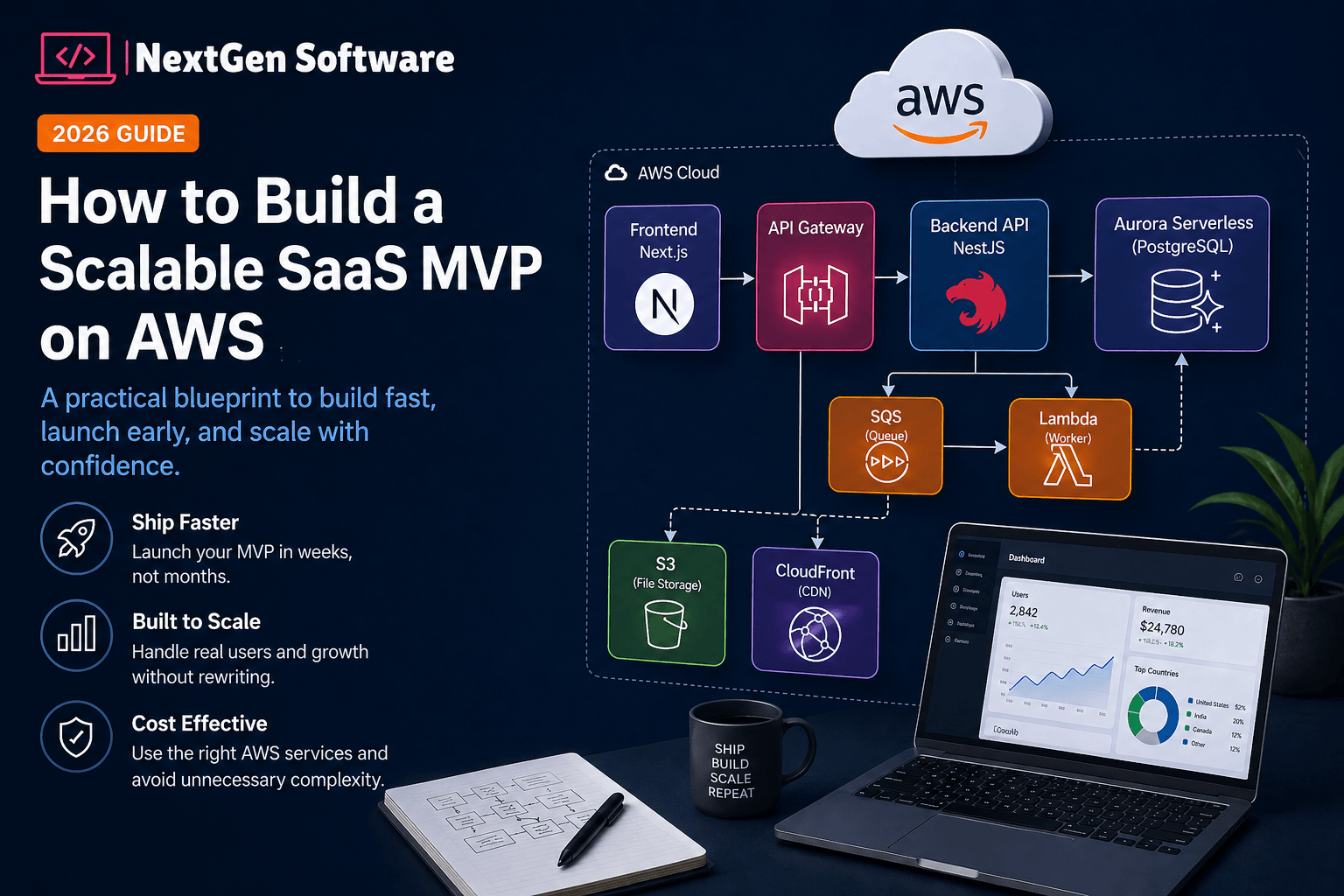
Custom software built on a proper architecture, whether that is a cloud-based web app, a scalable SaaS product, or a high-performance API, is designed with your growth trajectory in mind from the start.
Sign 5: Security, Compliance, or Data Ownership Is Becoming a Concern
If your business operates in healthcare, finance, legal, or any regulated industry, this sign may be the most urgent one. No-code platforms store your data on their infrastructure, under their terms of service, subject to their security practices.
For many businesses, that is an acceptable tradeoff. But as you handle more sensitive customer data, pursue enterprise clients, or face regulatory requirements like HIPAA, SOC 2, or GDPR, the limitations of third-party platforms become serious risks.
Custom software lets you:
Own your data completely, with hosting on infrastructure you control
Build compliance requirements directly into the application architecture
Implement security protocols specific to your industry and risk profile
Present enterprise clients with documentation and assurances that no-code tools cannot provide
Data ownership is not just a technical concern. It is a business asset. The data your platform generates about your users, your operations, and your market belongs to you and should stay that way.
Making the Decision: Custom Build vs. Staying with No-Code
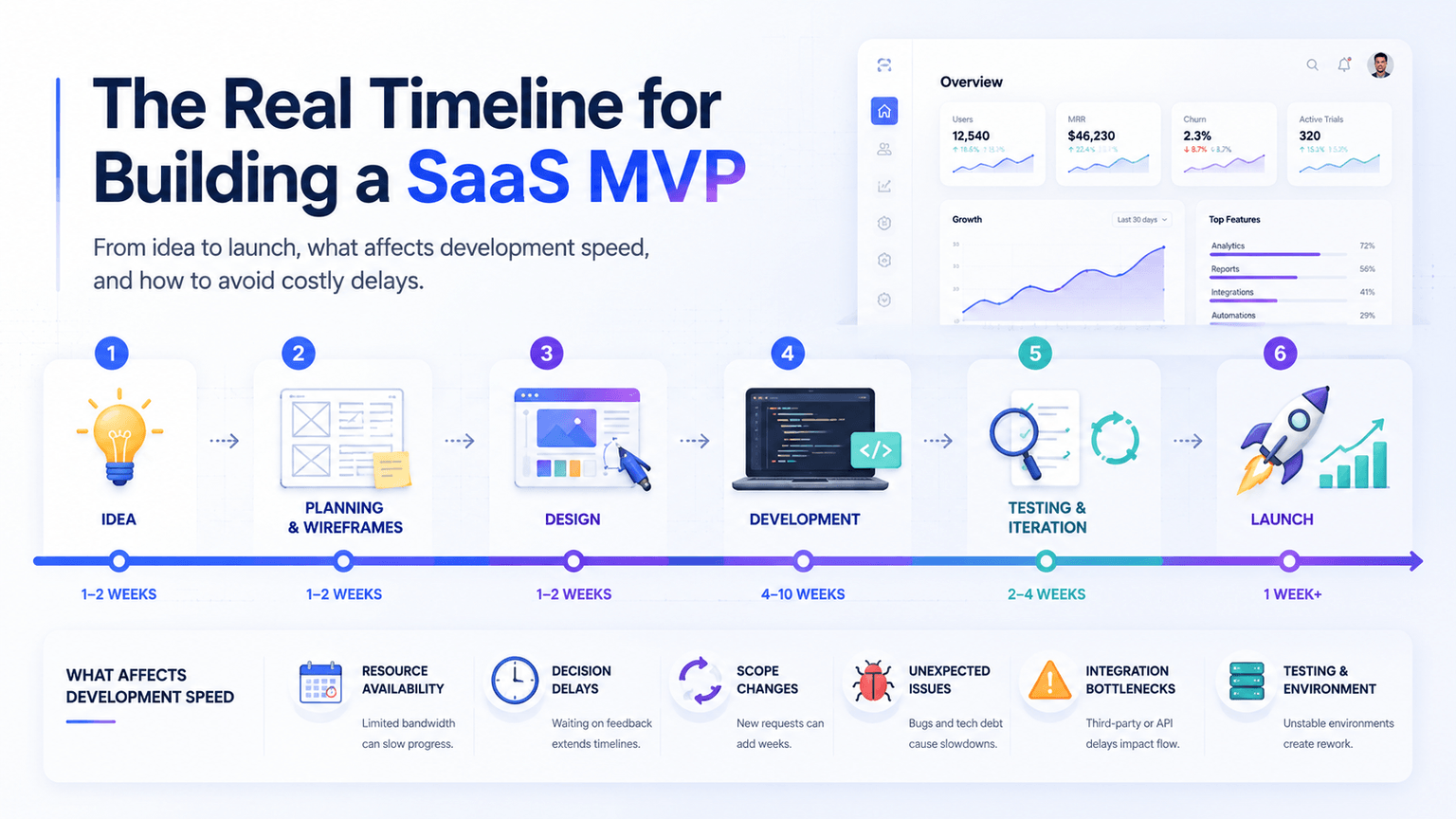
Custom software development is not the right answer for every stage of every business. If you are still validating a concept, no-code tools are genuinely the smarter starting point. They are faster, cheaper, and more than capable of proving whether an idea has legs.
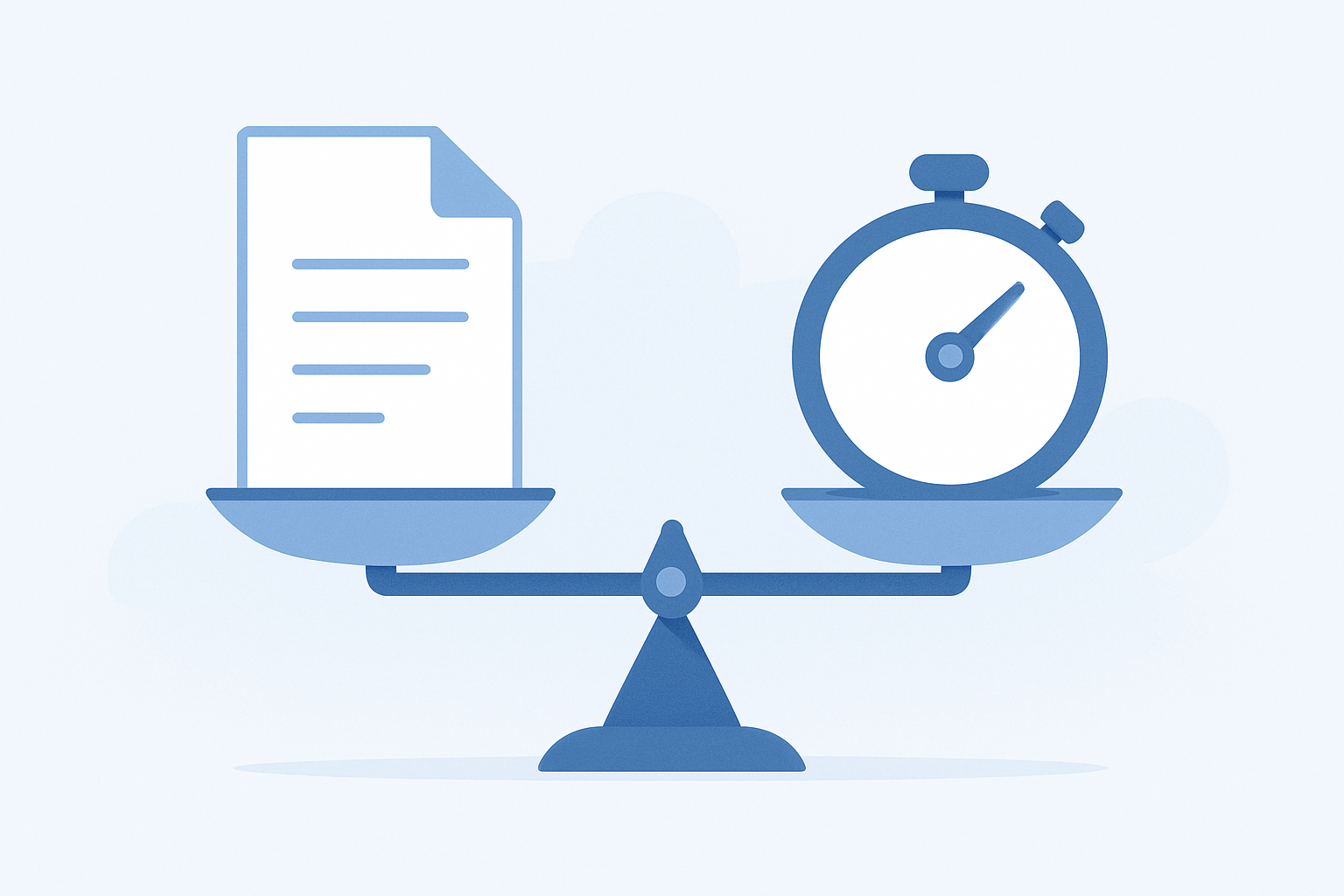
But if you are recognizing yourself in two or more of the signs above, you are likely past that stage. The cost of staying on no-code tools, in wasted time, limited capability, and missed opportunities, often exceeds the cost of a proper build faster than most business owners expect.
The question is not really "can we afford to build custom software?" It is "can we afford to keep outgrowing the tools we have?"
Ready to Find Out What a Custom Build Would Look Like for Your Business?
At NextGen Software, based in Boca Raton, FL, we work with startups and growing businesses to design and build custom web apps, mobile apps, SaaS platforms, AI automation tools, and API integrations. We start every engagement with a straightforward conversation about where you are, where you want to go, and whether a custom build is actually the right next step for you.
If you are hitting the limits of your current tools and want an honest assessment of your options, we would love to talk. Visit nextgensoftware.us to schedule a free discovery call with our team.