What Is an Agentic AI Workflow? A Plain-English Guide
The Buzz Around Agentic AI: What Does It Actually Mean?
If you have been following technology news lately, you have probably heard the phrase agentic AI thrown around alongside terms like automation, machine learning, and AI agents. For most business owners, these terms blur together quickly. But agentic AI is genuinely different from the chatbots and simple automations you may already be using, and understanding that difference could change how you think about growing your business.
In plain English, an agentic AI workflow is a system where an AI model does not just answer a single question or complete one task. Instead, it plans, takes a series of actions, checks its own results, and adjusts its behavior to reach a larger goal, all without a human guiding every step.
Think of it this way: a standard AI tool is like a calculator. You give it an input and it gives you an output. An agentic AI is more like a capable employee who understands the end goal, figures out what steps are needed, uses the tools available, and gets the job done while flagging anything unusual along the way.
How Agentic AI Workflows Differ From Basic Automation
Most businesses have already experimented with some form of automation. Zapier connections, scheduled email campaigns, and rule-based chatbots are all examples of traditional automation. These tools work well for straightforward, predictable tasks.
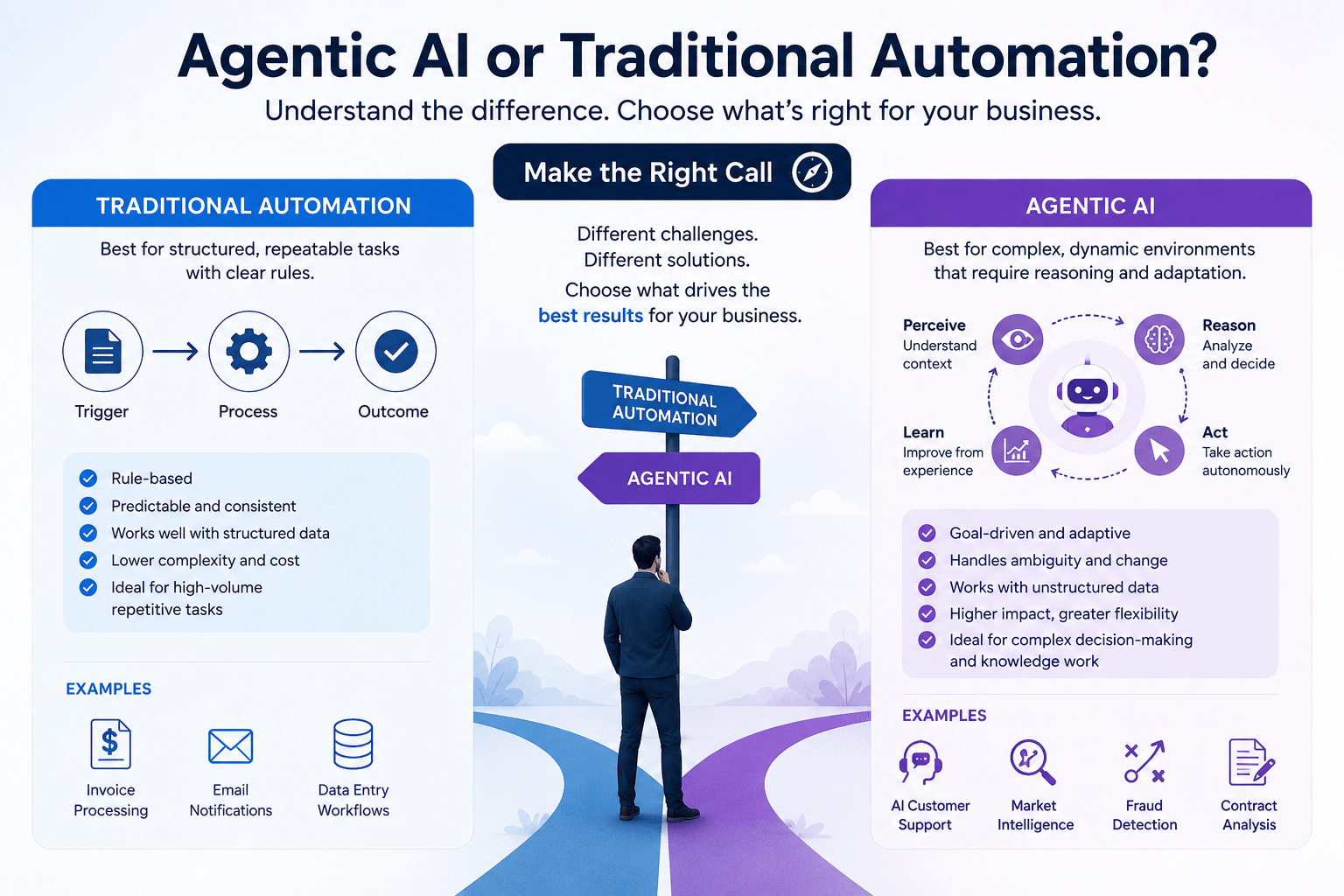
The key difference with agentic AI comes down to autonomy and reasoning. Here is a quick comparison:
Traditional automation follows a fixed script. If A happens, do B. Nothing changes unless a developer rewrites the rules.
Agentic AI workflows use a language model or AI engine to interpret context, decide which action to take next, and even recover from unexpected situations.
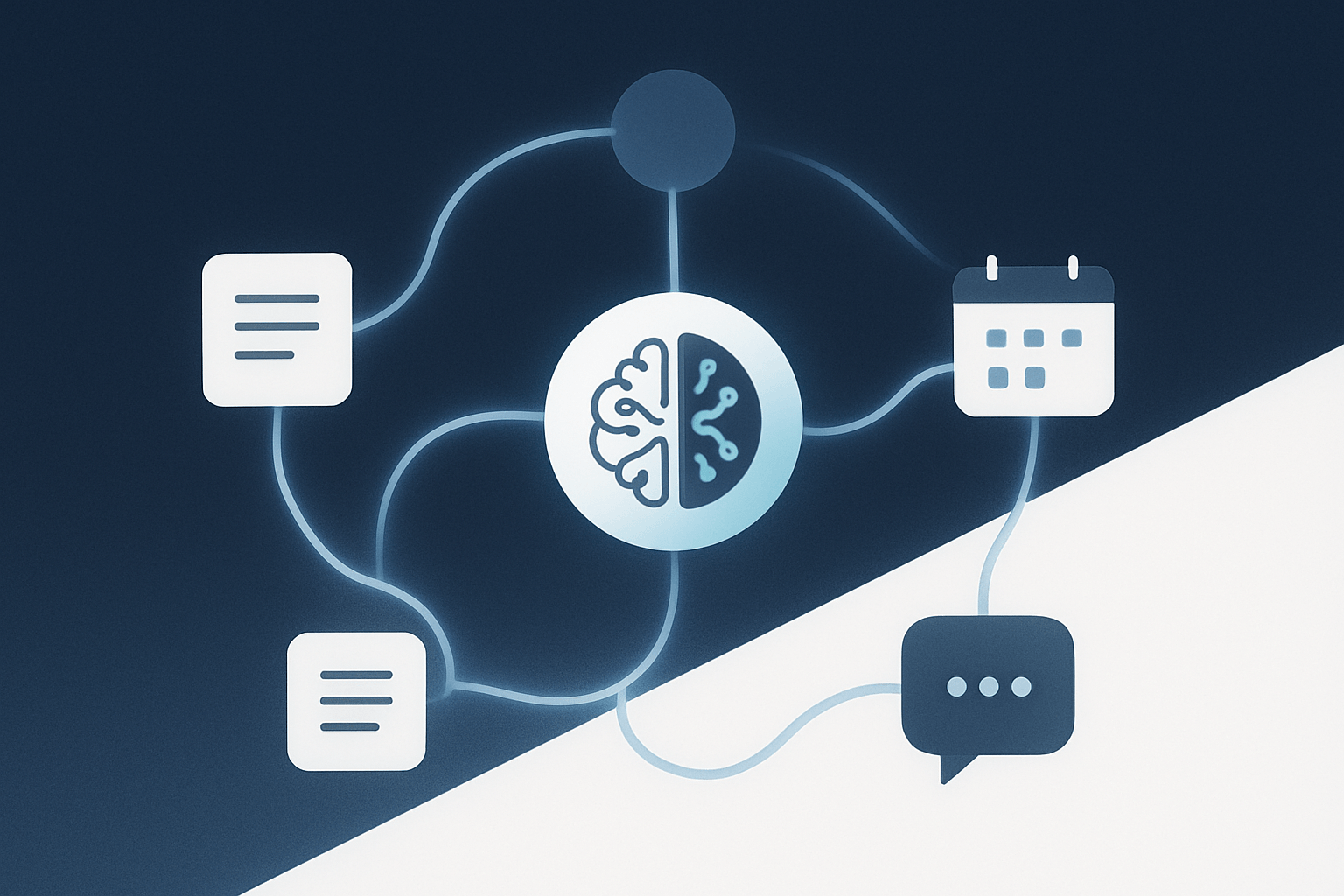
For example, a traditional automation might send a follow-up email after a form is submitted. An agentic AI workflow could review the form submission, research the lead using public data, draft a personalized proposal, check your calendar, and schedule a discovery call, all as one connected sequence.
The shift from rule-based automation to goal-based autonomy is what makes agentic AI a meaningful leap forward for business operations.
The Core Components of an Agentic AI System
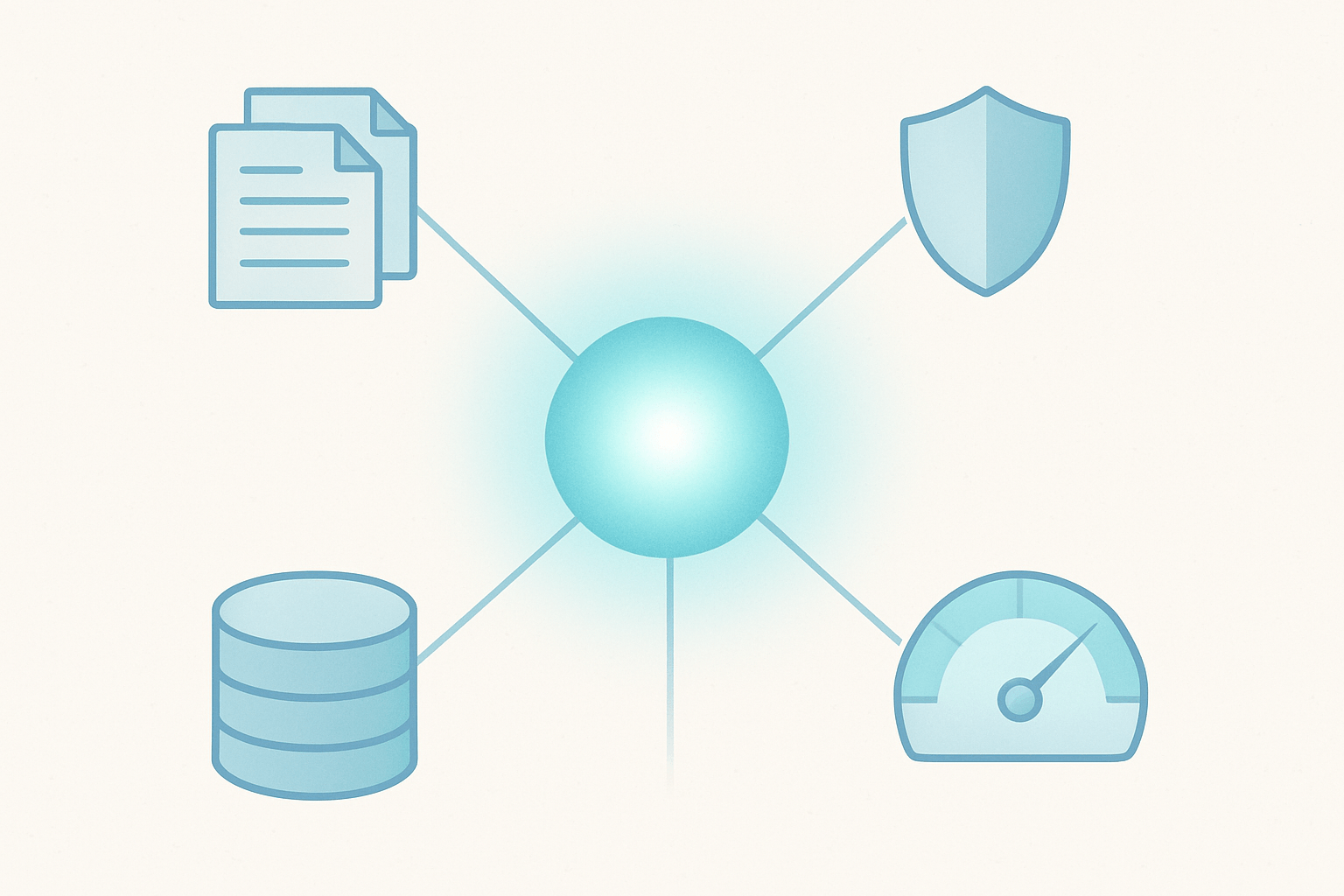
Understanding what is inside an agentic workflow helps you evaluate whether it is the right fit for your business needs. Most agentic AI systems share a few building blocks:
1. The AI Brain (The Language Model)
This is the reasoning engine, typically a large language model like GPT-4 or a similar model. It interprets instructions, understands context, and decides what to do next.
2. Tools and Integrations
The AI agent is only as powerful as the tools it can use. These might include web search, databases, calendars, CRM platforms, email systems, or custom APIs. The agent calls these tools as needed to complete tasks.
3. Memory
Some agentic systems have short-term memory (keeping track of what happened earlier in the same session) and long-term memory (storing important information across multiple sessions). This is what allows the agent to learn your business preferences over time.
4. Feedback Loops
A well-designed agentic workflow checks its own output. If a step fails or produces an unexpected result, the agent can try a different approach rather than stopping entirely.
5. A Goal or Objective
Unlike a chatbot that responds to single prompts, an agentic AI is given a higher-level goal. It then breaks that goal into sub-tasks and works through them systematically.
Real-World Use Cases for Business Owners
Agentic AI is not just a research concept. Businesses are already using these workflows to solve real operational problems. Here are a few practical examples:
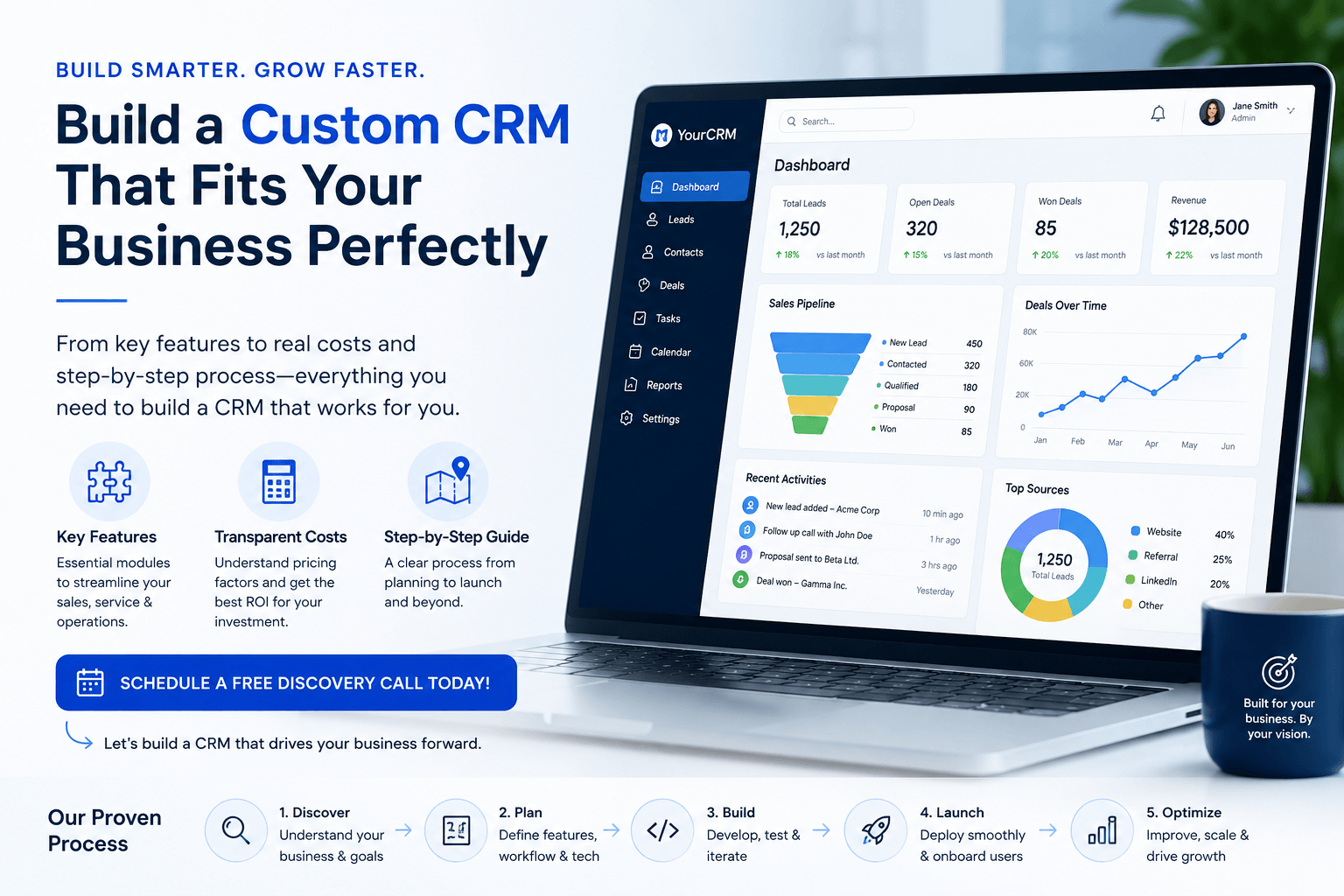
Sales and lead qualification: An agent monitors new leads, pulls background information, scores each lead based on your criteria, drafts outreach messages, and logs everything in your CRM automatically.
Customer support escalation: Instead of a basic FAQ bot, an agent reads the full customer conversation, checks order history, attempts a resolution, and only escalates to a human when it genuinely cannot solve the issue.
Content and reporting pipelines: An agent pulls data from multiple sources, summarizes key metrics, drafts a weekly report, and sends it to the right team members without manual intervention.
Internal operations: Onboarding workflows, invoice processing, and project status updates can all be handled by agents that know how to navigate your internal tools.
Product development support: Agents can monitor user feedback channels, categorize feature requests, and create structured summaries for your product team each week.
The common thread is that these are multi-step tasks that used to require human judgment at each stage. Agentic AI handles the coordination while humans stay focused on decisions that genuinely require their expertise.
What to Consider Before Building an Agentic AI Workflow
Agentic AI is powerful, but it is not a plug-and-play solution for every situation. Before investing in a custom build, consider the following:
1. Define the goal clearly. Vague objectives lead to unreliable agents. The more precisely you can describe what success looks like, the better your system will perform.
2. Audit your existing tools and data. Agents are only as good as the data they can access. If your CRM is messy or your systems do not have APIs, integration work will need to come first.
3. Plan for human oversight. The best implementations include checkpoints where a human reviews or approves high-stakes actions. Full autonomy is not always the right choice from the start.
4. Think about security and compliance. Agents that access sensitive customer data need to operate within clearly defined permissions and audit trails.
5. Start with a focused use case. Businesses that try to automate everything at once rarely succeed. Picking one high-impact workflow and building it well is a much better approach.
Is Your Business Ready for Agentic AI?
Agentic AI workflows are no longer reserved for enterprise companies with massive engineering teams. Startups and mid-sized businesses are increasingly building these systems as part of their core product or internal operations, and the competitive advantage for early movers is real.
If you are a founder or business leader who spends time on repetitive coordination tasks, manages a growing volume of customer interactions, or wants to scale operations without proportionally scaling headcount, agentic AI is worth a serious look.
At NextGen Software, based in Boca Raton, FL, we help startups and growing businesses design and build custom agentic AI workflows that connect to your existing tools and solve problems specific to your industry. Whether you are exploring AI automation for the first time or ready to replace a clunky manual process with something smarter, our team can walk you through what is actually possible for your situation. Visit nextgensoftware.us to schedule a free discovery call and start the conversation.