From Shelf to Shipped: Building TheMillionBlocks
A Good Idea Does Not Have an Expiration Date
About a year ago I wrote a single paragraph in my notes app. The note said something like: "Modern version of the Million Dollar Homepage. Seasonal blocks, leaderboard, anyone can buy in." I starred it, closed the app, and did not open it again for months.
That is a familiar story for anyone who builds things on the side while running a software consultancy. Client work has deadlines. Personal projects have good intentions. The gap between those two things is where most ideas quietly disappear.
This one did not disappear, but it also did not move. It just waited.
The Original Idea and Why It Stalled
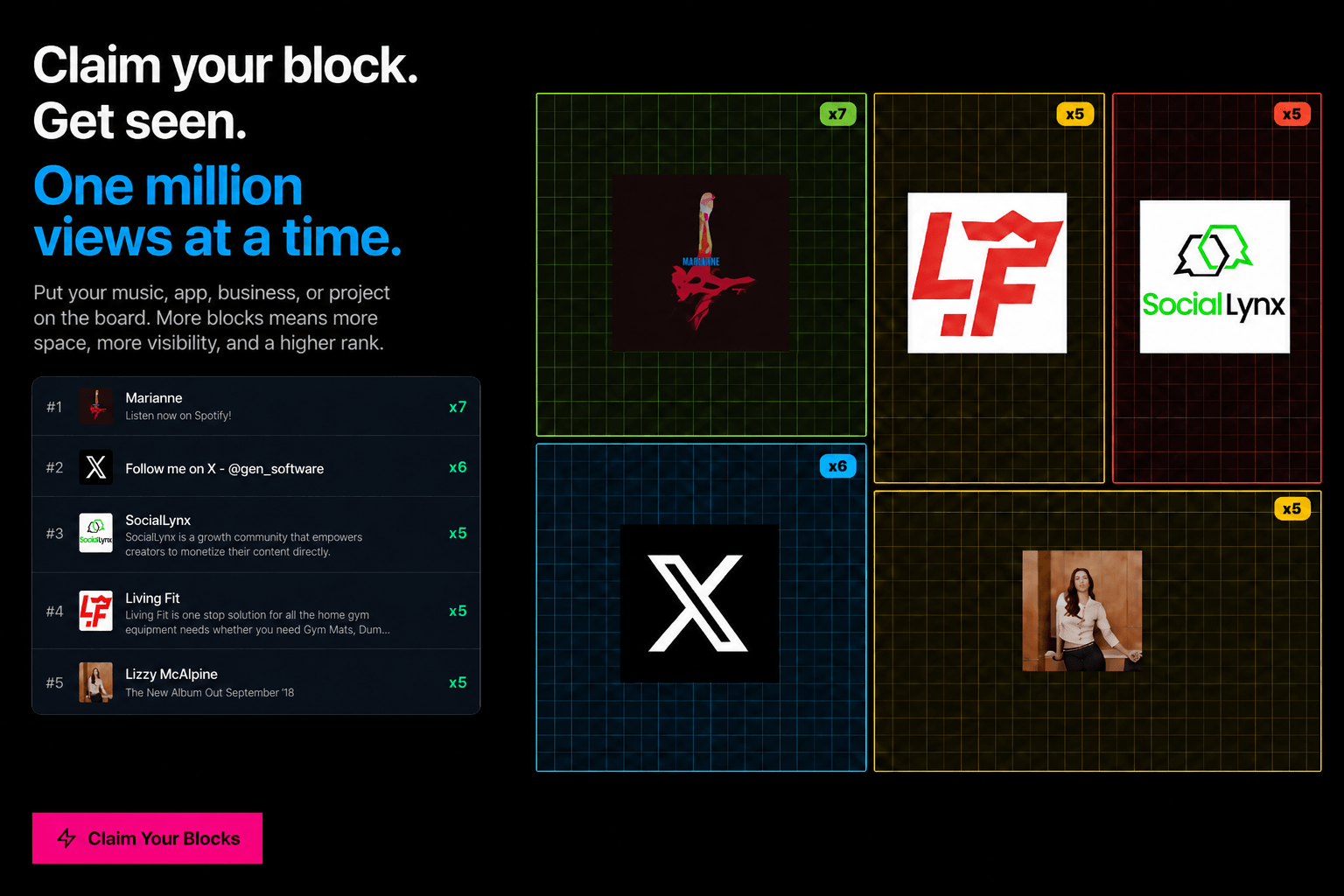
The concept behind TheMillionBlocks is straightforward: a shared digital board made up of one million blocks. Anyone can purchase a block, attach a link, and get seen by every visitor who lands on the page. Blocks reset each season so the board stays fresh and competitive, and a live leaderboard tracks the top block owners by views.
It is a modern take on the "Million Dollar Homepage" that Alex Tew launched in 2005. That original concept was simple and effective. What I wanted to build kept the core appeal but added structure: seasons give it a rhythm, the leaderboard adds a competitive layer, and the experience would be built with current tooling so it actually felt good to use in 2024.
So why did it sit for a year?
Honestly, because nothing forced it off the shelf. I had client commitments, other product ideas competing for the same limited hours, and no external signal telling me the timing was right. The idea was valid but the urgency was not there. I kept telling myself I would get to it next month, and next month kept moving.
That is not a failure of passion. It is just the reality of running a business while trying to build independently. Time is the constraint, not interest.
What Changed
Earlier this year I started noticing real momentum building around this category of product again. People paying for placement on a shared board, competing for visibility, turning the attention economy into something literal and transactional. The format was getting attention again.
One example that caught my eye was outbid.lol, which showed that people were willing to engage with and pay for this kind of shared-board advertising experience. Seeing something in the same space gain traction was the signal I needed. The market was not just nostalgic for this format. It was actively engaging with it again.
That observation did two things for me. First, it confirmed that the timing was better now than it was a year ago. Second, it made the cost of waiting feel real. If I kept the idea on the shelf, someone else would eventually build the version I had been thinking about. I would rather ship my version and learn from real users than watch from the sidelines.
I opened that old note, rewrote it as a proper spec, and started building the next week.
What I Built and How
I want to be clear about what TheMillionBlocks is in the context of NextGen Software. This is not a client project. It is not a case study of work I did for someone else. It is my own independent product, built the way I would build anything serious: with a production-grade stack and an eye toward scale from day one.
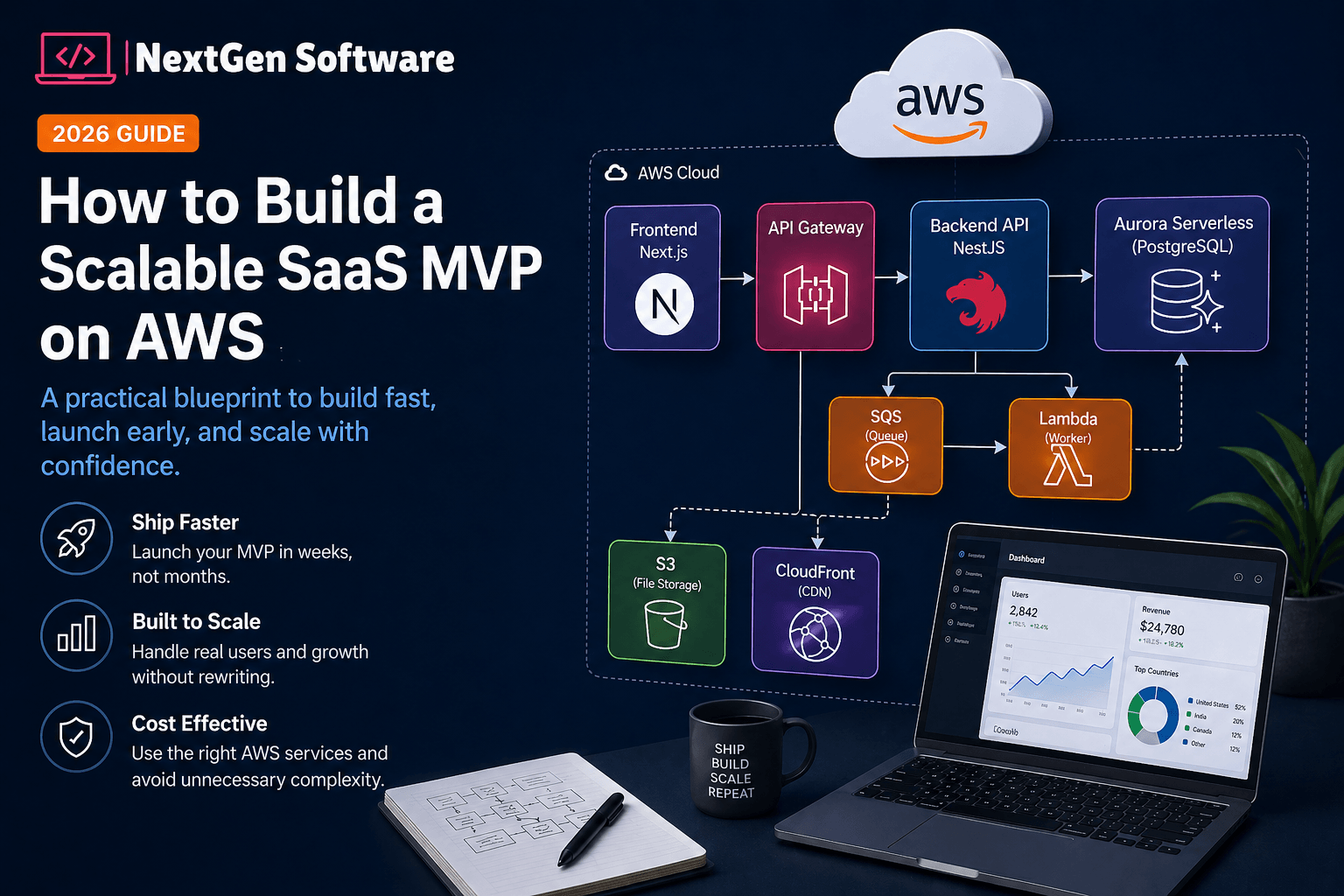
The technical foundation is the same combination I rely on for client work at NextGen Software, because those tools earned that position by being genuinely good.
The Stack
Next.js for the frontend and routing. Server components and the App Router made it straightforward to handle the real-time display requirements without overcomplicating the architecture.
Supabase for the database, authentication, and real-time subscriptions. The leaderboard and block view counts needed live updates, and Supabase handled that cleanly without requiring a separate WebSocket infrastructure.
Stripe for payments. Block purchases needed to be simple and reliable. Stripe Checkout and the webhooks integration made the payment flow straightforward to implement and easy to reason about.
The board itself renders one million block positions. Purchased blocks display their owner's link and any branding they attached at the time of purchase. The leaderboard surfaces the top block owners ranked by total views, which gives buyers a reason to care about where they place and how they promote their block.
Seasonal resets mean the board does not calcify. New buyers always have a path to visibility, and returning buyers have a reason to come back each season. That rhythm matters for long-term engagement.
What the Build Process Looked Like
I gave myself a tight timeline and treated it like I would treat a client delivery: defined scope up front, built to that scope, and shipped. There are features I did not include in the first version because they were not essential to the core experience. A block purchase should be fast, clear, and satisfying. The board should load quickly and feel alive. The leaderboard should update without a page refresh. Those were the priorities, and they drove every decision I made.
Perfection is expensive. A working product in front of real users is more valuable than a polished product that never launches.
What Comes Next
The first season is live. I am watching how people use the board, what draws them to certain positions, and how they promote their blocks after purchase. That behavior will shape what I build next.
There are features I am already planning: more detailed analytics for block owners, improved mobile rendering for the board, and potential tools to make it easier for buyers to share their block placement on social channels. But I want real usage data before I commit to any of that in detail.
From a business standpoint, this is also an opportunity to practice what I preach. At NextGen Software I help clients think through product decisions, prioritize features, and ship with confidence. Running my own product forces me to apply that same discipline to my own work, with my own money and my own timeline. That accountability is useful. It keeps the thinking honest.
Go Claim a Block
If you have a project, a business, a side hustle, or anything else you want people to see, I built TheMillionBlocks for exactly that purpose. The concept is simple: buy a block, drop your link, get seen. Seasons keep the board competitive and the leaderboard keeps things interesting.
You can visit themillionblocks.com to see the board, check the current leaderboard, and claim your block. I would genuinely like to see what people use it for.