How to Choose a Custom Software Development Company
How to Choose a Custom Software Development Company
Choosing the right custom software development company is one of the most important decisions a business owner can make. The wrong partner can drain your budget, miss deadlines, and deliver a product that does not solve your actual problem. The right one can help you build something that drives real growth.
If you are evaluating vendors for the first time, the process can feel overwhelming. This guide breaks down exactly what to look for so you can make a confident, informed decision.
1. Define Your Goals Before You Start Comparing Vendors
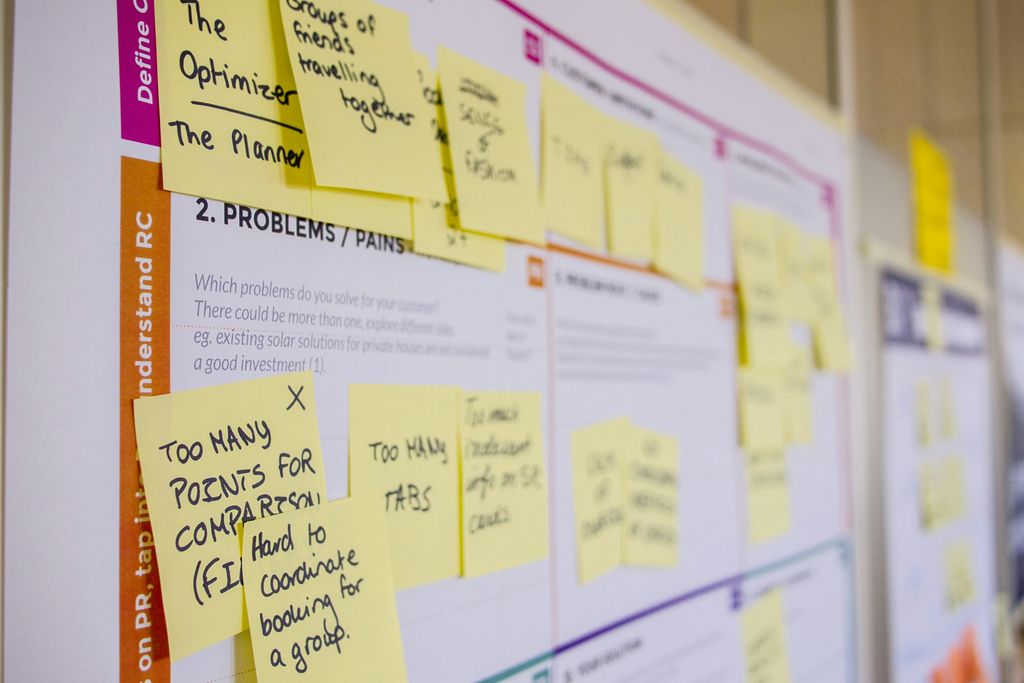
Before reaching out to a single development company, you need clarity on what you are trying to build and why. This sounds obvious, but many business owners start shopping for developers before they have answered foundational questions.
Ask yourself:
What problem does this software need to solve?
Who are the end users and what do they need?
What does success look like in 6 to 12 months?
Do you need a mobile app, a web app, a SaaS platform, or something else?
Having clear answers makes it much easier to evaluate whether a vendor truly understands your vision or is just telling you what you want to hear. It also helps you get more accurate project estimates from the start.
2. Evaluate Their Portfolio and Industry Experience
A development company's portfolio is one of your strongest signals of capability. Look for projects that are similar in scope, complexity, or industry to what you need.
Key things to assess in a portfolio:
Variety of project types: Have they built web apps, mobile apps, SaaS products, or API integrations similar to yours?
Real outcomes: Do they share results like improved efficiency, user growth, or revenue impact, not just screenshots?
Design quality: Does the work look polished and modern, or dated and clunky?
If a company cannot show relevant past work, ask why. A newer company is not automatically disqualified, but they should at least be transparent about their experience level and provide references you can actually contact.
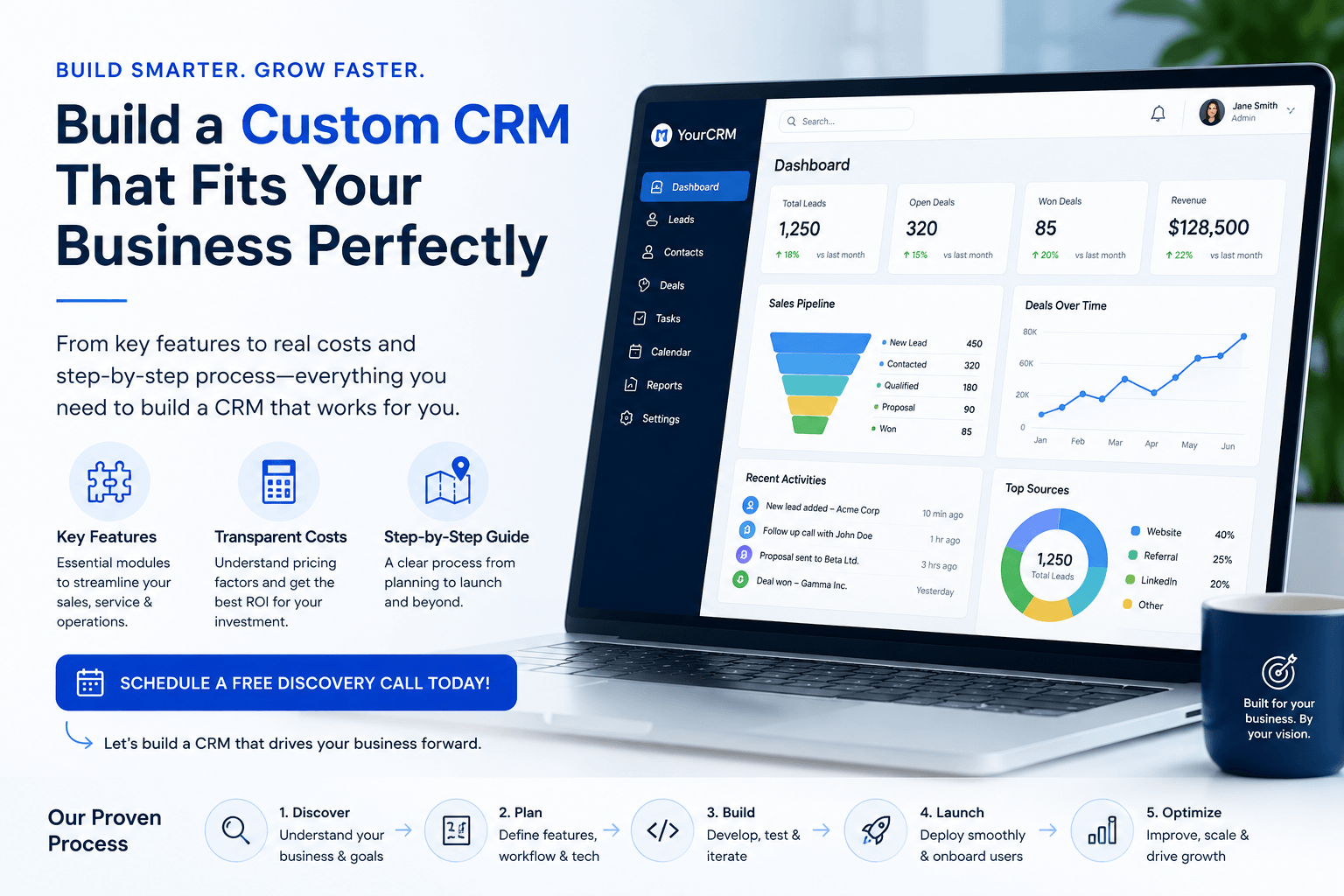
3. Assess Their Discovery and Planning Process
One of the biggest red flags in the industry is a company that rushes straight to writing code without a structured planning phase. Custom software development is complex, and skipping discovery almost always leads to costly revisions, scope creep, and missed requirements.
A quality development partner should offer:
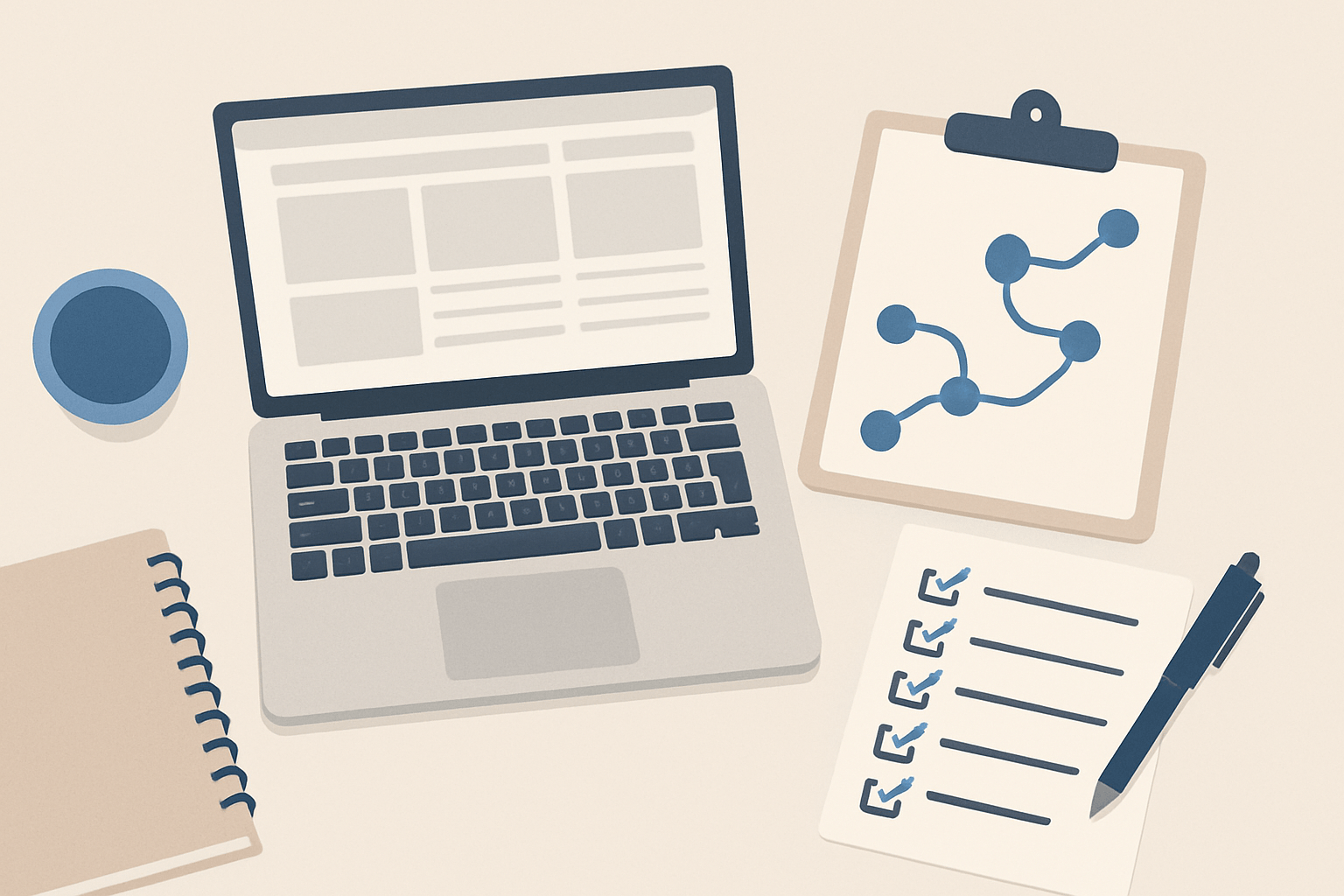
A discovery or scoping session to understand your goals and constraints
A clear project roadmap with milestones and deliverables
Wireframes or prototypes before full development begins
A defined process for handling changes and new requirements
Ask directly: "What does your discovery process look like before you start building?" The depth and clarity of their answer will tell you a lot about how professionally they operate.
4. Understand Their Communication and Project Management Style
Technology is only part of the equation. Many software projects fail not because of bad code, but because of poor communication between the client and the development team.
Before signing a contract, clarify:
Who will be your primary point of contact?
How often will you receive project updates?
What tools do they use for project tracking (Jira, Trello, Asana, etc.)?
How are bugs, revisions, and scope changes handled?
Are they based in your time zone or close to it?
Look for a team that treats you as a partner, not just a ticket in their queue. Responsiveness during the sales process is usually a reliable preview of how responsive they will be during the project itself.
5. Look at Their Technical Capabilities and Stack Flexibility
You do not need to be a developer to evaluate technical fit. What you do need to know is whether the company can build on technologies that make sense for your long-term goals.
Questions to ask about technical capabilities:
What programming languages and frameworks do they specialize in?
Can they build integrations with the tools you already use?
Do they have experience with AI automation or machine learning if that is part of your roadmap?
Who owns the source code when the project is complete?
What does post-launch support and maintenance look like?
Ownership of your own code is non-negotiable. Make sure your contract clearly states that all intellectual property belongs to you at project completion.
6. Compare Pricing Models and Watch for Red Flags
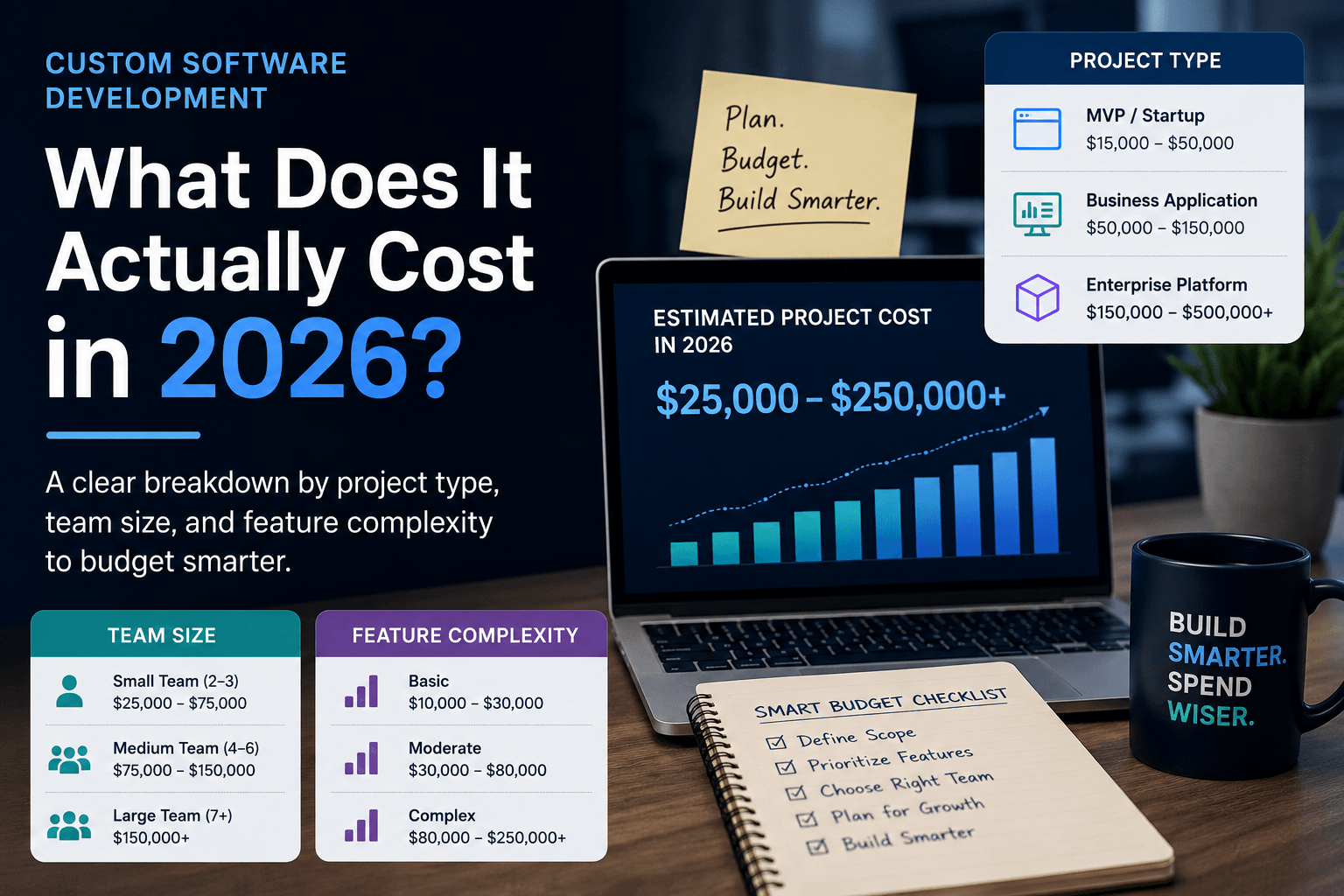
Custom software is a significant investment, and pricing can vary widely. Understanding the different pricing models will help you avoid surprises.
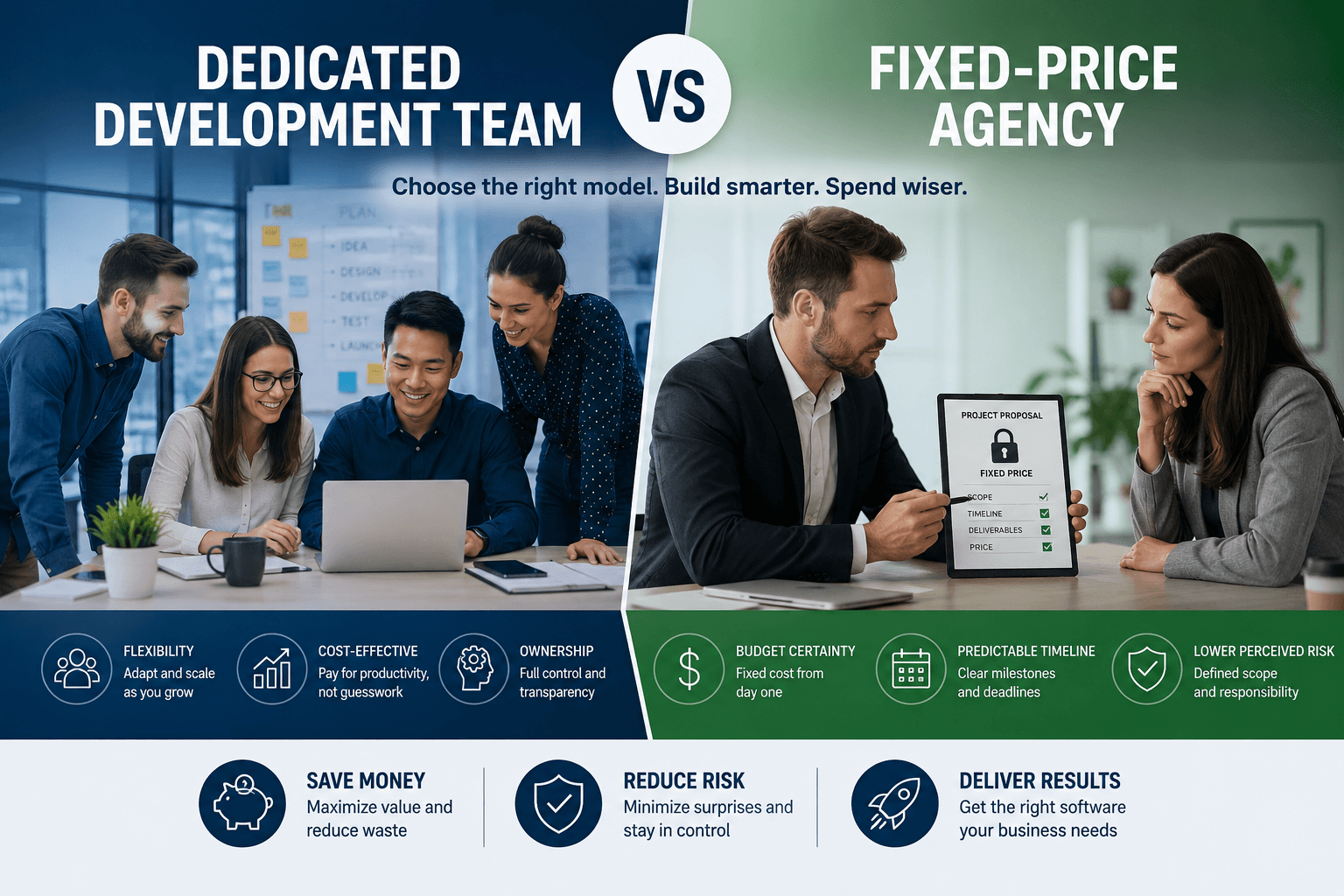
Fixed price: Best for well-defined projects with clear scope. Easier to budget but less flexible.
Time and materials: Best for evolving projects where requirements may change. More flexibility but harder to predict total cost.
Retainer or ongoing support: Common for long-term partnerships that include maintenance and feature updates.
Common red flags to watch for:
Unusually low bids that seem too good to be true
Vague contracts with no defined deliverables
No formal process for change orders
Pressure to sign quickly without time to review terms
Reluctance to provide references from past clients
A reputable company will be transparent about how they price work and will not pressure you into a decision before you feel confident.
Making Your Final Decision
After doing your research, comparing portfolios, and having discovery conversations, trust both the data and your instincts. You want a partner that is technically skilled, communicates clearly, respects your timeline, and genuinely cares about the outcome of your project.
Do not make the decision based on price alone. The cheapest option is rarely the best value when you factor in revisions, delays, and the cost of fixing problems after launch.
If you are in the process of evaluating software development partners, NextGen Software in Boca Raton, FL is worth a conversation. The team specializes in custom web apps, mobile apps, SaaS platforms, AI automation, and API integrations for startups and growing businesses. They work closely with non-technical founders and business owners to translate real-world goals into software that actually gets built and launched. To see if they are a good fit for your project, schedule a free discovery call at nextgensoftware.us.