What It Actually Costs to Add AI to Your Existing Software
The Question Every Business Owner Is Asking Right Now
AI is everywhere. Your competitors are talking about it. Your team is asking about it. And somewhere in the back of your mind, you're wondering whether adding AI to your existing software is worth the investment, or whether it will blow up your budget before you see a single result.
The honest answer is: it depends. But that answer is only frustrating if nobody walks you through what it actually depends on. This guide breaks down the real cost drivers, gives you realistic price ranges, and helps you figure out what kind of AI integration makes sense for your business right now.
Why AI Integration Costs Vary So Dramatically
You might see one company quote you $5,000 for an AI feature and another quote $150,000 for something that sounds similar. Both quotes can be completely legitimate. The difference usually comes down to four core factors:
Complexity of your existing codebase: Older or poorly documented systems require more preparation work before any AI can be added.
Type of AI functionality you want: A simple chatbot powered by an existing API is very different from a custom-trained machine learning model.
Data readiness: AI needs data to work well. If your data is scattered, incomplete, or unstructured, cleaning and organizing it adds significant time and cost.
Integration depth: Bolting on a third-party AI tool is cheaper than weaving AI logic deeply into your core workflows.
Understanding these factors is the first step toward getting an accurate estimate and avoiding sticker shock.
The Main Types of AI Additions and Their Price Ranges
1. AI-Powered Chatbots and Assistants
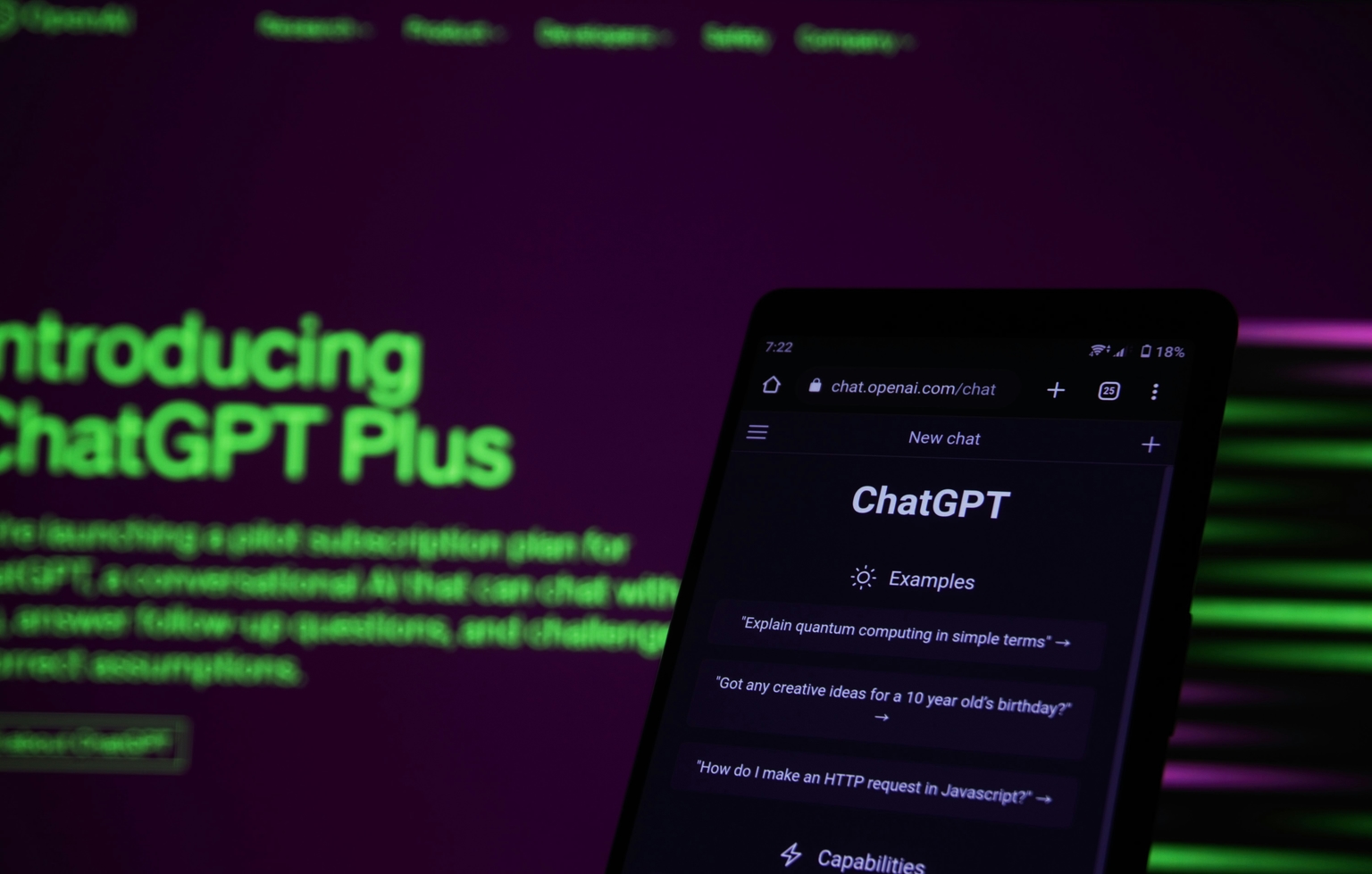
This is often the entry point for businesses exploring AI. Using tools like OpenAI's API or similar services, a development team can add a conversational assistant to your app, website, or internal tool.
Typical cost range: $5,000 to $30,000
The lower end covers a basic implementation using pre-built models with light customization. The higher end reflects custom prompting logic, knowledge base integration, and fine-tuned responses trained on your specific content.
2. Predictive Analytics and Recommendations
Want your software to predict customer churn, recommend products, or flag anomalies in financial data? This requires more sophisticated work, including model selection, training, and ongoing evaluation.
Typical cost range: $20,000 to $80,000
Cost scales with the size of your dataset, the accuracy requirements, and whether you need real-time predictions or batch processing.
3. AI Automation of Internal Workflows
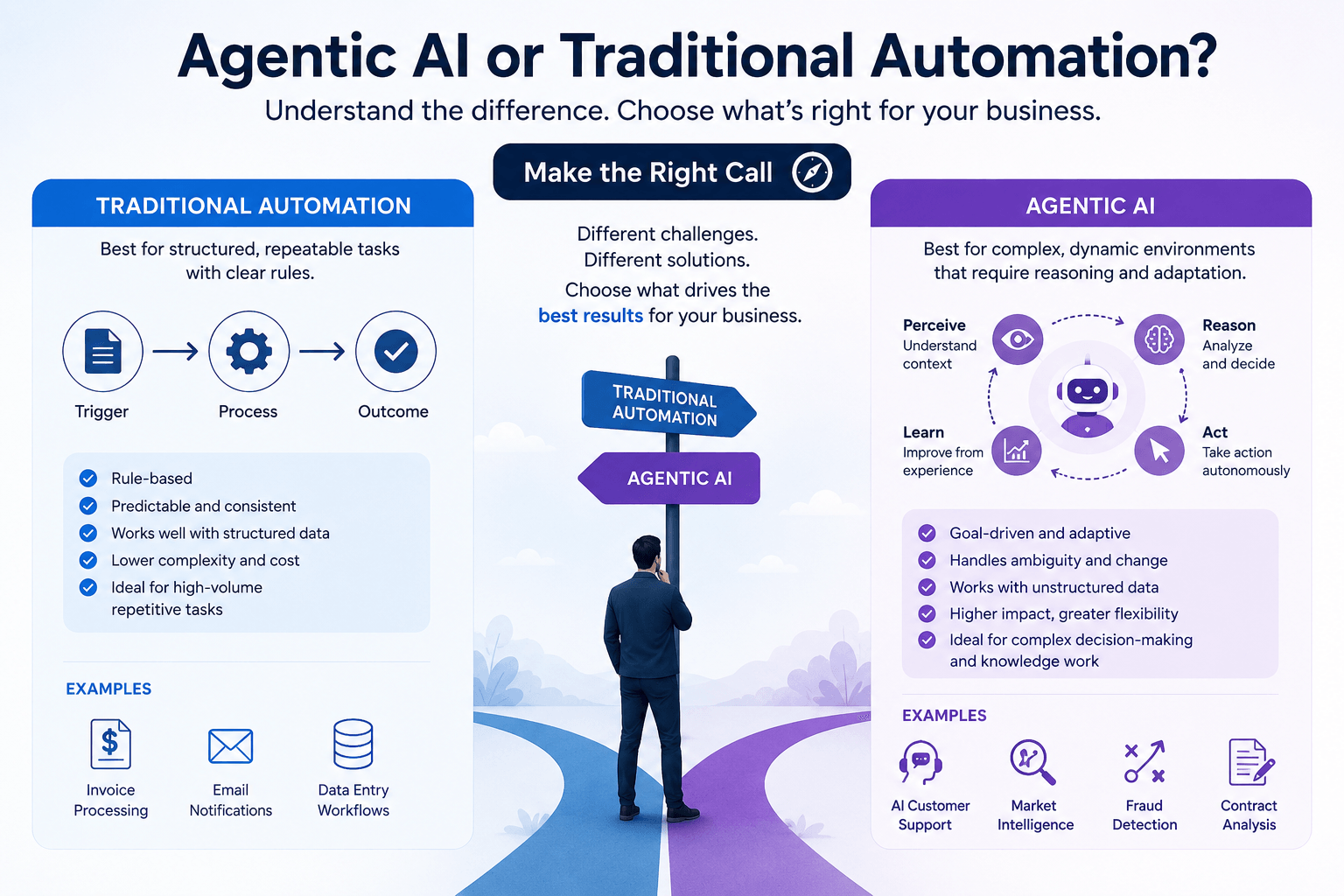
This covers using AI to automate tasks like document processing, email classification, invoice extraction, or customer intake forms. It often involves combining AI with API integrations and workflow logic.
Typical cost range: $10,000 to $60,000
The range depends on the number of workflows, the complexity of each document or data type, and how tightly the automation needs to connect with your existing tools.
4. Custom Machine Learning Models
Building a model from scratch, specific to your industry or use case, is the most resource-intensive option. This is appropriate when off-the-shelf AI tools genuinely cannot solve your problem.
Typical cost range: $50,000 to $200,000 or more
This work typically involves a data scientist or ML engineer, significant data preparation, multiple rounds of training and testing, and ongoing maintenance.
Hidden Costs That Often Get Overlooked
The development work is only part of the picture. Before you finalize a budget, make sure you account for these commonly overlooked expenses:
API usage fees: Many AI tools charge per request. If your app handles high volume, monthly costs can grow quickly. Ask your development team to model expected usage before you commit.
Data preparation: If your business data lives in spreadsheets, legacy databases, or multiple disconnected systems, getting it AI-ready is real work. Budget time and money for this phase.
Testing and quality assurance: AI outputs need to be validated carefully, especially in customer-facing contexts. Cutting corners here leads to embarrassing or costly errors.
Ongoing maintenance and retraining: AI models can drift over time as your business or data changes. Plan for periodic reviews and updates.
Infrastructure costs: Some AI workloads require more powerful servers or cloud resources. Your hosting bill may increase.
A trustworthy development partner will surface these costs upfront rather than letting them appear as surprises mid-project.
How to Know If the Investment Makes Financial Sense
Before approving a budget, ask yourself one direct question: what specific problem will this AI solve, and what is that solution worth to my business?
Here are a few frameworks that help make the case:
Time savings: If an AI automation saves each of your five employees two hours per week, that adds up to meaningful labor savings over a year. Calculate the hourly cost and multiply it out.
Revenue impact: If a recommendation engine increases average order value by 8 percent, what does that mean in actual dollars at your current transaction volume?
Error reduction: If manual data entry errors cost you in refunds, rework, or customer churn, quantify that before and after cost.
If you cannot identify a clear, measurable outcome, that is a signal to slow down and revisit the strategy before spending anything.
Questions to Ask Any Development Team Before Signing a Contract
Not all AI development shops operate with the same level of transparency. Before you commit to a partner, push for honest answers to these questions:
Will you use existing AI APIs, or build models from scratch? Why?
How will my existing data be prepared and protected?
What does the maintenance plan look like after launch?
How will we measure whether the AI is actually working?
Can you show examples of similar integrations you have built?
The answers will tell you a lot about whether you are talking to someone who wants to solve your problem or someone who just wants to bill hours.
Making a Smart, Informed Decision
Adding AI to your existing software is not an all-or-nothing decision. Many businesses start small, with one well-scoped automation or a single AI-powered feature, validate the results, and then expand from there. That approach limits risk and builds internal confidence before larger investments are made.
The most expensive mistake is not starting too big. It is starting without a clear problem to solve or a partner who understands both the technology and your business goals.
At NextGen Software, based in Boca Raton, FL, we work with startups and growing businesses to evaluate, scope, and build AI integrations that deliver real outcomes, not just impressive demos. Whether you want to add a smart automation, connect AI to your existing workflows, or explore what is possible, we will give you an honest picture of what it will take. Visit nextgensoftware.us to schedule a free discovery call and get a straight answer about what AI could actually do for your business.