What a Good Software Discovery Phase Looks Like
Why the Discovery Phase Is the Most Important Part of Any Software Project
If you have ever hired a development agency and watched a project go sideways, there is a good chance the problem started before a single line of code was written. Misaligned expectations, blown budgets, and features that miss the mark almost always trace back to one root cause: no one took the time to truly understand the problem before trying to solve it.
That is exactly what the software discovery phase is designed to prevent. It is not a formality. It is not a sales tactic. It is the structured process of learning enough about your business, your users, and your goals to build something that actually works.
If an agency is eager to skip this step and jump straight into design or development, that is a serious red flag worth paying attention to.
What the Discovery Phase Actually Is
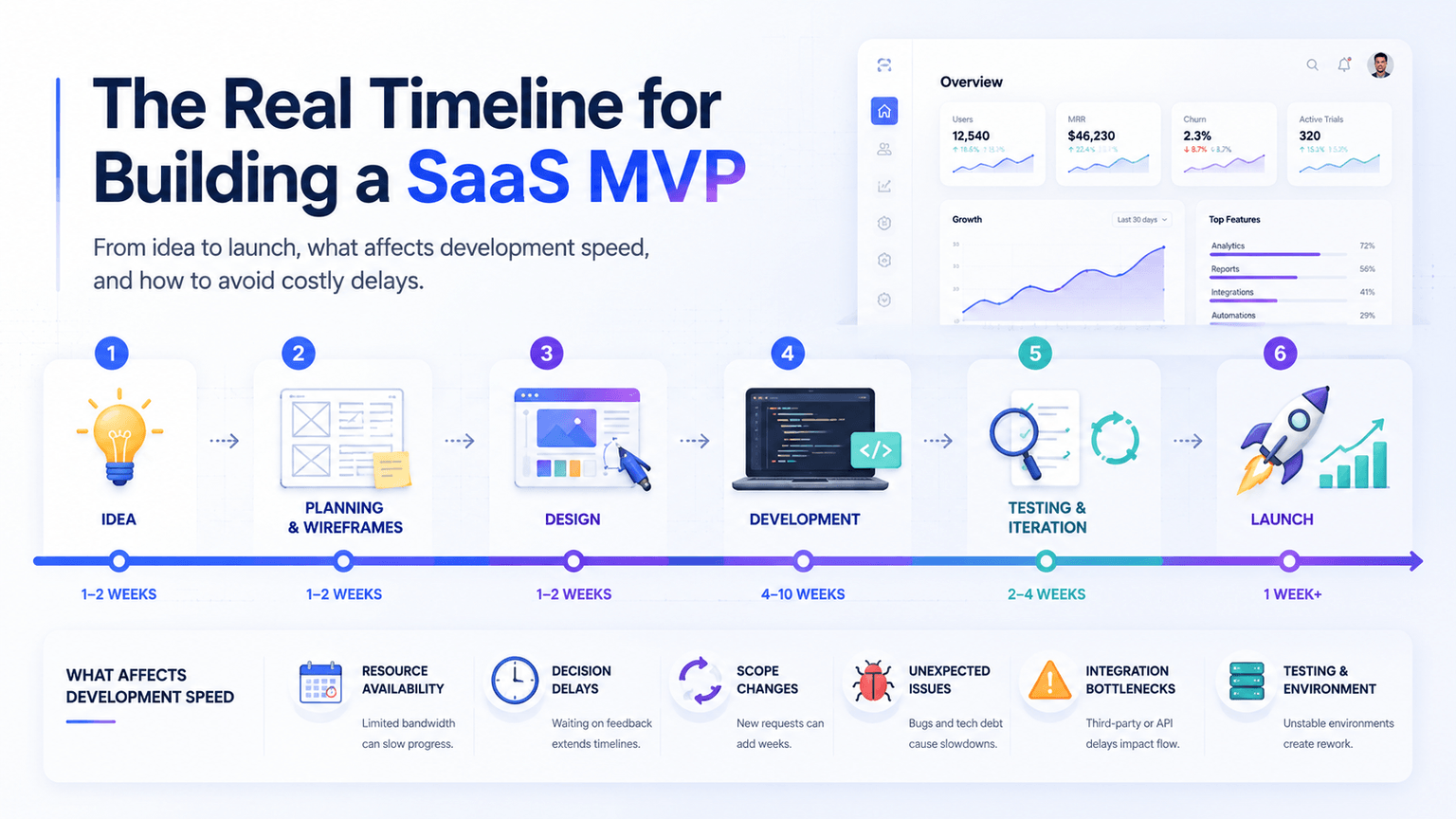
The discovery phase is a dedicated period, typically one to four weeks depending on project complexity, where the development team digs into your idea before any commitments are made about scope, timeline, or final cost.
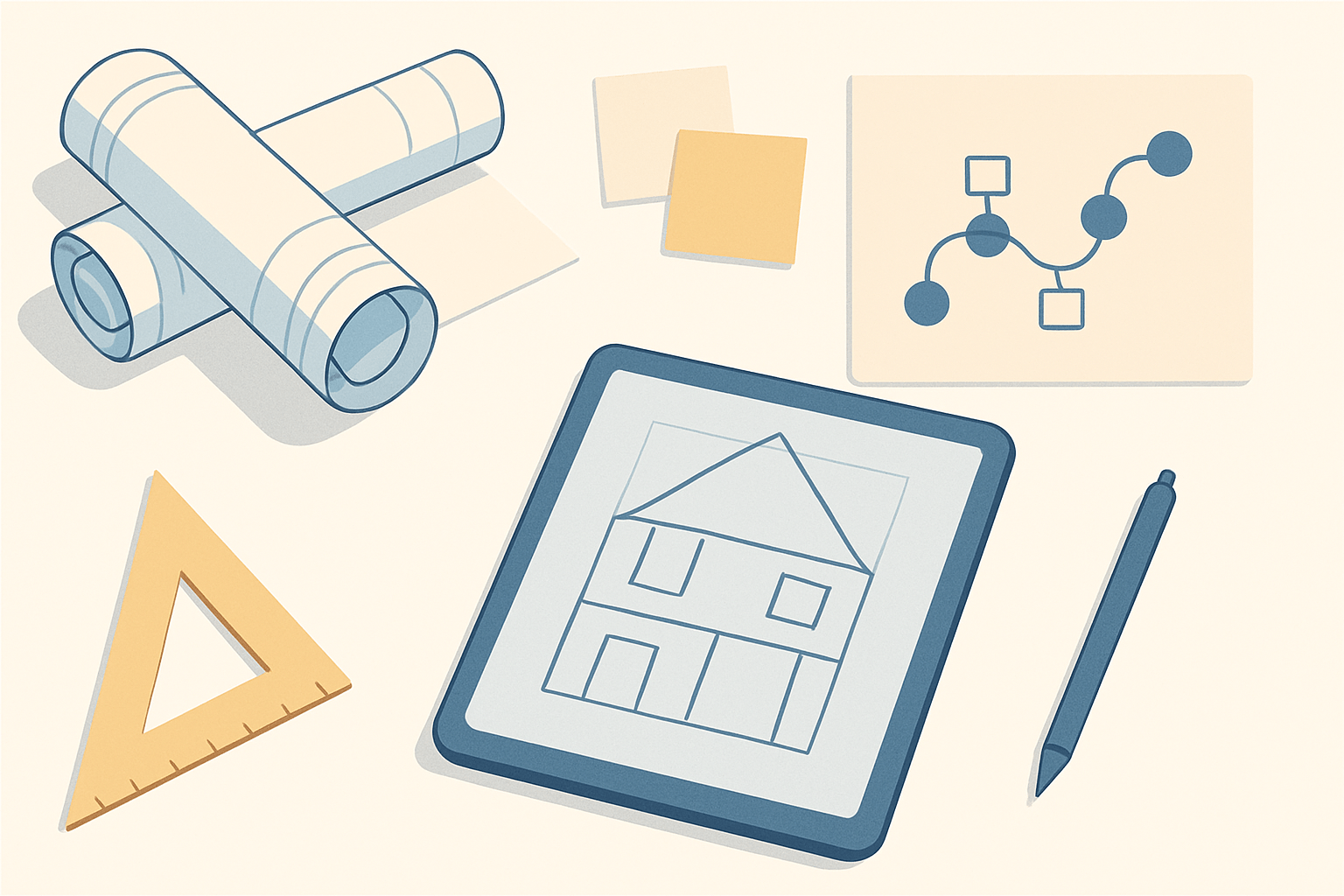
Think of it like an architect drawing blueprints before a single brick is laid. You would never hire a contractor who said, "Skip the blueprints, we will figure it out as we go." The same logic applies to custom software.
A proper discovery phase typically includes:
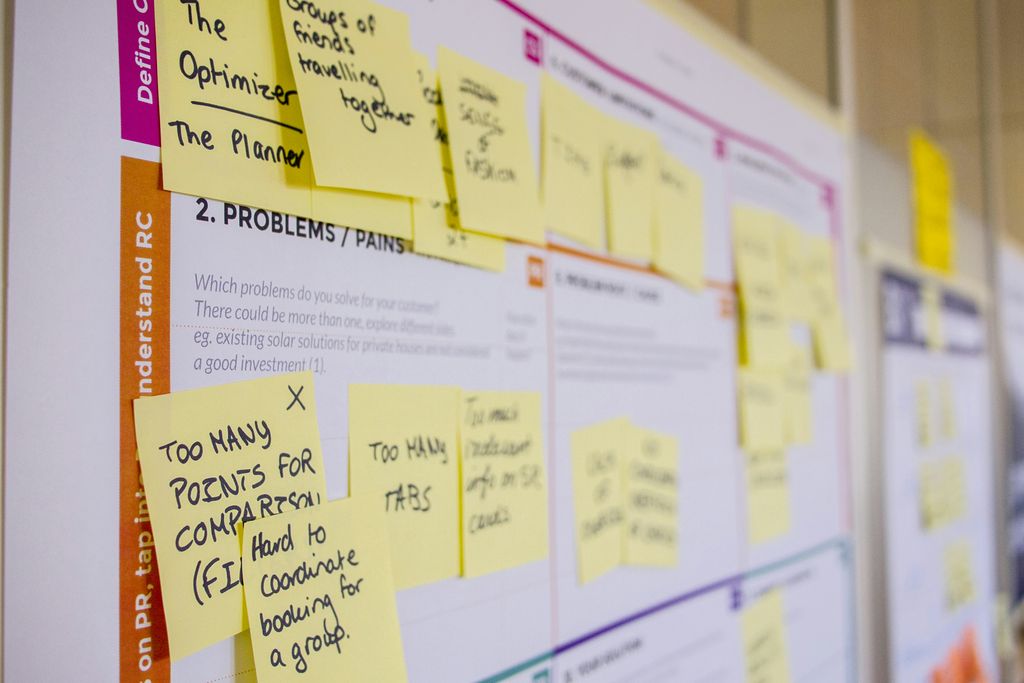
Stakeholder interviews to understand business goals, pain points, and success metrics
User research to map out who will actually use the product and what they need
Technical discovery to assess existing systems, integrations, and infrastructure requirements
Competitive and market analysis to identify gaps the software should fill
Scope definition that translates business goals into specific features and requirements
Risk assessment to surface potential blockers early, before they become expensive
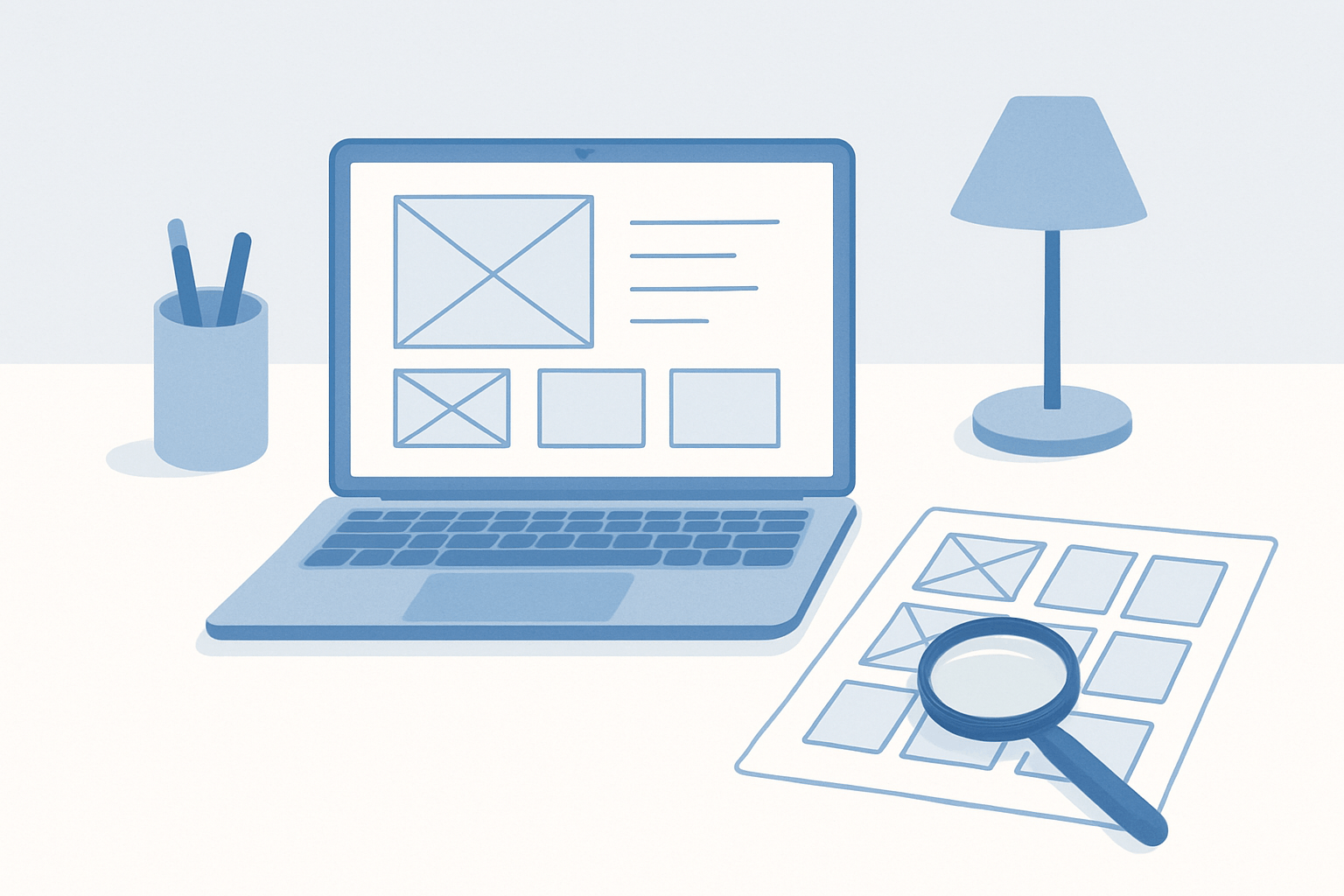
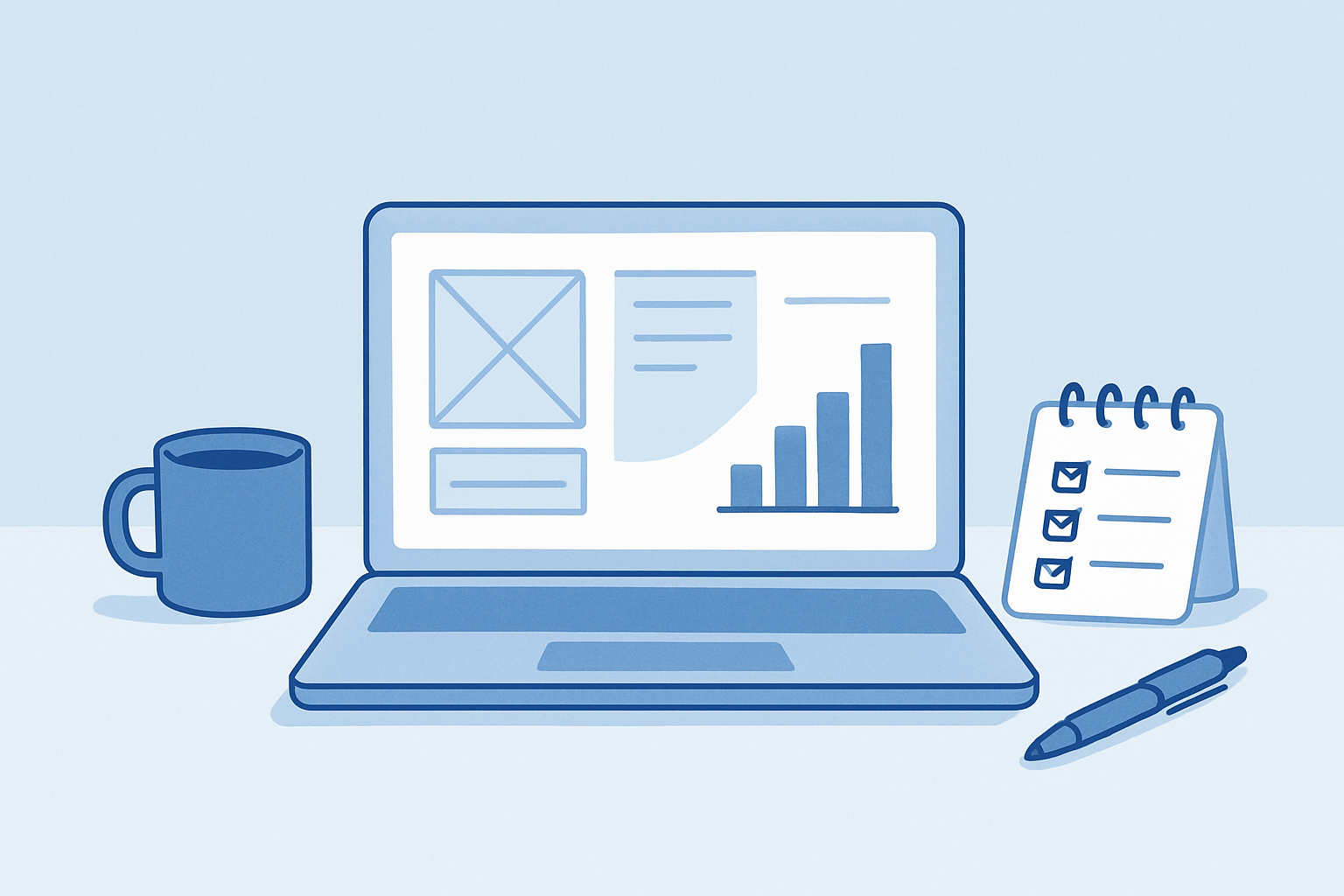
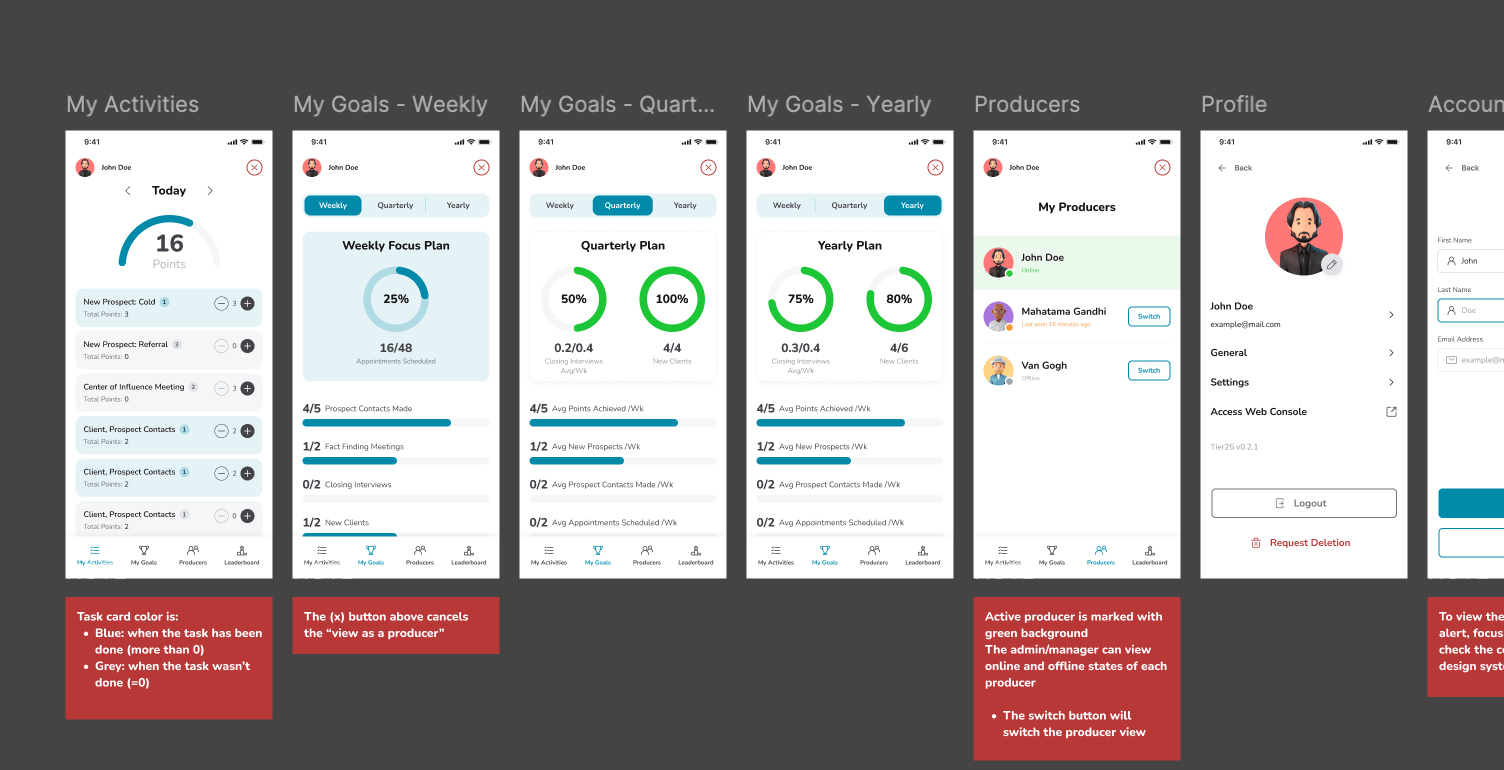
The output of a discovery phase is usually a set of deliverables: a technical specification, user flow diagrams, wireframes or prototypes, a project roadmap, and a realistic estimate with a clearly defined scope.
Why Skipping Discovery Is a Red Flag
Some agencies skip discovery because they want to close the deal quickly. Others skip it because they do not have the senior-level expertise needed to run one properly. Either way, it should make you pause.
Here is what typically happens when a project moves forward without proper discovery:
Scope Creep Becomes Inevitable
Without a documented scope, "what we agreed to" becomes a matter of interpretation. Features get added mid-project, timelines stretch, and invoices grow. By the time you realize how far off track things are, you are already deep into the engagement.
Estimates Are Unreliable
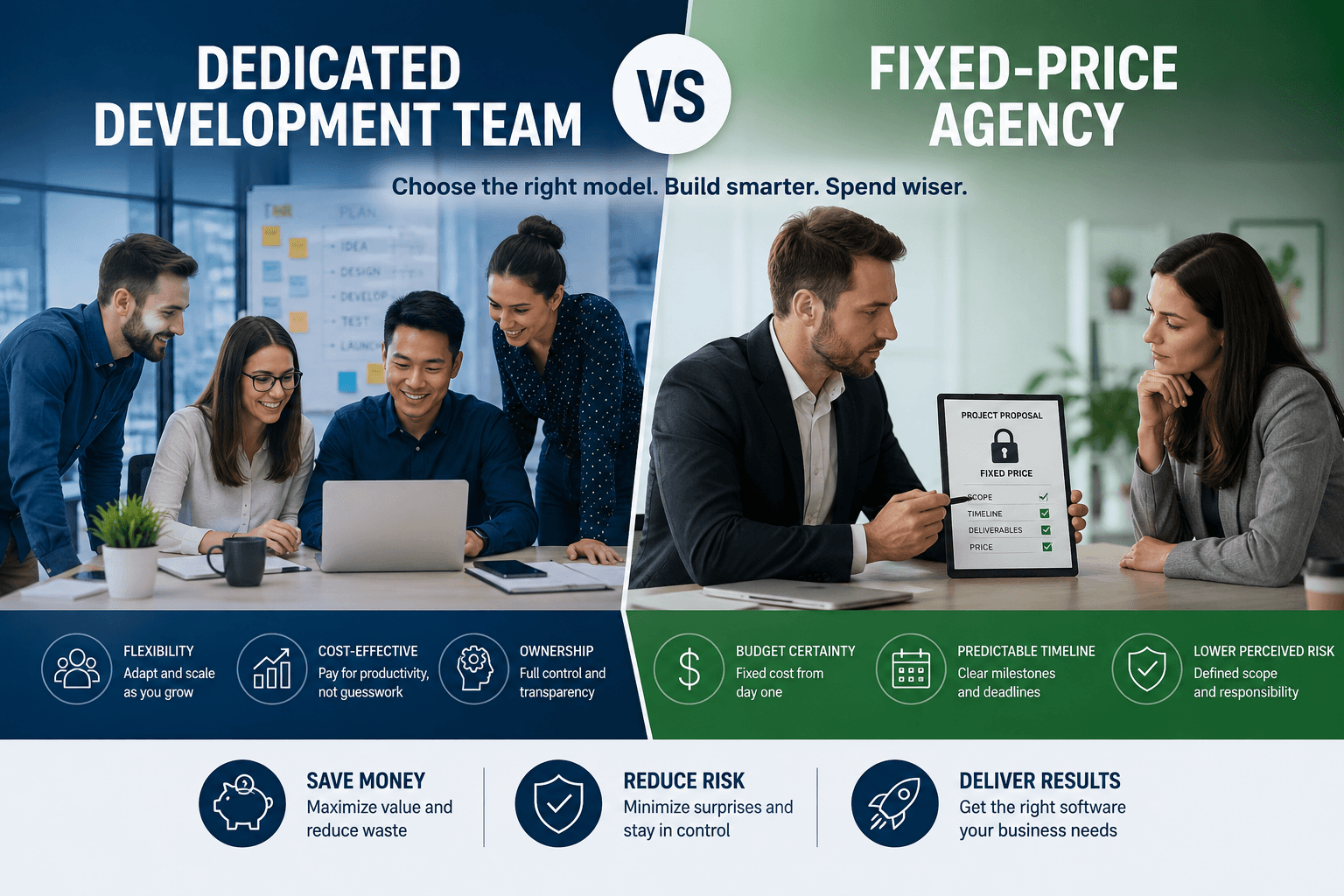
Any quote given before a thorough discovery phase is essentially a guess. Agencies that hand you a fixed price on day one, before understanding your integrations, data model, user flows, and edge cases, are telling you what you want to hear rather than what is accurate.
The Wrong Thing Gets Built
This is the most painful outcome. You invest months and significant budget into a product, only to find that it does not match how your users actually work, or that a critical workflow was never accounted for. A good discovery phase surfaces these issues before a single feature is coded.
Communication Breaks Down
When the team does not fully understand your business, miscommunications pile up. You end up spending your time explaining context that should have been captured upfront, and the back-and-forth slows everything down.
What a High-Quality Discovery Phase Looks Like in Practice
Not all discovery processes are equal. Here is what separates a thorough, professional discovery engagement from a surface-level checkbox exercise.
Dedicated time and structured sessions. A real discovery phase is calendared and facilitated. It involves structured interviews with key stakeholders, not just a single one-hour call.
Cross-functional involvement. Good discovery teams bring in a product strategist, a technical architect, and sometimes a UX designer. You are not just talking to a salesperson who hands notes off to a developer later.
Documented deliverables. At the end of discovery, you should receive tangible documentation. At minimum, this should include a scope document, a feature list with priorities, a technical architecture overview, and a phased roadmap. If the agency ends discovery with a verbal summary and a new invoice, something is missing.
Honest pushback. A strong discovery process includes the agency challenging your assumptions. If every idea you bring to the table is met with enthusiasm and zero critical questions, that is a sign the team is more interested in winning the project than in helping you succeed.
A realistic estimate you can trust. Post-discovery, the project estimate should be grounded in actual requirements. There will still be some flexibility, especially on longer projects, but the range should be meaningful and defensible.
Questions to Ask Any Agency Before You Hire Them
When evaluating development partners, use the discovery phase as a litmus test. Here are questions worth asking:
Do you offer a dedicated discovery phase before scoping the full project?
What deliverables do we receive at the end of discovery?
Who leads the discovery sessions, and what is their background?
How does your estimate change after discovery compared to your initial range?
Can you share an example of how discovery changed the direction of a past project?
How an agency answers these questions will tell you a great deal about their process, their honesty, and whether they are the right fit for your project.
The Investment Is Worth It
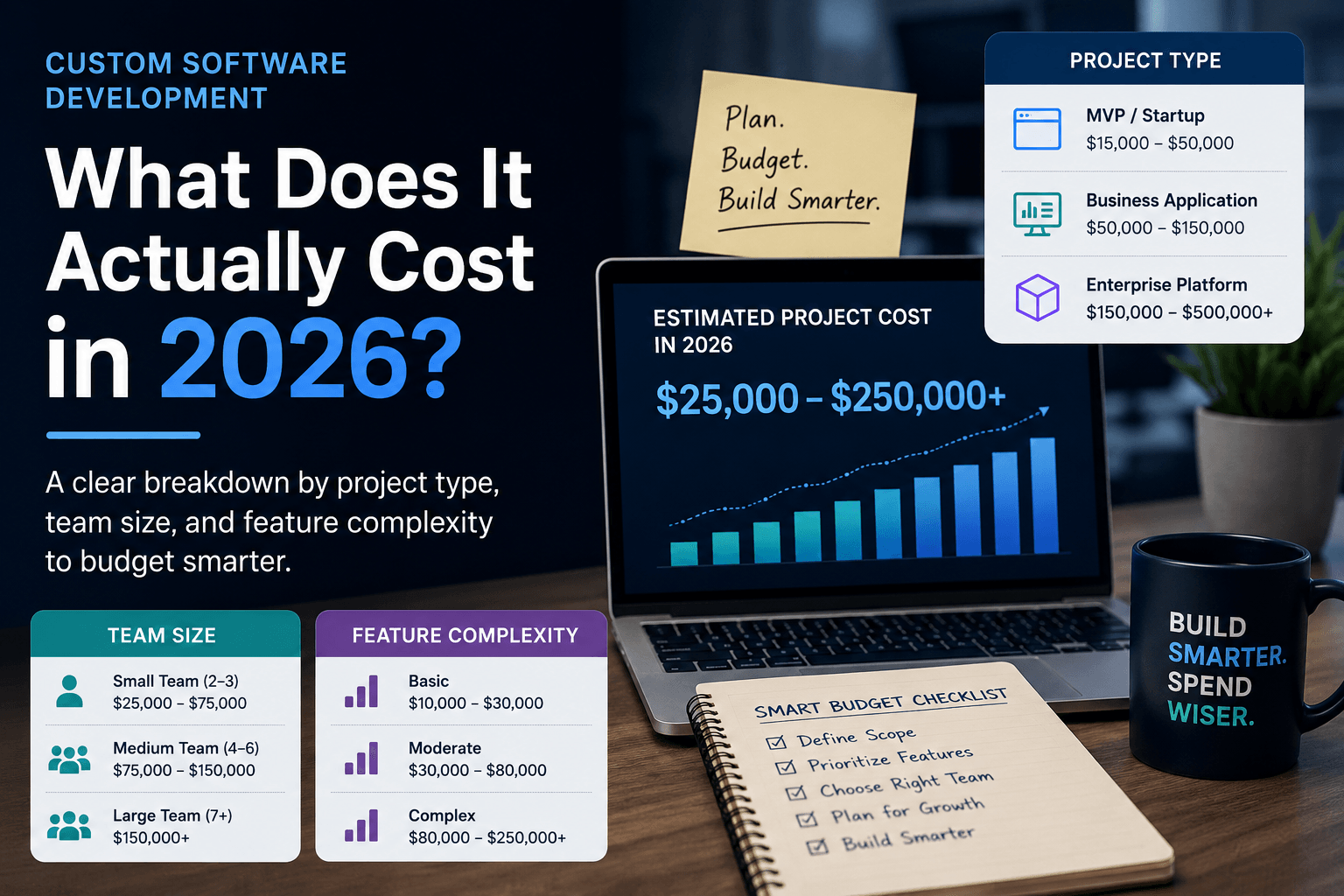
Some business owners hesitate when they learn that discovery is a separate, paid engagement. That hesitation is understandable, but consider the alternative. Spending a few thousand dollars on a thorough discovery process can save you from spending tens of thousands on features that need to be rebuilt, timelines that double, or a product that misses its market entirely.
Discovery is not overhead. It is risk management. It is the difference between a project that delivers value and one that drains it.
At NextGen Software, based in Boca Raton, FL, we treat discovery as a non-negotiable first step for every custom software engagement, whether we are building a web app, a mobile product, a SaaS platform, or an AI-powered workflow. Our team takes the time to understand your business before we prescribe a solution, because we have seen firsthand what happens when that step gets skipped.
If you are evaluating your options for a software project and want to start with a conversation that is genuinely focused on your goals, visit nextgensoftware.us and schedule a free discovery call. There is no pitch, no pressure, and no commitment required.