How to Add Agentic AI to Your SaaS Product
What Is Agentic AI and Why Does It Matter for SaaS?
If you have been following AI trends, you have probably heard the term agentic AI showing up everywhere. But what does it actually mean for your SaaS product?
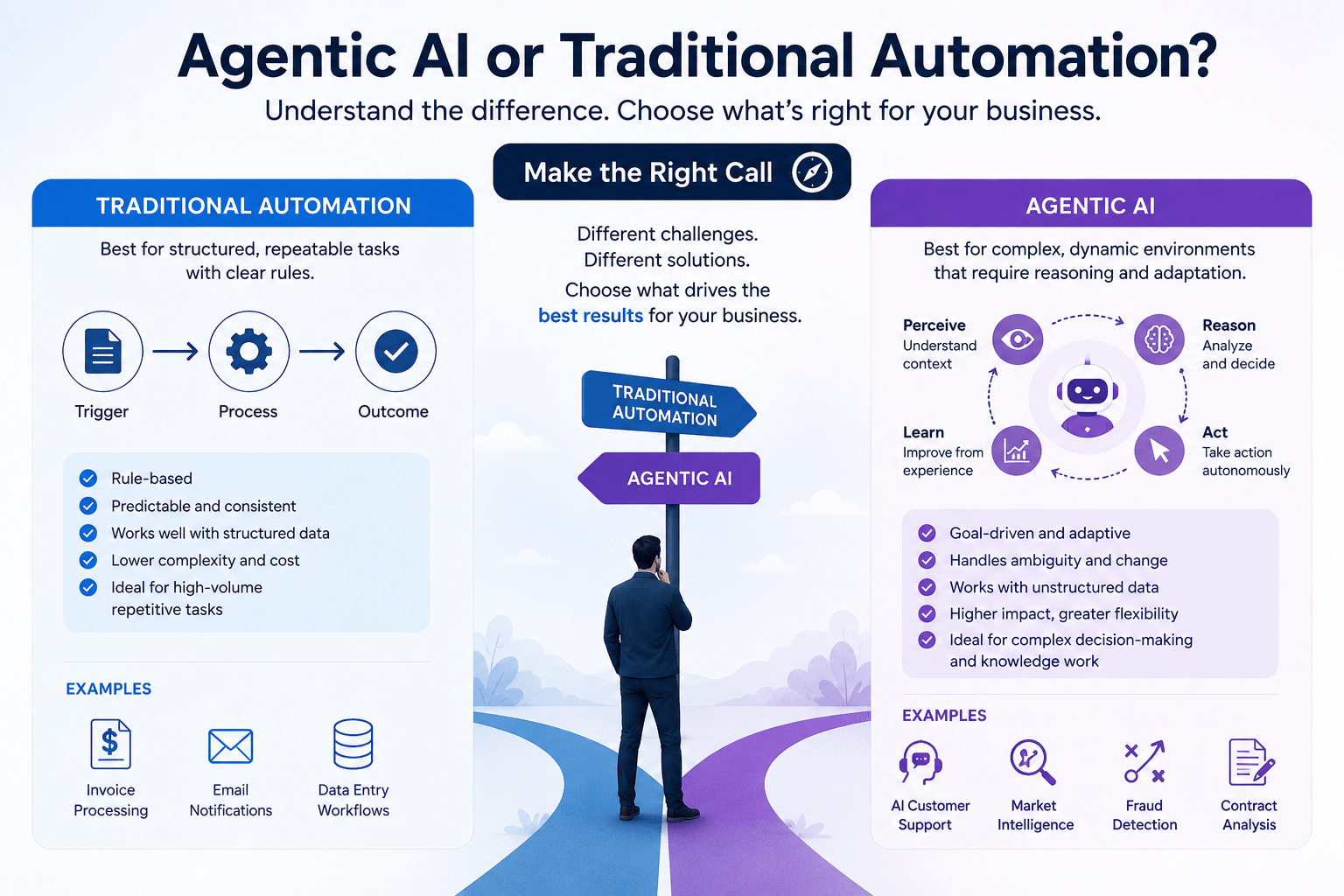
Unlike a basic chatbot that answers a single question and stops, an agentic AI system can take a sequence of actions, make decisions, use tools, and complete multi-step goals on behalf of a user. Think of it as a digital employee that understands a goal, figures out the steps needed to reach it, and executes those steps autonomously.
For SaaS founders and product owners, this is a significant shift. It means your software can move from being a passive tool your users operate to being an active assistant that does the work for them. That shift directly impacts retention, time-to-value, and competitive positioning.
Common Use Cases for Agentic AI in SaaS Products
Before deciding whether to add agentic AI, it helps to see where it creates the most impact. Here are some of the most practical applications across different SaaS categories:
CRM and Sales Tools: An AI agent can research leads, draft personalized outreach emails, schedule follow-ups, and update deal stages automatically.
Project Management Platforms: Agents can break a goal into tasks, assign them based on team capacity, send reminders, and surface blockers before they become problems.
Marketing Software: Agents can run A/B test cycles, analyze results, adjust ad copy, and generate performance reports without manual input.
Finance and Operations Tools: Agents can reconcile transactions, flag anomalies, generate summaries, and trigger approval workflows.
Customer Support Platforms: Agents can resolve common tickets end-to-end, escalate complex issues to humans, and update knowledge bases based on recurring questions.
The common thread in all of these is that the agent is not just responding. It is reasoning, acting, and iterating until the job is done.
The Core Architecture: What You Are Actually Building
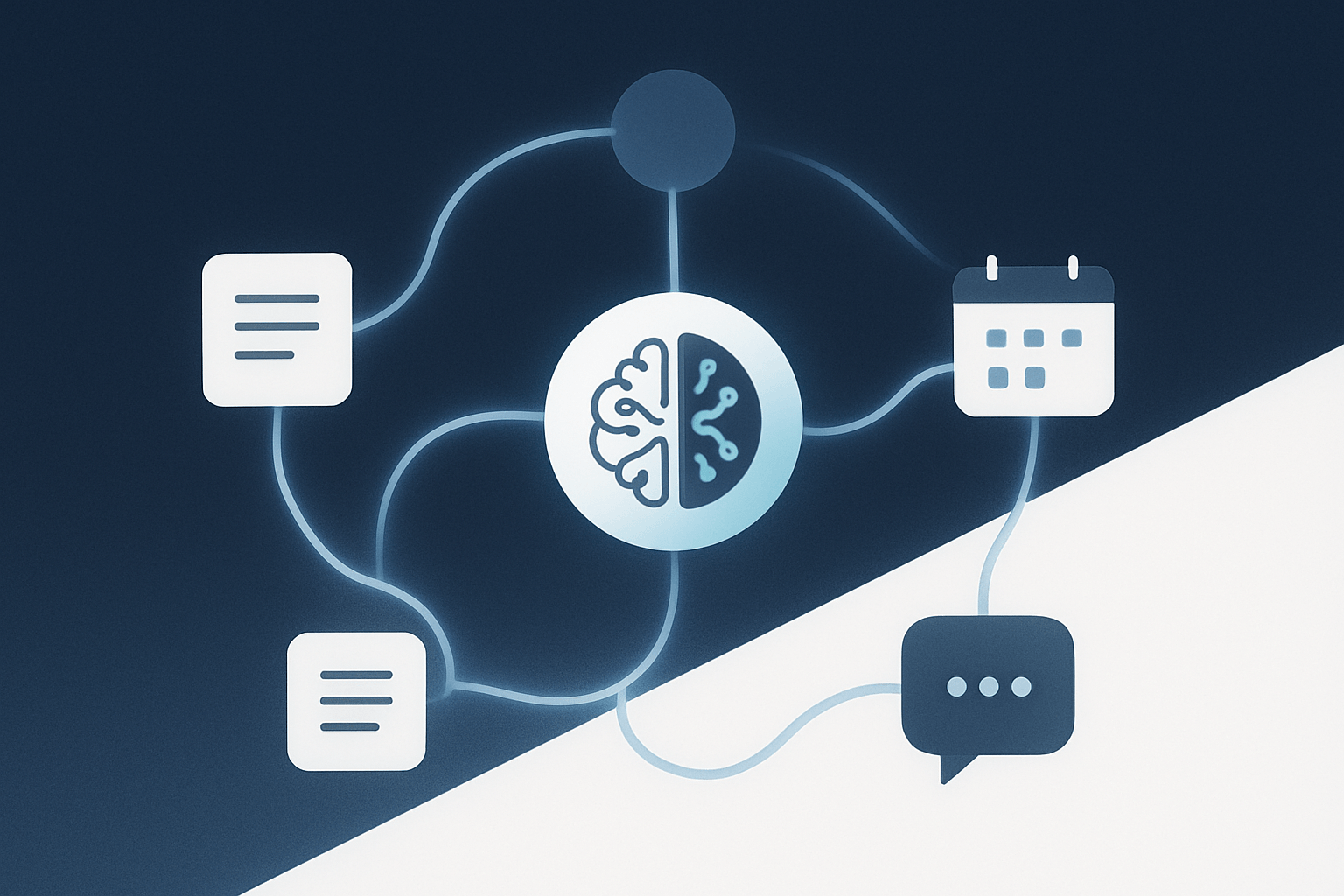
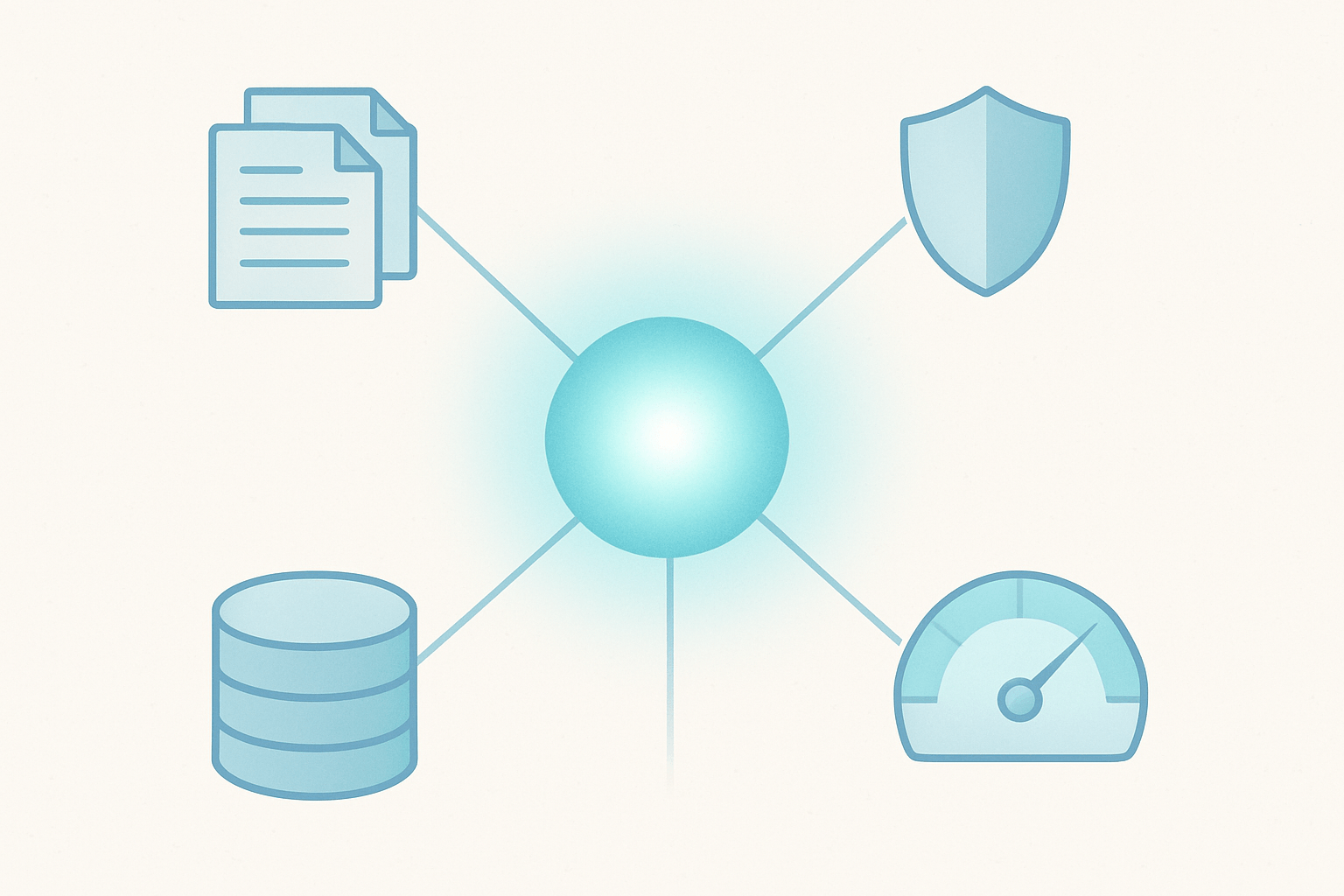
Adding agentic AI to a SaaS product is not as simple as plugging in an API key. There are several architectural layers you need to think through.
1. The Foundation Model
This is the large language model (LLM) that powers reasoning. Popular choices include OpenAI's GPT-4o, Anthropic's Claude, and Google's Gemini. Each has different strengths around context window size, cost, speed, and reasoning depth. Your choice here depends on your use case and budget.
2. The Agent Orchestration Layer
This is the logic that tells the model what goal it is working toward, what tools it has access to, and how to handle errors or unexpected results. Frameworks like LangChain, LlamaIndex, and CrewAI are commonly used here. This layer is where most of the custom engineering work happens.
3. Tools and Integrations
Agents are only useful if they can actually do things. That means connecting them to your existing features through internal APIs, as well as external services like calendars, email, databases, and third-party platforms. Every action the agent can take needs to be defined as a callable tool with clear inputs and outputs.
4. Memory and Context Management
For an agent to feel intelligent and consistent, it needs to remember things across sessions. This involves short-term memory (within a session), long-term memory (stored in a vector database like Pinecone or Weaviate), and user-specific context like preferences and history.
5. Human-in-the-Loop Controls
This is often overlooked but critical for business software. You need mechanisms that allow users to review, approve, or override agent actions before they execute, especially for anything that sends emails, spends money, or modifies important records. Trust is built incrementally, and giving users control is what makes adoption stick.
How to Evaluate Whether Your Product Is Ready
Not every SaaS product is in the right position to add agentic AI today. Here are a few honest questions to ask before you invest:
Do you have clean, accessible APIs? Agents need structured ways to interact with your product. If your internal architecture is tightly coupled or poorly documented, that needs to come first.
Do you understand your users' repetitive tasks? Agentic AI has the highest ROI when it automates something your users do dozens of times per week. If you are not sure what that is, talk to your customers before writing a line of code.
Do you have a feedback loop in place? Agent behavior improves over time, but only if you are capturing what worked and what did not. You need logging, monitoring, and a process for reviewing agent outputs.
Is your team prepared to maintain it? AI agents are not set-and-forget features. They require prompt engineering, model updates, and ongoing evaluation as your product evolves.
If you answered yes to most of these, you are in a strong position to move forward.
A Practical Roadmap for Getting Started
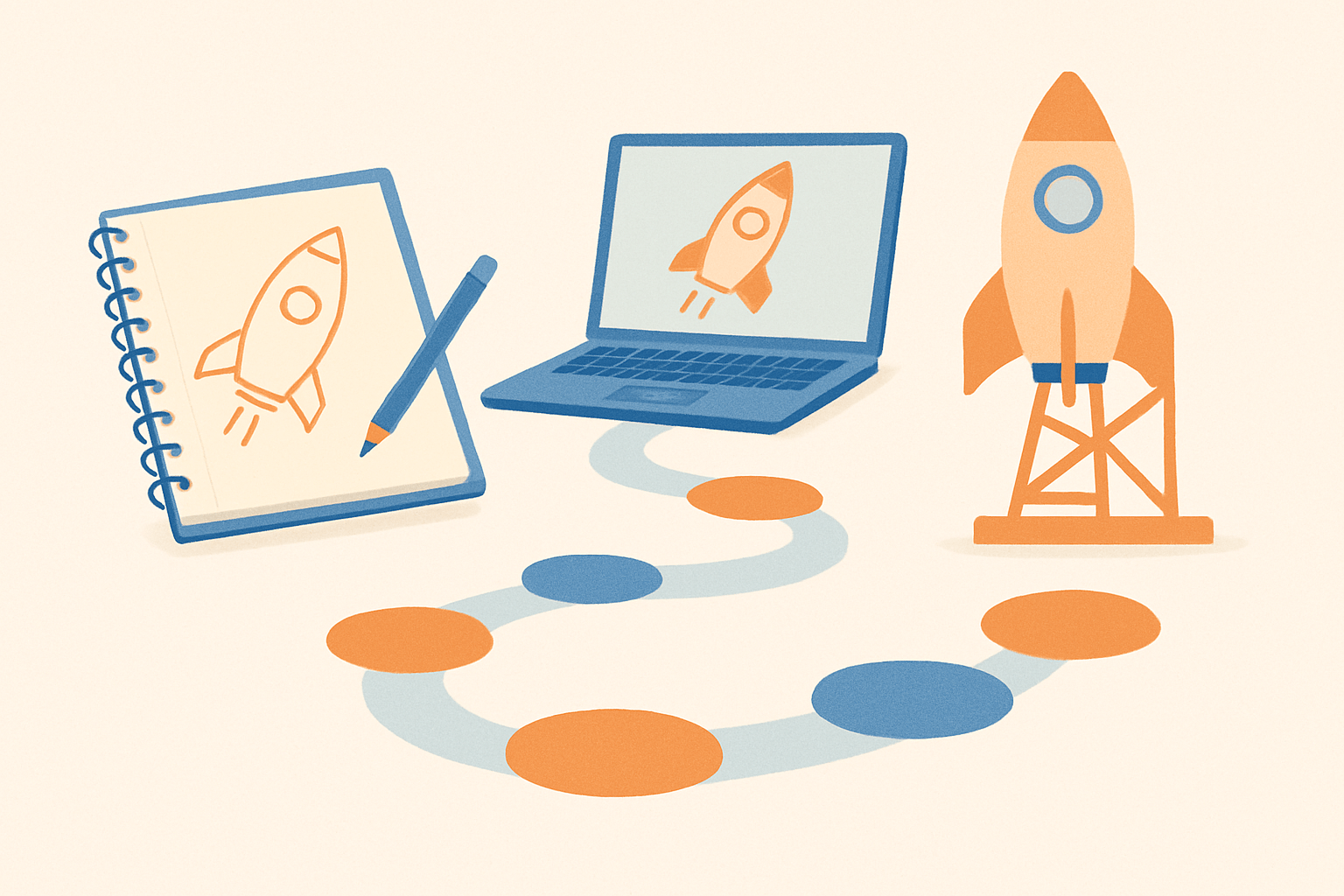
Here is a sensible phased approach that reduces risk and delivers value incrementally:
Phase 1 - Define the Agent's Scope
Pick one well-defined task that your users find tedious and time-consuming. Narrow is better than broad at this stage. Write out the exact steps a human takes to complete that task today.
Phase 2 - Build and Test the Tool Layer
Create the API endpoints or internal functions the agent will call. Test these independently before attaching any AI logic. Solid tooling is the foundation everything else depends on.
Phase 3 - Prototype the Agent
Connect your chosen LLM and orchestration framework. Run the agent against real scenarios in a staging environment. Focus on reliability and predictability, not just capability.
Phase 4 - Add Memory and Personalization
Once the core loop works, layer in memory so the agent can reference past interactions and user preferences. This is what makes the experience feel genuinely intelligent rather than generic.
Phase 5 - Launch with Guardrails
Release to a small group of users with strong human-in-the-loop controls enabled. Collect feedback, monitor outputs, and adjust before a broader rollout.
Building In-House vs. Working With a Development Partner
One of the most common questions founders ask is whether to build agentic AI capabilities internally or bring in outside expertise.
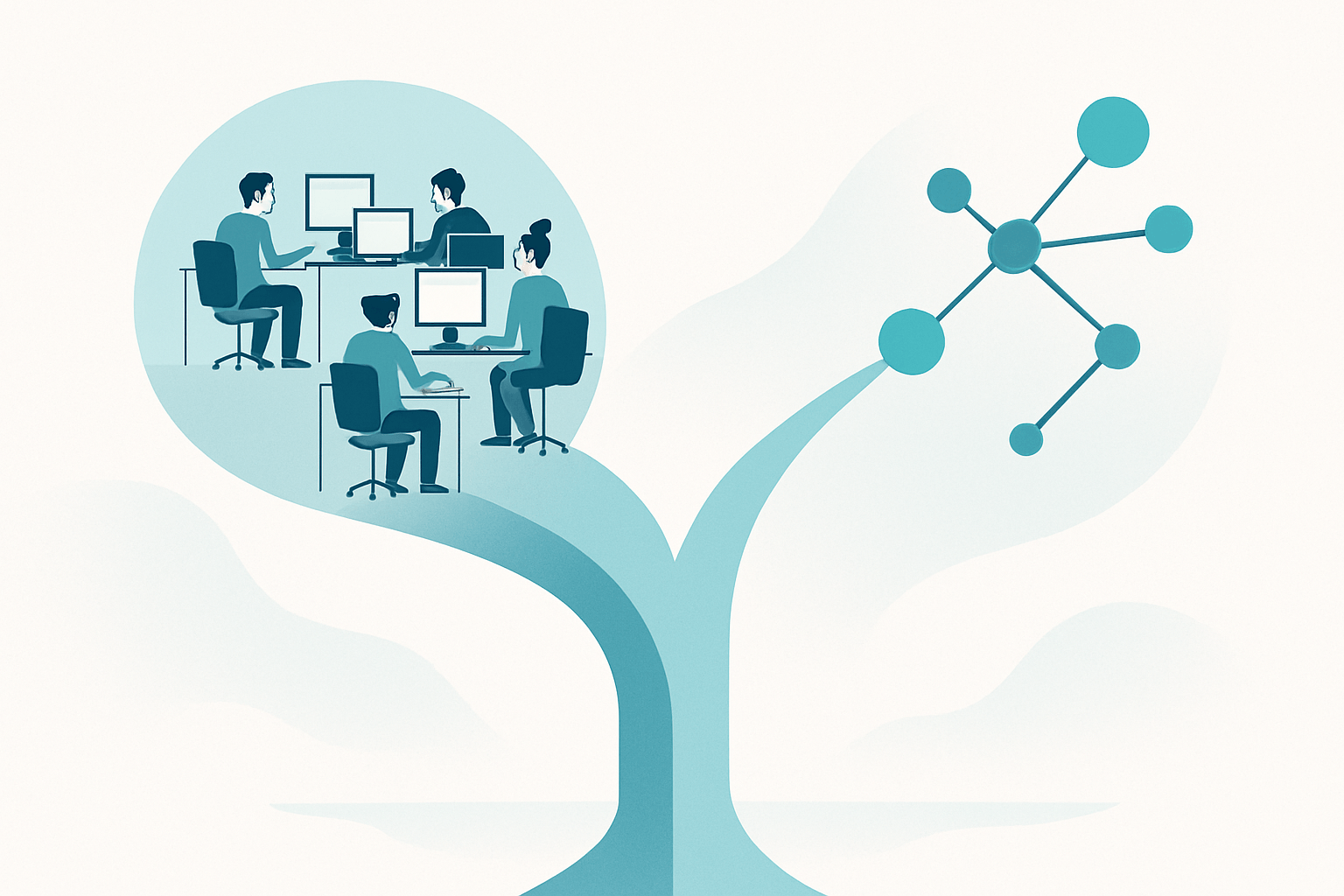
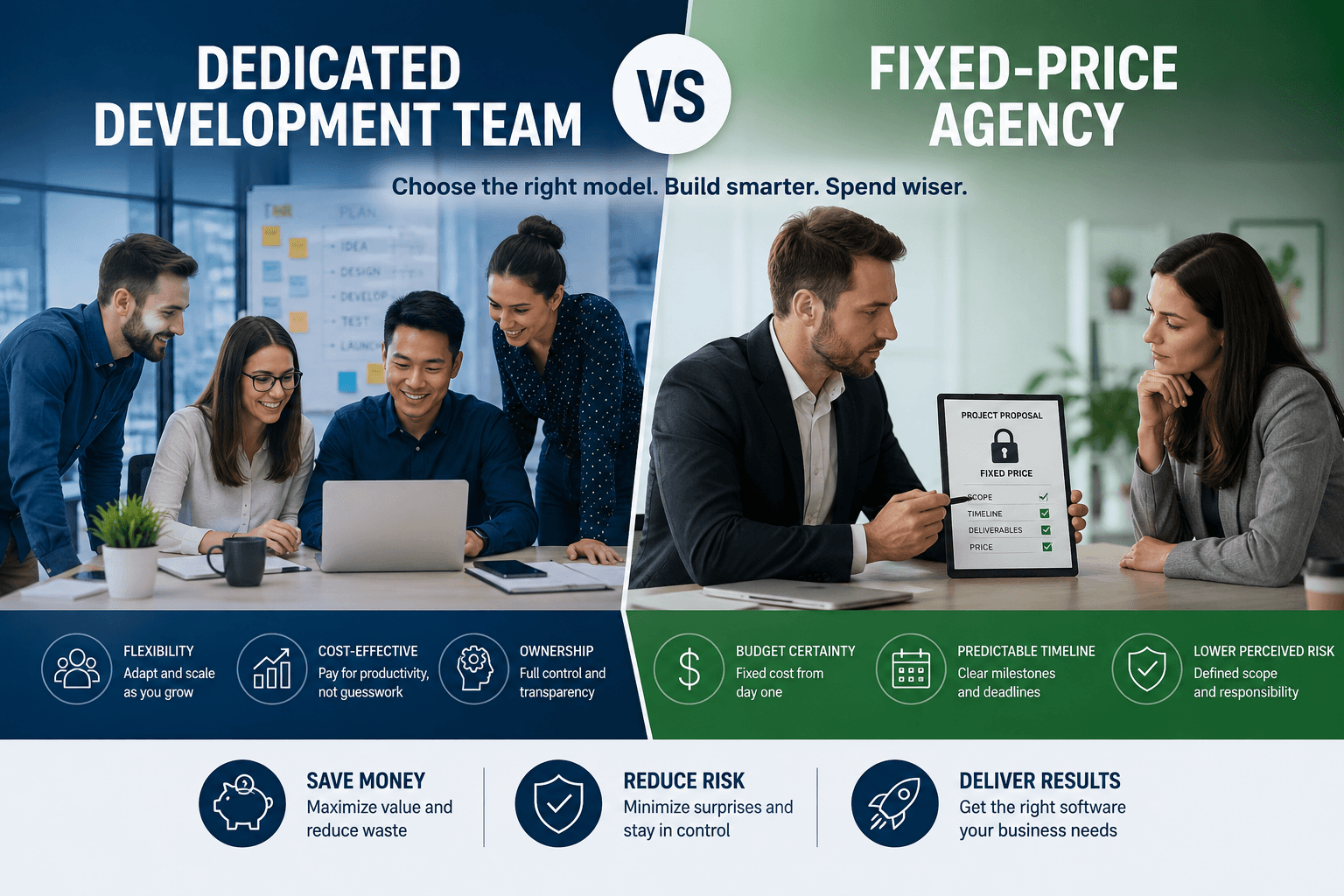
Building in-house gives you full control, but it requires specialized skills across LLM engineering, prompt design, backend architecture, and AI safety. That is a significant hiring challenge, especially for teams that are already stretched.
Working with a development partner who specializes in AI integration can accelerate your timeline considerably. A good partner brings proven patterns, avoids common pitfalls, and can hand off the codebase to your team once the foundation is solid.
The right answer depends on your timeline, budget, and internal capabilities. But for most startups and growing SaaS companies, a hybrid approach works best: an external partner handles the initial architecture and build, while your internal team owns ongoing iteration.
Ready to Add Agentic AI to Your Product?
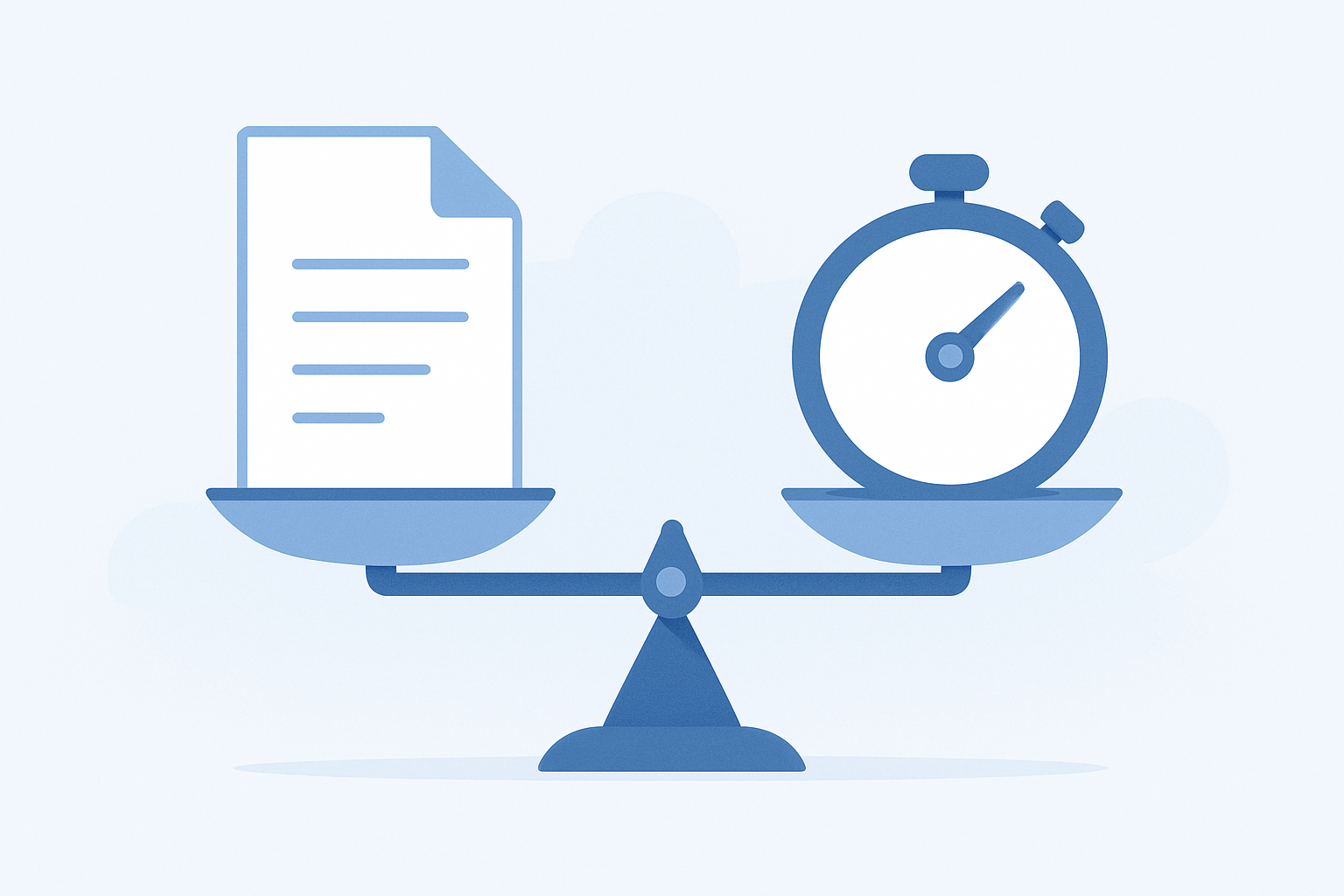
Adding agentic AI to a SaaS product is one of the most impactful investments a founder can make right now, but only when it is done thoughtfully. The companies that will win are not the ones who rush an AI feature to market. They are the ones who deeply understand their users, build reliable tooling, and ship agents that actually make people's lives easier.
If you are exploring what this could look like for your product, NextGen Software works with startups and growing businesses in Boca Raton and beyond to design and build custom AI-powered software. From initial architecture reviews to full-scale agentic AI builds, the team at NextGen brings both technical depth and product thinking to every engagement. Visit nextgensoftware.us to schedule a free discovery call and talk through what is possible for your specific use case.