What Is RAG? A Plain-English Guide for Business Owners
What Is RAG? A Plain-English Guide for Business Owners Building AI Tools
If you have been researching AI for your business, you may have stumbled across the term RAG and walked away more confused than when you started. Technical definitions full of phrases like "vector embeddings" and "semantic search" do not exactly help.
This guide cuts through the jargon. By the end, you will understand what RAG is, why it matters, and how to know whether it belongs in the AI tool you are planning to build.
What Does RAG Stand For?
RAG stands for Retrieval-Augmented Generation. Break that down word by word and it becomes much easier to grasp:
Retrieval - the system goes and finds relevant information from a specific source.
Augmented - that retrieved information is added to the conversation before the AI responds.
Generation - the AI uses everything it now knows to generate a helpful, accurate answer.
In short, RAG is a method for giving an AI model access to your own data so it can answer questions accurately, instead of guessing or hallucinating an answer.
The Problem RAG Solves
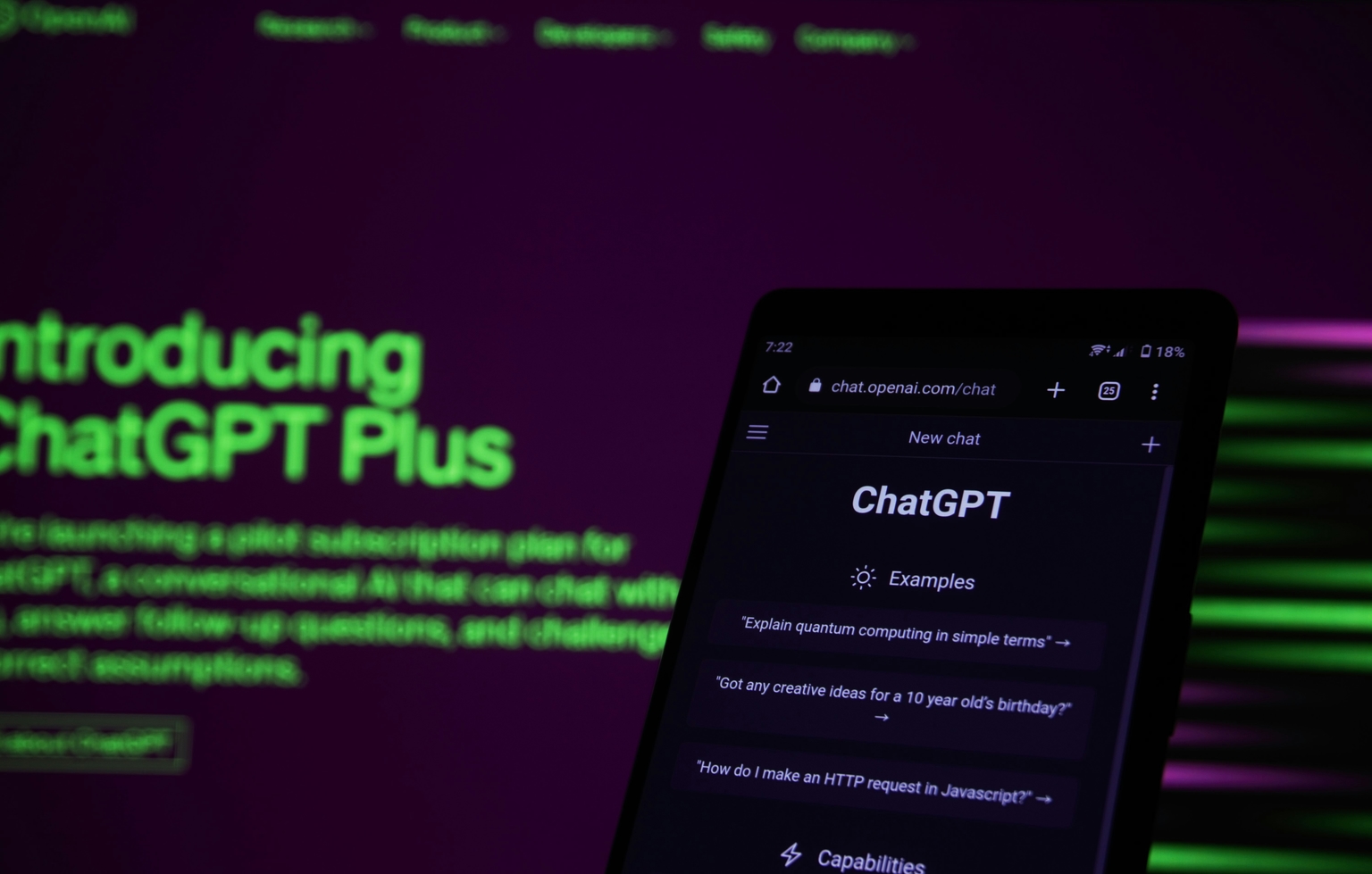
To understand why RAG exists, you first need to understand a major limitation of standard AI models like ChatGPT.
Those models are trained on a massive snapshot of internet data up to a certain point in time. Once training is complete, the model is frozen. It does not know about anything that happened after its cutoff date, and it certainly does not know anything about your specific business, your products, your policies, or your customers.
If you ask a standard AI chatbot "What is the return policy for our premium subscription?" it has no idea. It might make something up that sounds plausible, which is the last thing you want when a customer is waiting for a real answer.
This is sometimes called hallucination, and it is one of the most frustrating problems businesses run into when trying to deploy AI.
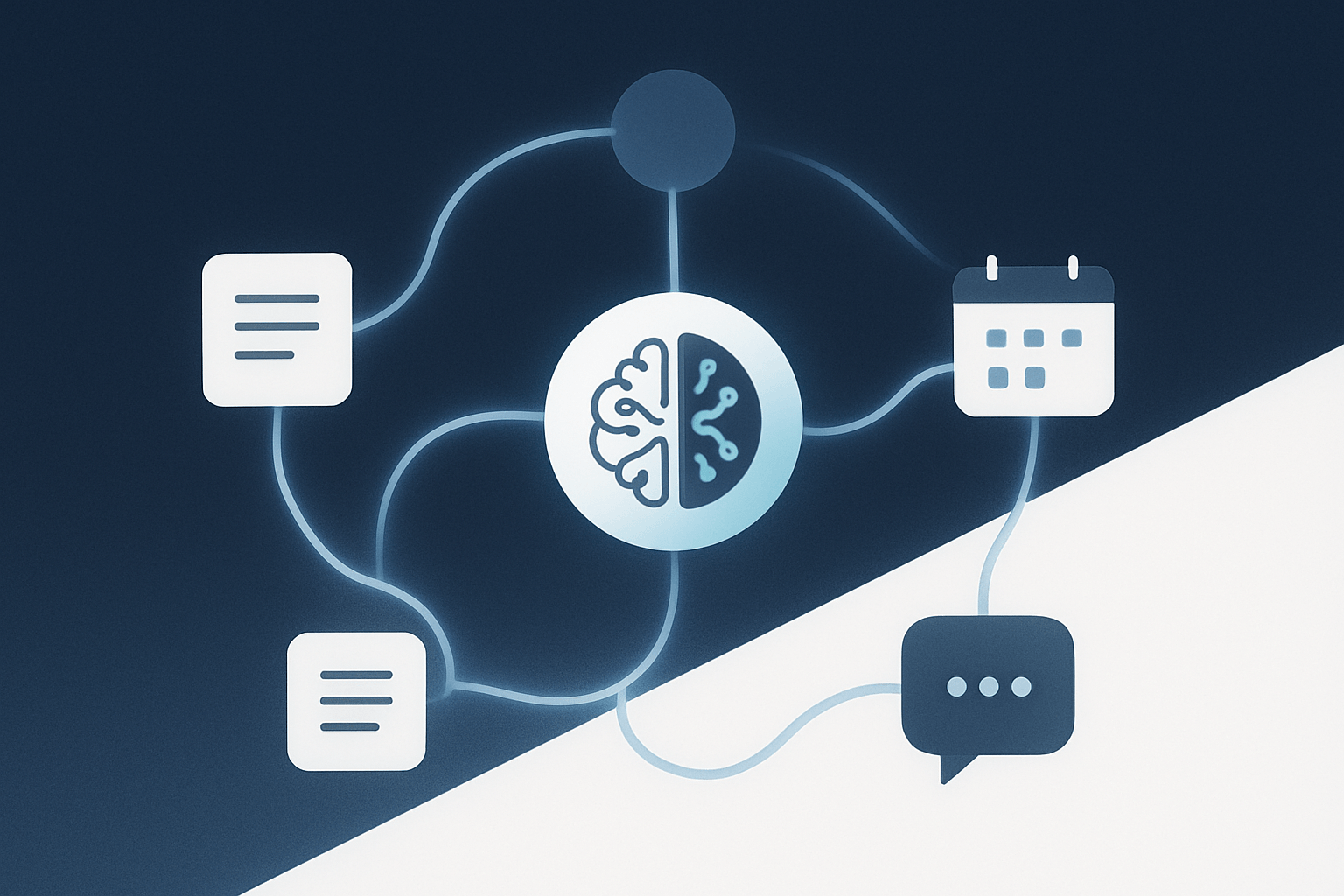
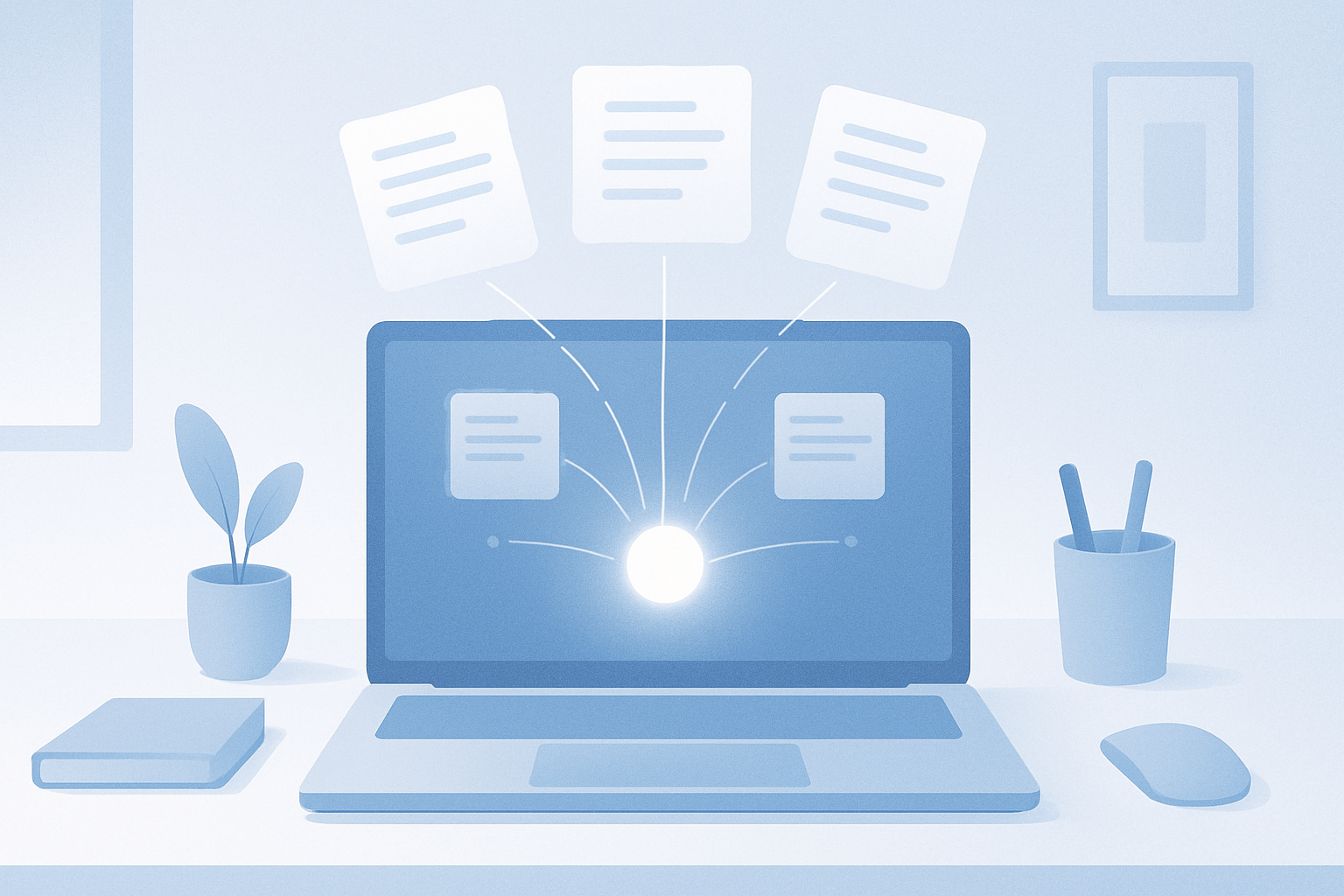
RAG solves this by giving the AI a reliable reference point before it answers. Instead of relying on general training data, the system first searches your documents, database, or knowledge base to find the most relevant information. Then it hands that information to the AI model along with the user's question. The AI responds based on what it actually found, not what it guesses might be true.
How RAG Works: A Simple Walkthrough
Here is a real-world example. Imagine you run a logistics company and you want to build an internal AI assistant that employees can ask about shipment procedures, compliance rules, and vendor contacts.
Here is what happens when an employee asks: "What is our protocol for damaged freight claims?"
1. The question is received. The employee types the question into the AI assistant.
2. The system searches your documents. Behind the scenes, RAG searches your uploaded policy manuals, training documents, and SOPs for content related to damaged freight claims.
3. Relevant content is retrieved. The system pulls the most relevant sections from those documents.
4. The AI generates a response. The AI reads both the employee's question and the retrieved content, then writes a clear, accurate answer.
5. The employee gets a reliable answer. The response is grounded in your actual company documentation, not a generic AI guess.
This entire process happens in seconds. The employee gets a useful answer, and you maintain control over the information the AI is allowed to reference.
Real Business Use Cases for RAG
RAG is not just a technical novelty. It solves practical business problems across many industries. Here are a few examples of how growing companies are putting it to work:
Customer support chatbots that answer product questions using your actual documentation and FAQs, rather than generic responses.
Internal knowledge bases where employees can search company policies, HR handbooks, and training materials using plain conversational questions.
Legal and compliance tools that help teams quickly surface relevant regulations or contract clauses without manually searching through hundreds of pages.
Sales enablement assistants that pull from your product catalog, pricing sheets, and case studies to help reps respond faster and more accurately.
Healthcare patient portals where patients can ask questions and receive answers grounded in provider-approved content.
The common thread in all of these use cases: the business needs the AI to work with specific, trusted information rather than open-ended internet knowledge.
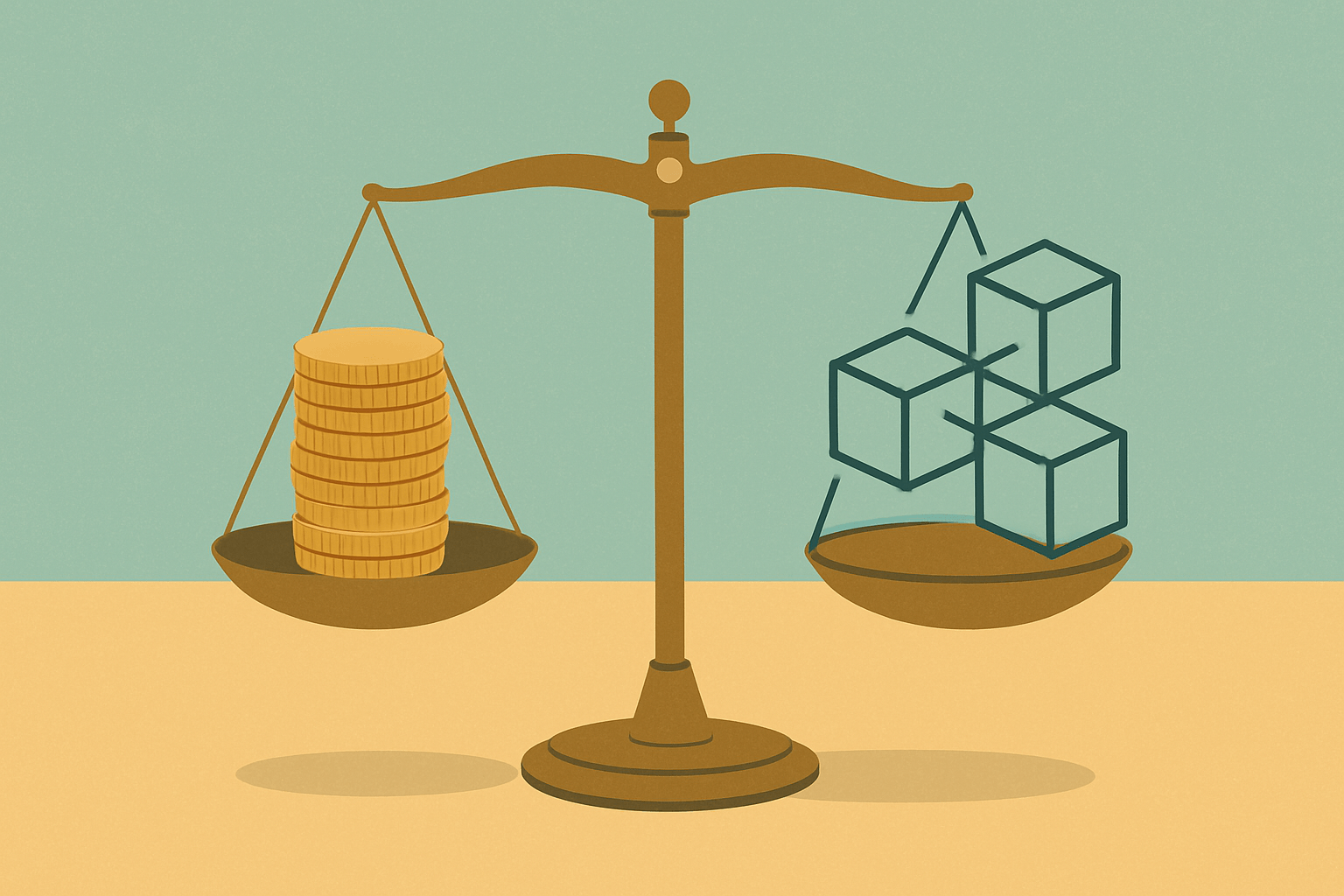
RAG vs. Fine-Tuning: Which One Do You Need?
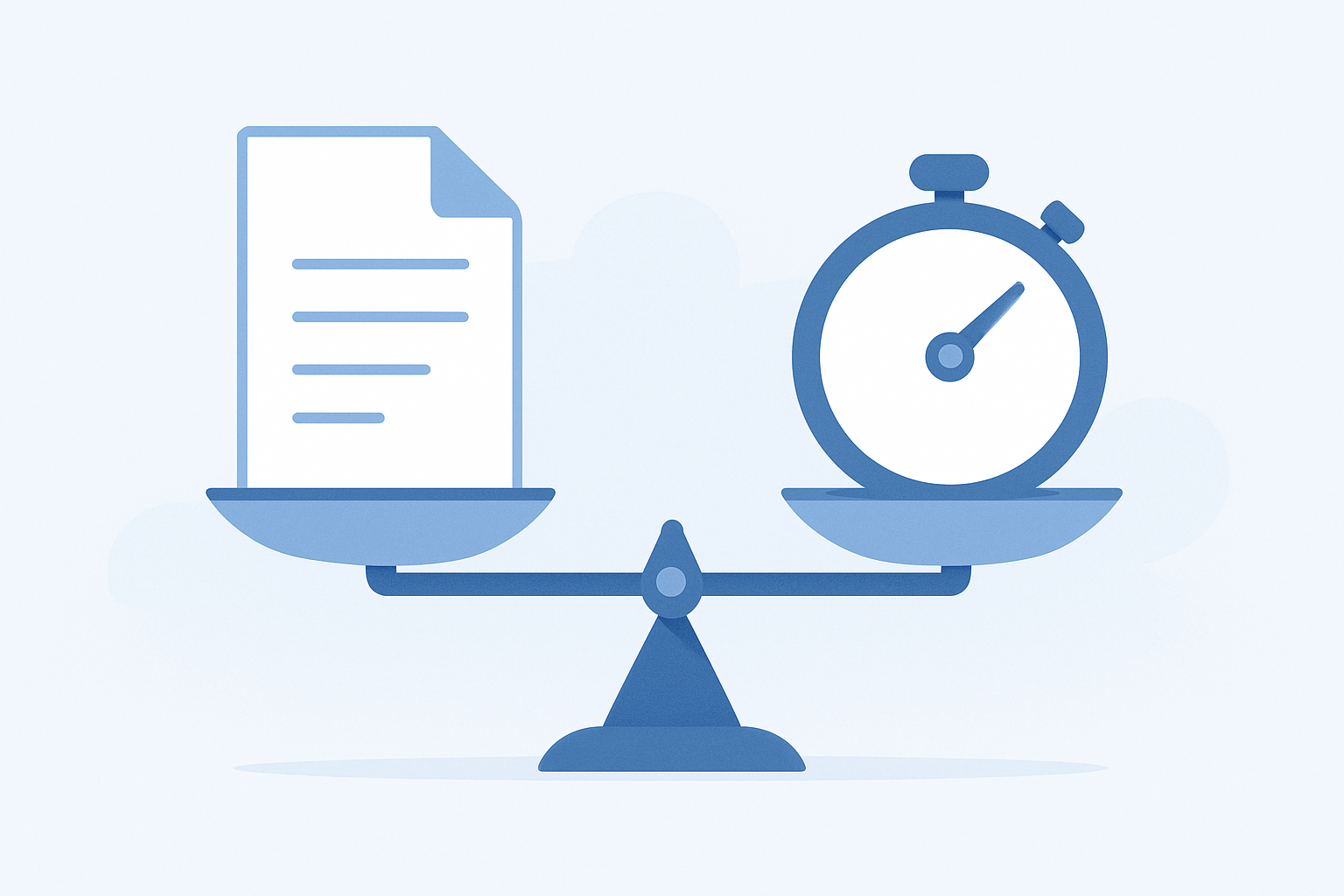
When business owners start researching AI customization, they often encounter two options: RAG and fine-tuning. Here is a quick comparison so you can have a more informed conversation with your development team.
Fine-tuning involves retraining an existing AI model on your specific data. The model learns from your content during a training process and bakes that knowledge into itself permanently. This is expensive, time-consuming, and requires a large volume of high-quality training data.
RAG, on the other hand, does not retrain the model at all. Instead, it connects the model to an external knowledge source at the time of each query. This means:
It is faster and more affordable to build.
Your knowledge base can be updated at any time without retraining.
The AI can reference the very latest version of your documents.
It is easier to audit because you can trace exactly where each answer came from.
For most small to mid-sized businesses, RAG is the smarter starting point. Fine-tuning makes more sense when you need the AI to adopt a very specific communication style or handle a highly specialized task that requires deep domain expertise baked into the model itself.
What to Consider Before Building a RAG-Powered Tool
If you are serious about building a RAG-based AI tool, here are the questions worth thinking through before you meet with a development team:
What data will the AI reference? Documents, PDFs, databases, CRMs, and spreadsheets can all serve as knowledge sources, but they each require different handling.
How often does your data change? If your information updates frequently, you need a system that can re-index new content quickly.
Who will use it and how? Internal teams have different needs than external customers. The interface and permissions will differ.
What does a wrong answer cost you? In low-stakes settings, occasional errors are manageable. In legal, medical, or financial contexts, accuracy is non-negotiable and your architecture needs to reflect that.
How will you measure success? Define what a good answer looks like before you build, so you can test and improve the system over time.
Ready to Build Something Smarter?
RAG is one of the most practical and powerful tools available to businesses that want to get real value out of AI, without waiting years for a model to be trained from scratch. It is faster to deploy, easier to maintain, and far more accurate when you need the AI to work with your specific information.
If you are exploring a custom AI tool for your business and want to understand whether RAG is the right fit, the team at NextGen Software in Boca Raton, FL can walk you through your options in plain language. We build custom web apps, AI automation tools, and API integrations for startups and growing businesses, and we love helping founders make smart technical decisions before a single line of code is written. Visit nextgensoftware.us to schedule a free discovery call and let us help you figure out the right approach for your goals.