Mobile App vs. Mobile Web App: Which Is Right for You?
Mobile App vs. Mobile Web App: Which Is Right for Your Business?
If you are planning to reach customers or serve your team through a mobile experience, you will eventually face a question that trips up a lot of founders and business owners: do you need a standalone native mobile app, or will a mobile-optimized web app get the job done?
The answer is not always obvious, and the wrong choice can cost you time, money, and user satisfaction. This guide walks you through the real business trade-offs, not just the technical ones, so you can make a confident, informed decision.
What Is the Difference Between the Two?
Before comparing costs and use cases, it helps to understand what each option actually is.
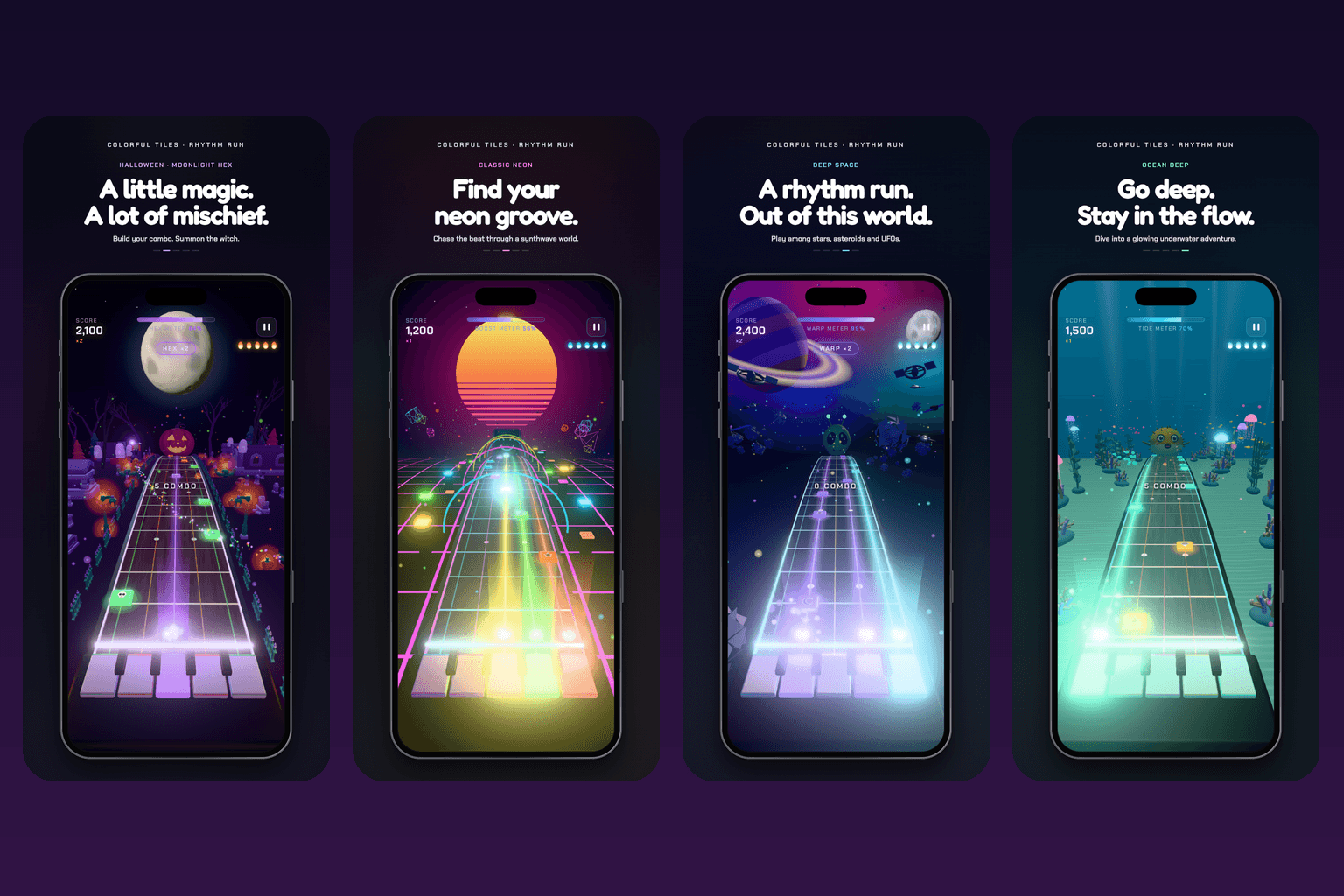
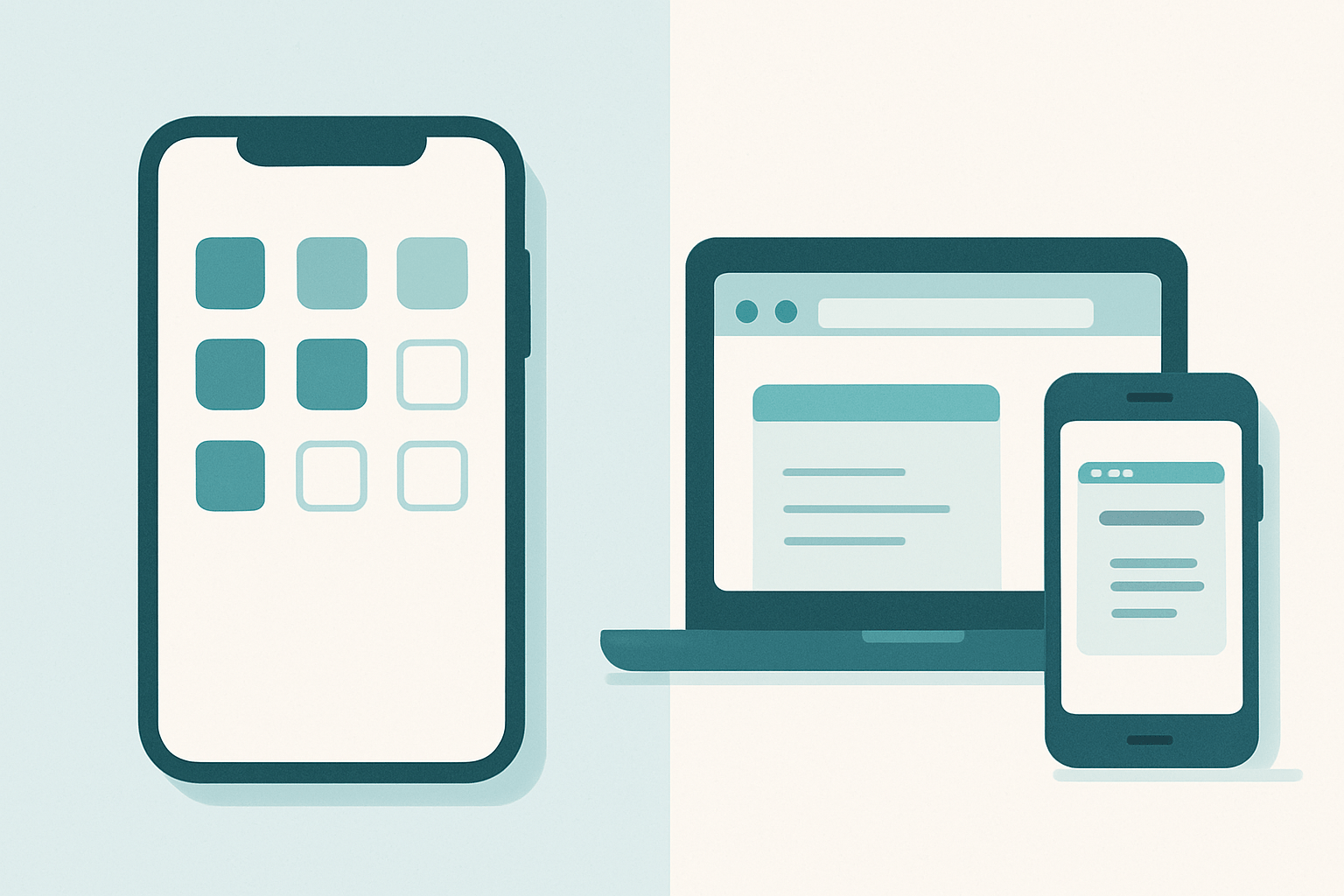
A standalone mobile app (also called a native app) is a piece of software downloaded and installed directly on a user's device through the Apple App Store or Google Play Store. It is built specifically for iOS or Android and can access device hardware like the camera, GPS, push notifications, and Bluetooth.
A mobile-optimized web app is essentially a website or web-based application that is designed to look and function beautifully on a smartphone or tablet. Users access it through a browser, no download required. A Progressive Web App (PWA) is a more advanced version of this that can be saved to the home screen and even work offline to a limited degree.
Both approaches are legitimate, and both can deliver excellent user experiences. The right choice depends entirely on your business goals.
When a Standalone Mobile App Makes More Sense
There are specific situations where investing in a native mobile app is clearly the better business decision.
You Need Deep Device Integration
If your product depends on accessing the phone's camera, microphone, GPS, accelerometer, or Bluetooth, a native app gives you far more reliable and powerful access to those features. Think of field service apps, health and fitness trackers, or logistics tools that need real-time location data.
Your Users Will Engage Daily or Multiple Times a Day
Push notifications are one of the most powerful re-engagement tools in mobile. Native apps can send alerts directly to a user's lock screen, which drives significantly higher open rates compared to email or browser-based notifications. If your business model depends on habitual daily use, that direct channel matters.
Offline Functionality Is a Core Requirement
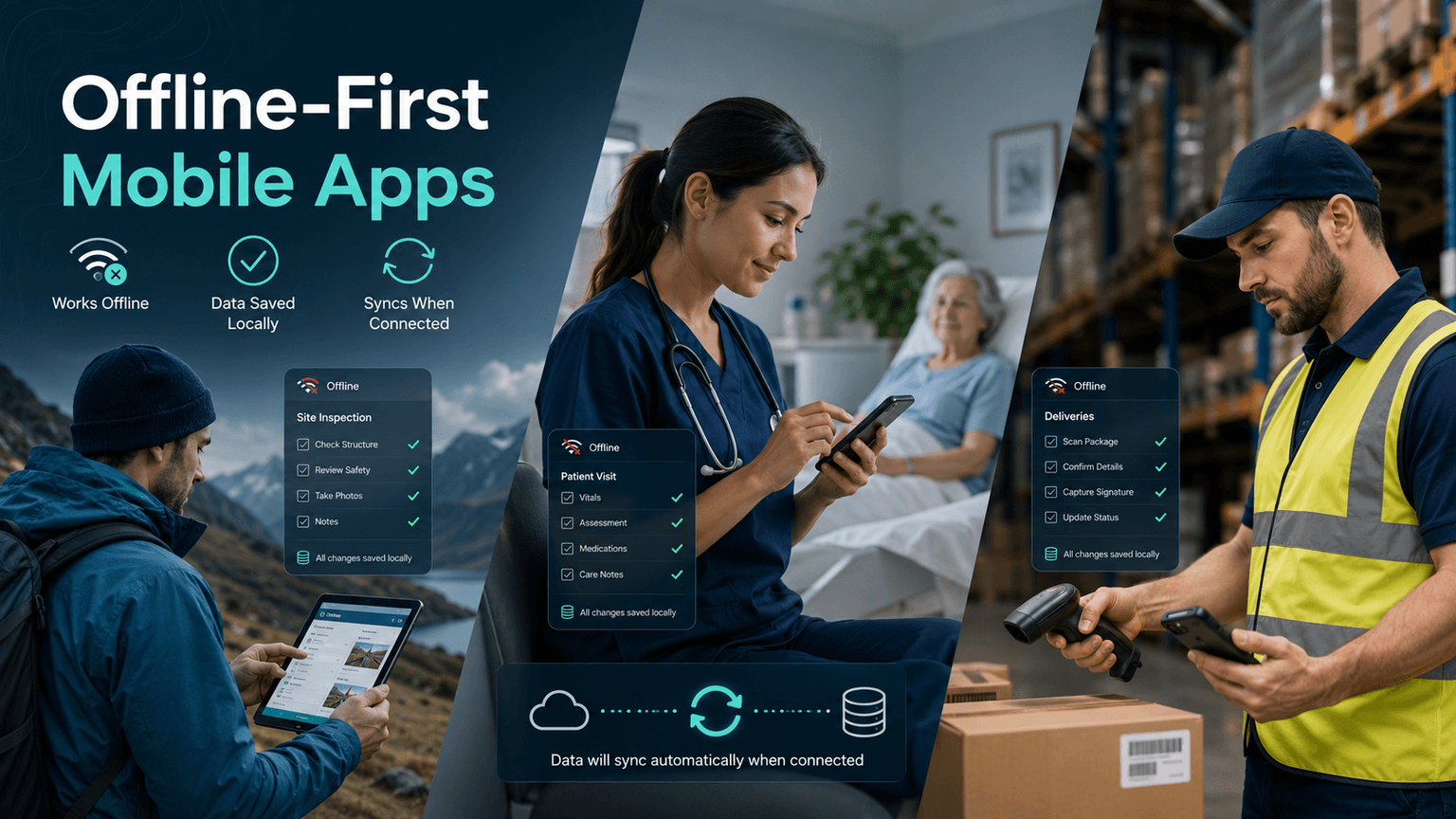
Native apps can store data locally and continue to function without an internet connection. This is critical for apps used in warehouses, on job sites, during travel, or in any environment where connectivity is unreliable.
App Store Presence Adds Credibility or Discovery
For consumer-facing products, being listed in the App Store or Google Play can lend legitimacy to your brand. Some users simply trust and prefer apps they can find and review in a familiar marketplace.
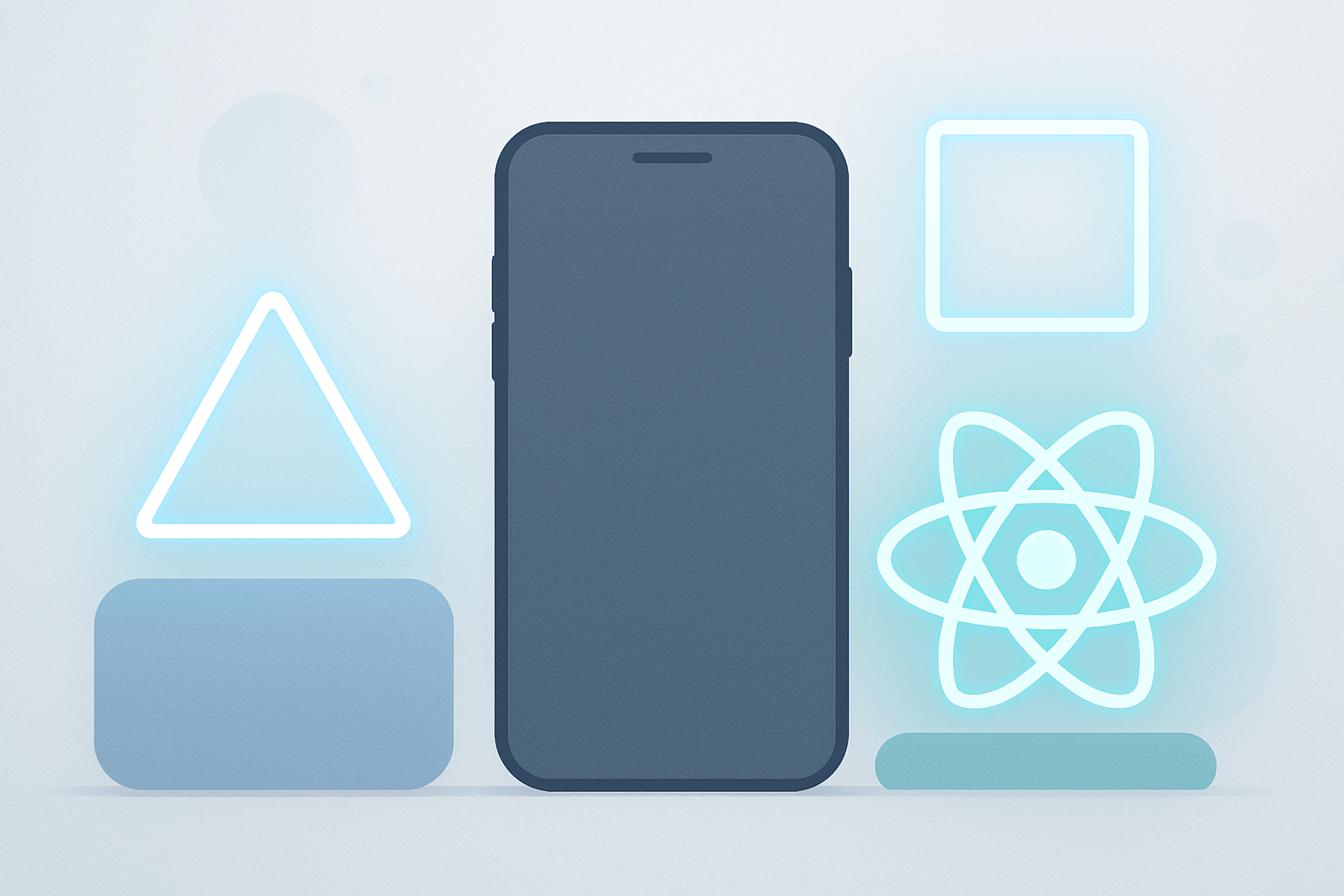
The trade-off: Native apps are more expensive to build. If you want to support both iOS and Android, you are looking at either two separate codebases or a cross-platform framework like React Native or Flutter. You also need to manage app store approvals, updates, and ongoing maintenance.
When a Mobile-Optimized Web App Is the Smarter Choice
For many businesses, a well-built mobile web app or PWA is not a compromise. It is the right tool for the job.
You Need to Launch Fast and Validate Your Idea
If you are a startup testing product-market fit, a mobile-optimized web app lets you get to users faster and at a lower upfront cost. There is no app store approval process, and updates can be pushed instantly without waiting on users to download a new version.
Your Users Come from Search or Social Media
If a significant portion of your traffic comes from Google, social ads, or email campaigns, a web app has a huge advantage: it is indexable by search engines. Native apps are essentially invisible to Google. A well-optimized web app can rank in search results and convert organic traffic directly, something a native app simply cannot do.
You Are Serving a Broad, Cross-Platform Audience
A single responsive web app works on iOS, Android, Windows, and Mac without any additional development effort. For B2B tools, internal dashboards, or SaaS platforms where users might switch between a desktop and a phone, this kind of universal access is a genuine advantage.
Budget Is a Real Constraint
Building and maintaining a high-quality native app for both major platforms costs considerably more than building a single mobile-optimized web application. If you are working with a limited budget, the right move may be to build a strong web experience first, then invest in native apps once revenue and user data support that decision.
The Hidden Costs Most People Overlook
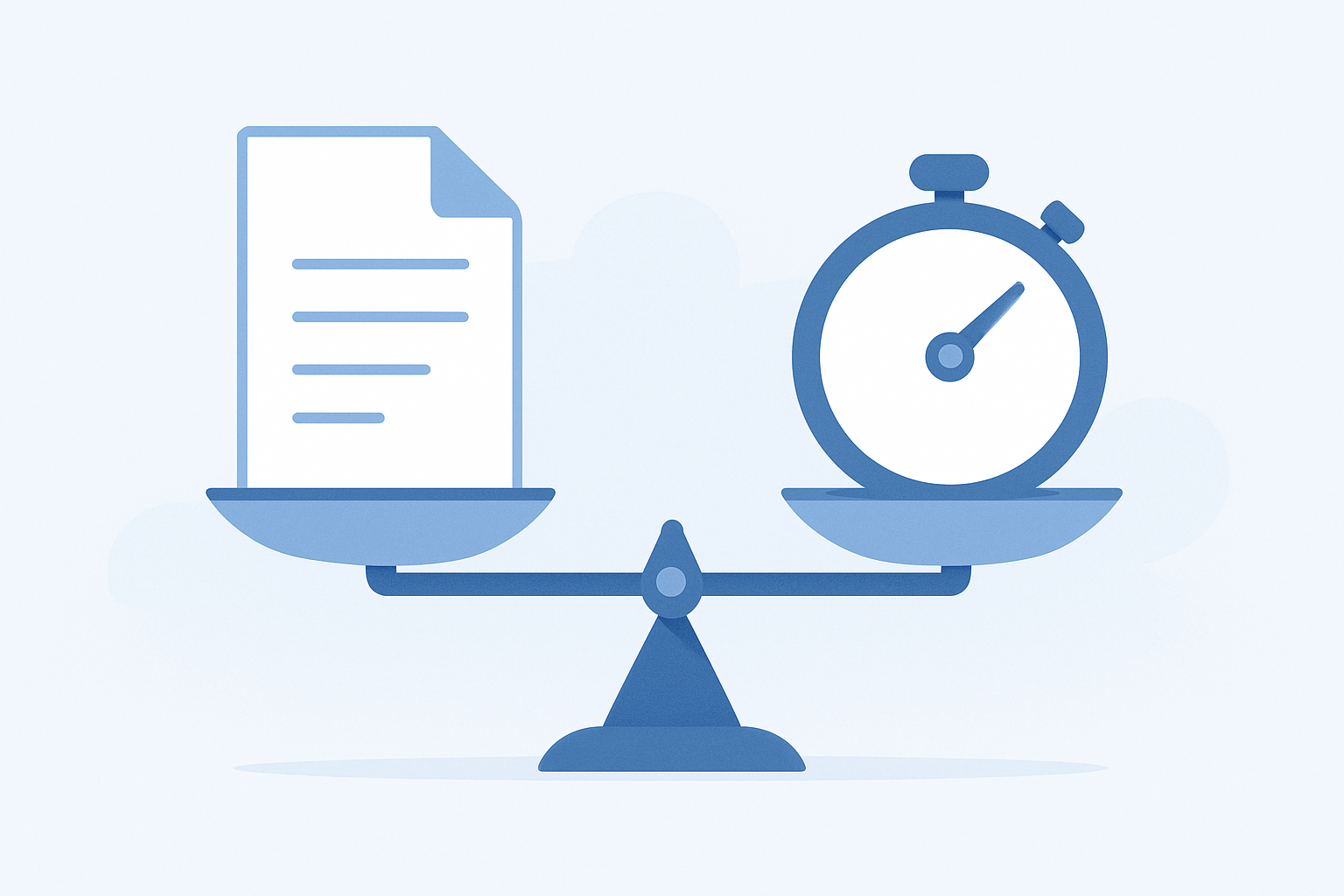
When comparing the two options, it is easy to focus on the upfront development cost. But the total cost of ownership tells a more complete story.
App store fees and approval delays: Apple and Google each charge annual developer fees and review new app submissions, which can delay your launch by days or weeks.
Ongoing maintenance per platform: A native app requires separate updates for each operating system upgrade. When Apple releases iOS 18, your app may need adjustments to stay compliant.
User adoption friction: Every additional step in the installation process reduces conversion. Studies consistently show that requiring a download reduces the percentage of users who actually engage with your product.
Content updates: On a web app, you update content once and every user sees it immediately. On a native app, users must download updates manually or through auto-update settings.
None of these costs mean native apps are not worth it. They absolutely can be. But you should go in with a clear picture of the long-term commitment.
A Simple Framework for Making the Decision
Ask yourself these four questions before committing to either path:
1. Does my product require hardware access like a camera, GPS, or Bluetooth? If yes, lean toward native.
2. Will users engage daily and benefit from push notifications? If yes, lean toward native.
3. Is search engine visibility or fast launch speed critical to my growth strategy? If yes, lean toward web.
4. Do I have a proven user base and revenue to justify the ongoing cost of native development? If no, start with web and scale up.
For many early-stage businesses and SaaS startups, the smartest move is to launch with a polished mobile-optimized web app or PWA, validate demand, and then build native apps as a second phase once you have the data to justify the investment.
Making the Right Call for Your Business
The mobile app vs. web app decision is not a question with a universal right answer. It is a strategic business decision that should be based on your users, your growth model, your timeline, and your budget. Getting it wrong at the start does not have to be catastrophic, but it can slow you down and cost more to fix later.
At NextGen Software, based in Boca Raton, FL, we help startups and growing businesses think through exactly these kinds of decisions before a single line of code is written. Whether you end up needing a native iOS and Android app, a high-performance web app, or a phased approach that starts lean and scales up, our team can map out the right path and build it with you. If you are trying to figure out which direction makes sense for your product, we would love to talk. Visit nextgensoftware.us to schedule a free discovery call and get clarity before you commit.