How to Turn a Business Idea into a Mobile App
From Napkin Sketch to App Store: A Practical Guide for Business Owners
You have a business idea that could work as a mobile app. Maybe it solves a problem you have experienced firsthand, or maybe you spotted a gap in your market. Either way, the leap from "great idea" to "working app" can feel overwhelming, especially if you are not a developer.
The good news is that you do not need to write a single line of code to successfully bring a mobile app to life. What you do need is a clear process, realistic expectations, and the right team in your corner. This guide walks you through exactly how to make it happen.
Step 1: Validate Your Idea Before You Build Anything
The most expensive mistake a founder can make is building an app nobody wants. Before investing in development, spend time validating your concept.
Start by answering these questions:
Who is your target user, and what specific problem does this app solve for them?
Are people currently solving this problem another way, and why is your solution better?
Would someone pay for this, or is there another viable business model?
Talk to at least 10 to 20 potential users. These conversations are more valuable than any market research report. You are listening for patterns: frustrations, current workarounds, and willingness to change behavior.
You can also validate demand quickly by building a simple landing page that describes your app and includes a sign-up form. If people sign up before the app exists, that is a strong signal you are on to something real.
Step 2: Define Your Core Features (Start Small on Purpose)
Once you have validated the idea, the temptation is to build every feature you can imagine. Resist this. The most successful apps launch with a focused set of features that solve one problem extremely well.
This approach is called building a Minimum Viable Product, or MVP. An MVP is not a half-finished product. It is a strategically scoped version of your app that delivers real value to early users while keeping your time-to-market and upfront costs manageable.
To define your MVP, try this exercise:
1. List every feature you want in the final product.
2. Mark each one as "must have," "nice to have," or "save for later."
3. Keep only the "must have" items for your first version.
A ride-sharing app, for example, does not need surge pricing, driver ratings, and multi-stop trips on day one. It needs to reliably connect a driver with a rider. Everything else can come after you have proven the core experience works.
Step 3: Understand the Technical Decisions That Affect Your Budget
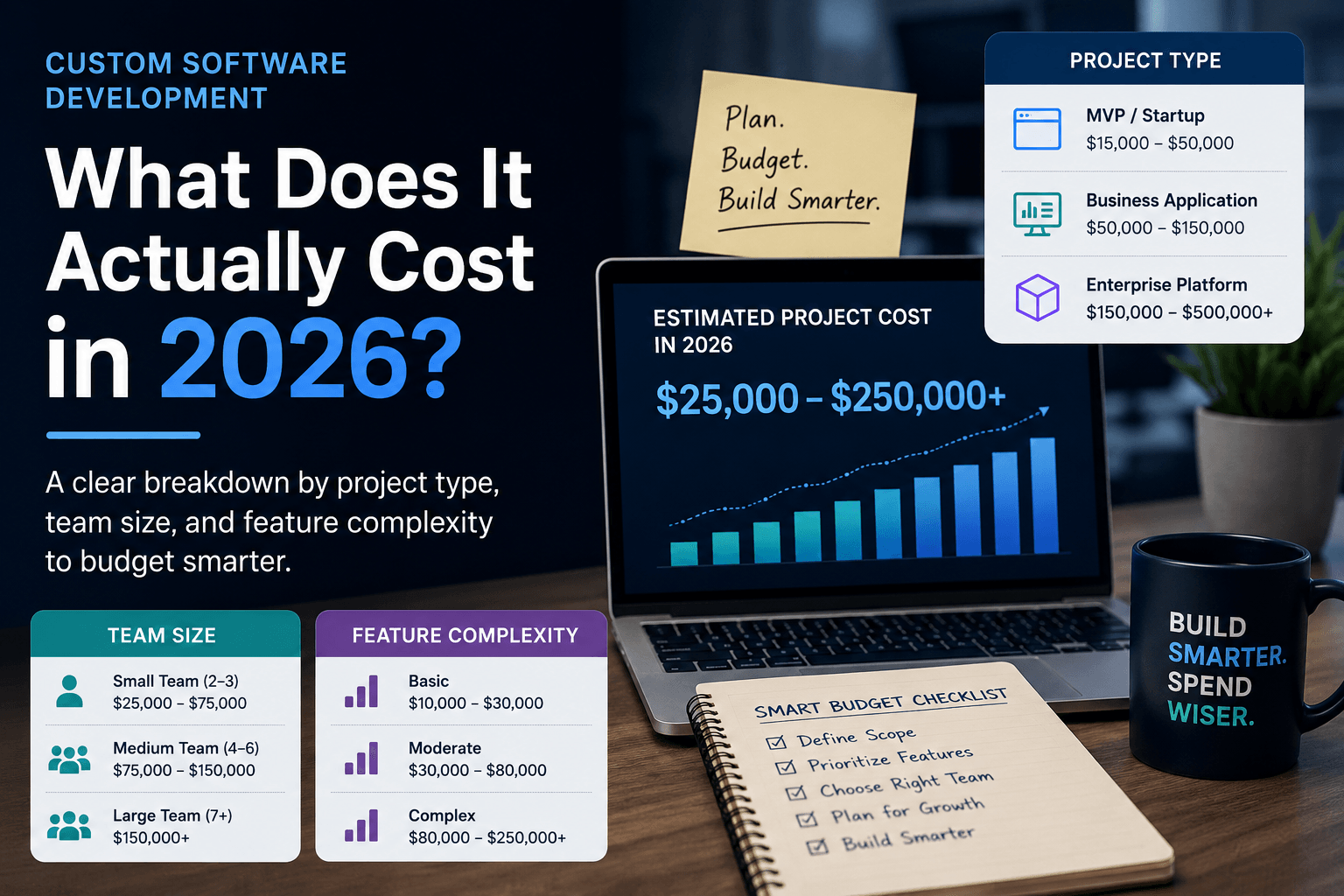
You do not need to become a developer, but understanding a few key decisions will help you have smarter conversations and avoid costly surprises.
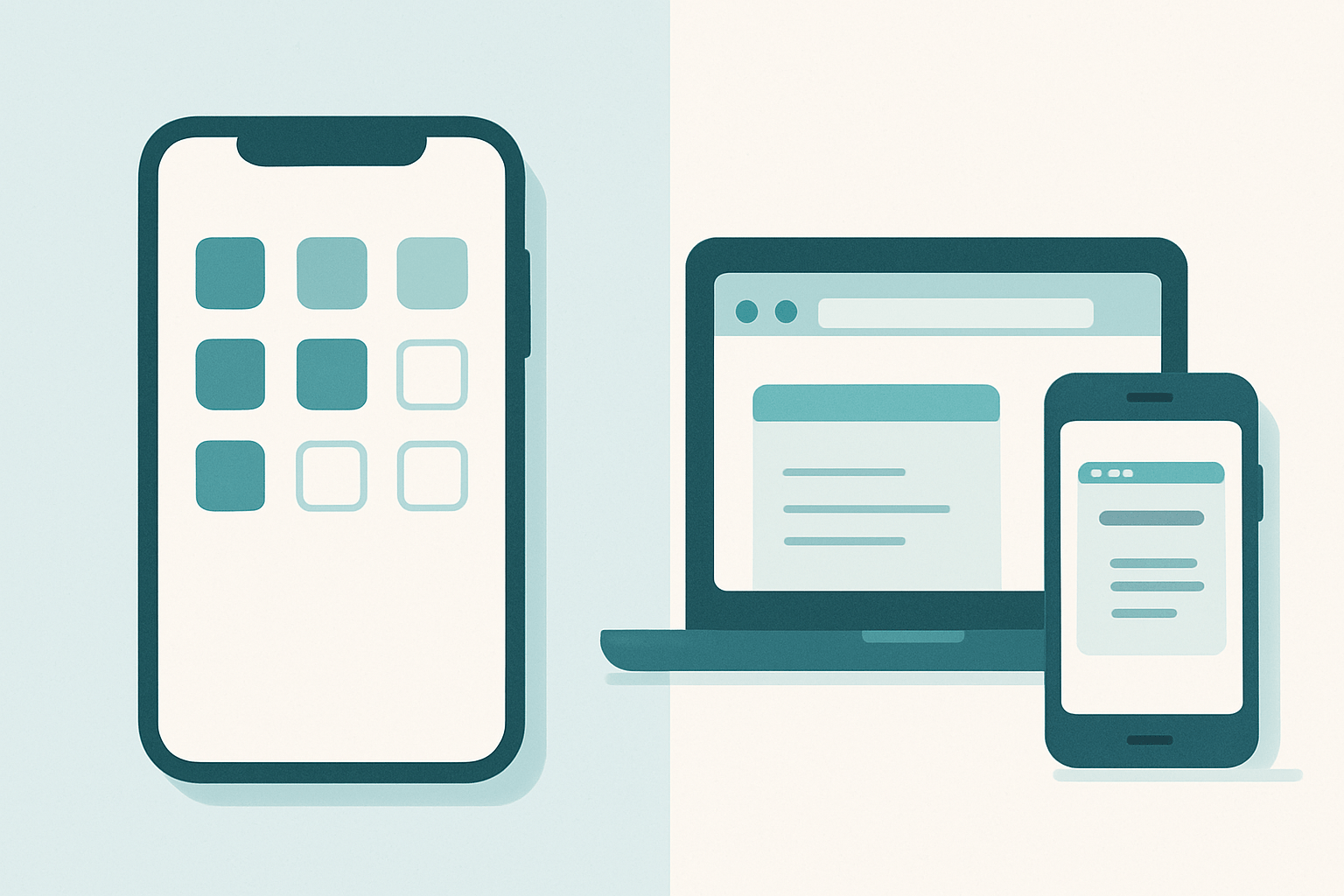
Native vs. Cross-Platform Development
Native apps are built separately for iOS and Android using platform-specific tools. They tend to offer the best performance but cost more because you are essentially building two apps.
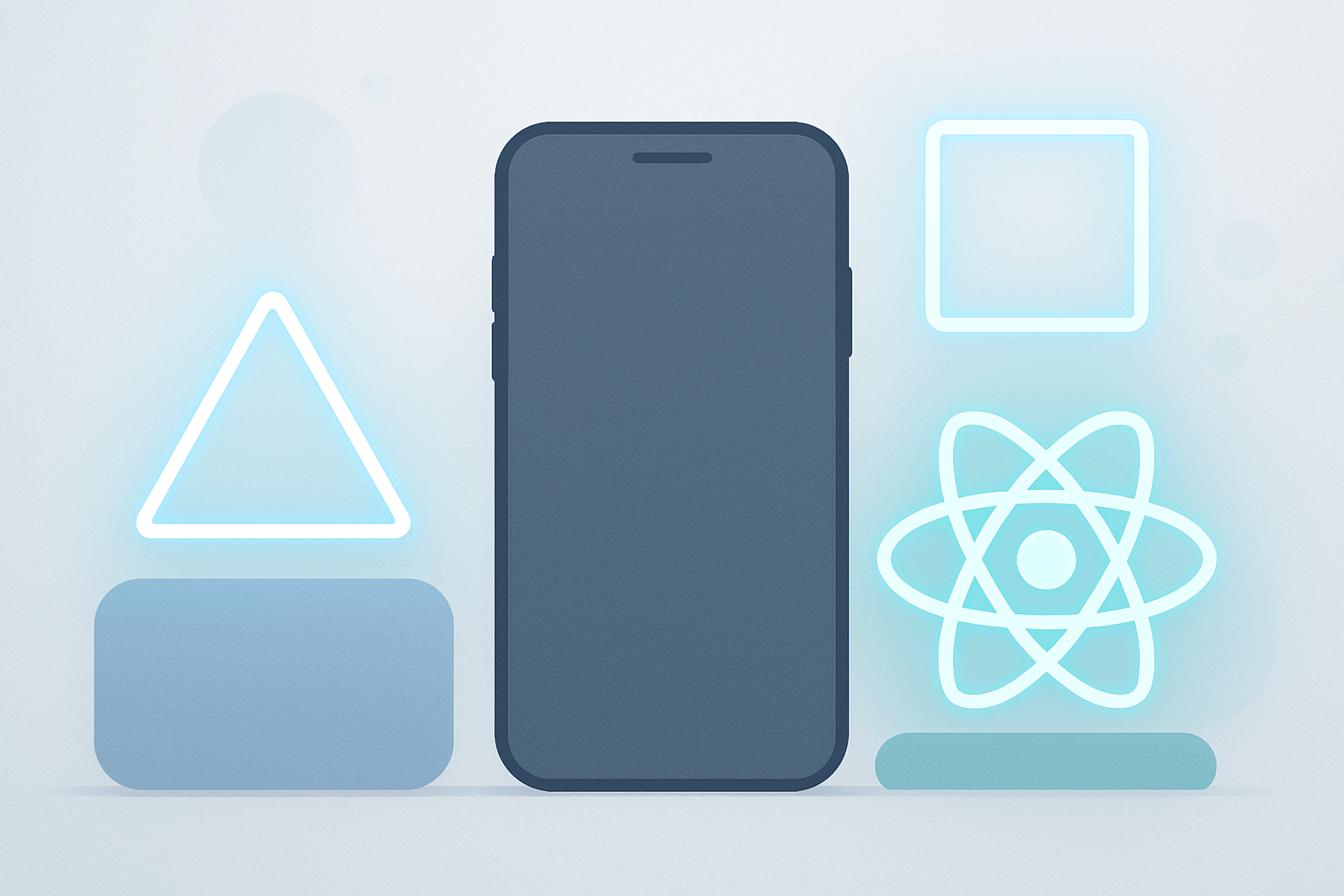
Cross-platform apps are built once using frameworks like React Native or Flutter and run on both iOS and Android. They are a popular choice for startups because they reduce development time and cost without sacrificing too much in terms of user experience.
Backend and Integrations
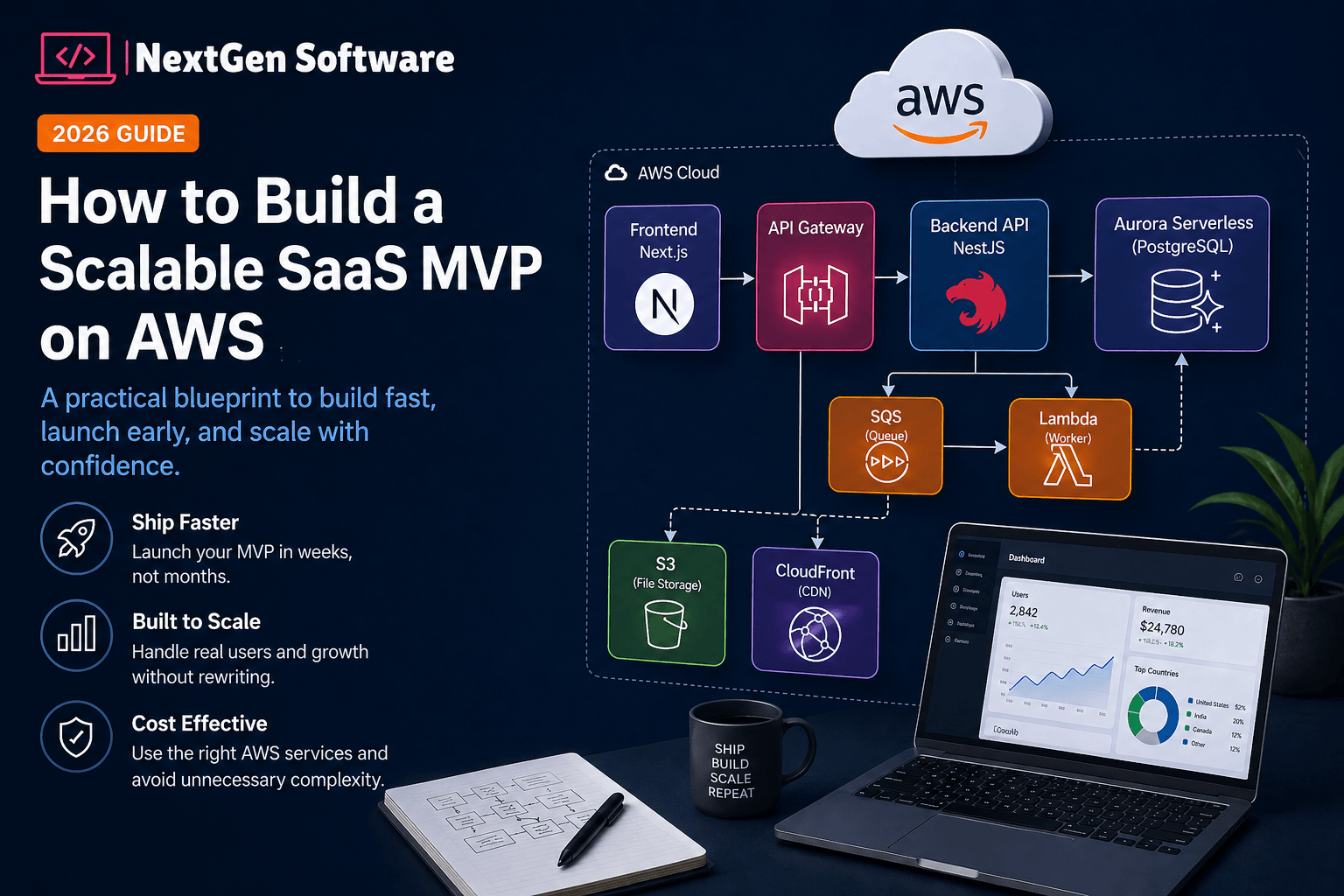
Most apps need a backend, which is the server-side system that stores data, handles user accounts, and powers features like notifications or payments. If your app needs to connect with third-party tools like Stripe for payments, Twilio for SMS, or your existing CRM, those API integrations add complexity and time to the project.
Knowing these factors in advance helps your development partner scope the project accurately from the start.
Step 4: Find the Right Development Partner
This is arguably the most important decision you will make. A great development team does more than write code. They ask hard questions, push back on scope when needed, and help you prioritize what will actually move the needle for your business.
When evaluating software development companies, look for:
A portfolio of apps similar in complexity to yours
A clear discovery and scoping process before any contract is signed
Transparent communication, with regular updates and milestone-based billing
Experience building products for startups and growth-stage businesses, not just enterprise clients
References you can actually contact
Avoid agencies that skip the discovery phase and jump straight to pricing. A number without a thorough scoping process is just a guess, and those guesses almost always grow into budget overruns.
Step 5: Plan for Launch and What Comes After
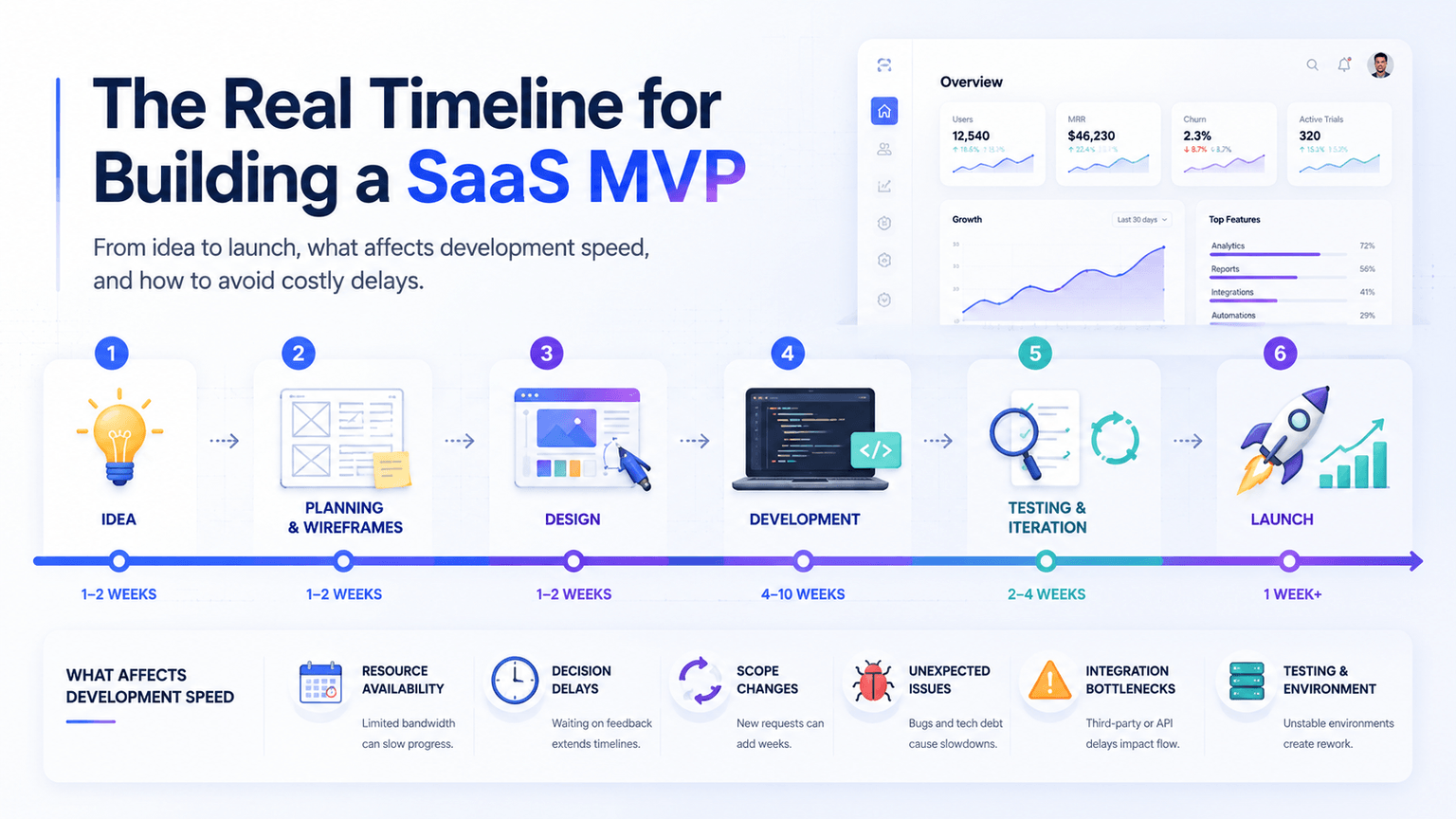
Building the app is only half the job. A successful launch requires preparation, and long-term success requires ongoing iteration.
Before launch, make sure you have:
Completed beta testing with real users from your target audience
Submitted your app to the Apple App Store and Google Play Store with enough lead time (Apple review alone can take one to two weeks)
A plan to acquire your first users, whether that is email outreach, social media, paid ads, or partnerships
Analytics set up inside the app so you can track how users behave from day one
After launch, your work continues. Real users will find friction points you never anticipated. Treat early feedback as a gift. Use it to prioritize your next development sprint and keep improving the product over time. The apps that win are rarely the ones with the best initial launch. They are the ones that iterate the fastest based on what users actually do.
Common Mistakes to Avoid
A few missteps show up repeatedly among first-time app founders. Knowing them in advance can save you significant time and money.
Building in secret for too long. The longer you wait to get user feedback, the more you risk building something that misses the mark.
Prioritizing design over functionality early on. A beautiful app that is buggy or slow will lose users. Get the core experience right first.
Underestimating post-launch costs. Hosting, maintenance, updates, and customer support are ongoing expenses. Build them into your budget from the beginning.
Choosing the cheapest option without checking references. Offshore developers offering rock-bottom rates may cost you more in revisions, missed deadlines, and technical debt down the road.
Ready to Build? Start with a Conversation
Turning a business idea into a mobile app is absolutely achievable, even without a technical background. The key is following a disciplined process: validate first, scope tightly, choose the right partner, and commit to iterating after launch.
If you are at the early stages and want an honest assessment of what it would take to build your idea, NextGen Software works with startups and growing businesses in Boca Raton and across the country to design, build, and launch custom mobile apps, web apps, and SaaS products. Their team specializes in helping non-technical founders navigate exactly this process, from the first whiteboard session to the app store submission and beyond. Visit nextgensoftware.us to schedule a free discovery call and find out what it would realistically take to bring your idea to life.