How to Build a Marketplace App from Scratch
What Is a Marketplace App and Why Build One?
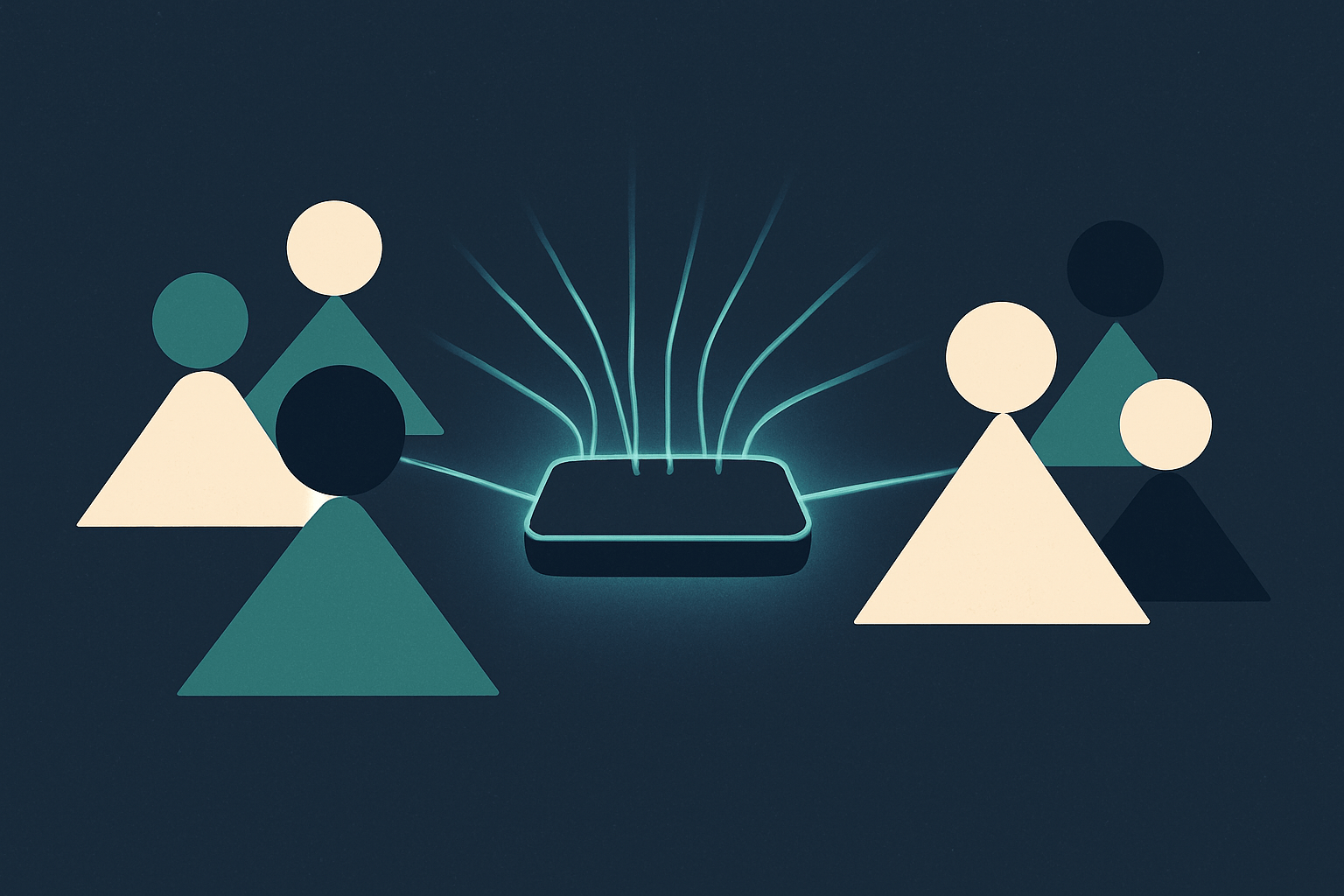
A marketplace app connects two or more groups of users, typically buyers and sellers, service providers and clients, or creators and consumers. Think of platforms like Airbnb, Etsy, or Uber. Each one solves a specific problem by bringing supply and demand together in a single digital space.
The appeal for business owners is clear: once your marketplace gains traction, it can generate revenue from transaction fees, subscriptions, or listings without you needing to own inventory or deliver the service yourself. That said, building one from scratch is a significant undertaking. Understanding the process before you invest helps you make smarter decisions and avoid costly missteps.
Step 1: Define Your Marketplace Model
Before writing a single line of code, you need to answer some foundational questions:
What type of marketplace are you building? Product, service, rental, or digital goods?
Who are your two sides? Define your buyers and sellers clearly.
How will you make money? Common models include commission per transaction, monthly seller subscriptions, featured listings, or a freemium tier.
What is your niche? Broad marketplaces face fierce competition. A focused niche, such as handmade furniture or freelance legal services, gives you a clearer path to early traction.
This clarity shapes every technical decision that follows. Skipping this step is one of the most common reasons marketplace startups stall out after launch.
Step 2: Map Out Your Core Features
Every marketplace app shares a common set of features, but the specifics depend on your model. Here is what most successful platforms include at launch:
For Buyers
Search and filtering by category, price, location, or rating
Detailed listing pages with photos, descriptions, and reviews
A secure checkout or booking flow
Messaging or inquiry tools to contact sellers
Order history and tracking
For Sellers
A dashboard to manage listings, orders, and payouts
Profile setup with verification options
Analytics to track views and conversions
Notification systems for new orders or messages
For Admins
User management and moderation tools
Dispute resolution workflows
Revenue reporting and payout management
Content approval queues
A word of advice: start with a minimum viable product (MVP). Resist the urge to build every feature on day one. Launch with the core experience, gather real user feedback, and iterate from there. This approach saves money and gets you to market faster.
Step 3: Choose Your Tech Stack and Architecture
This is where many non-technical founders feel overwhelmed. Here is a simplified breakdown of the key decisions:
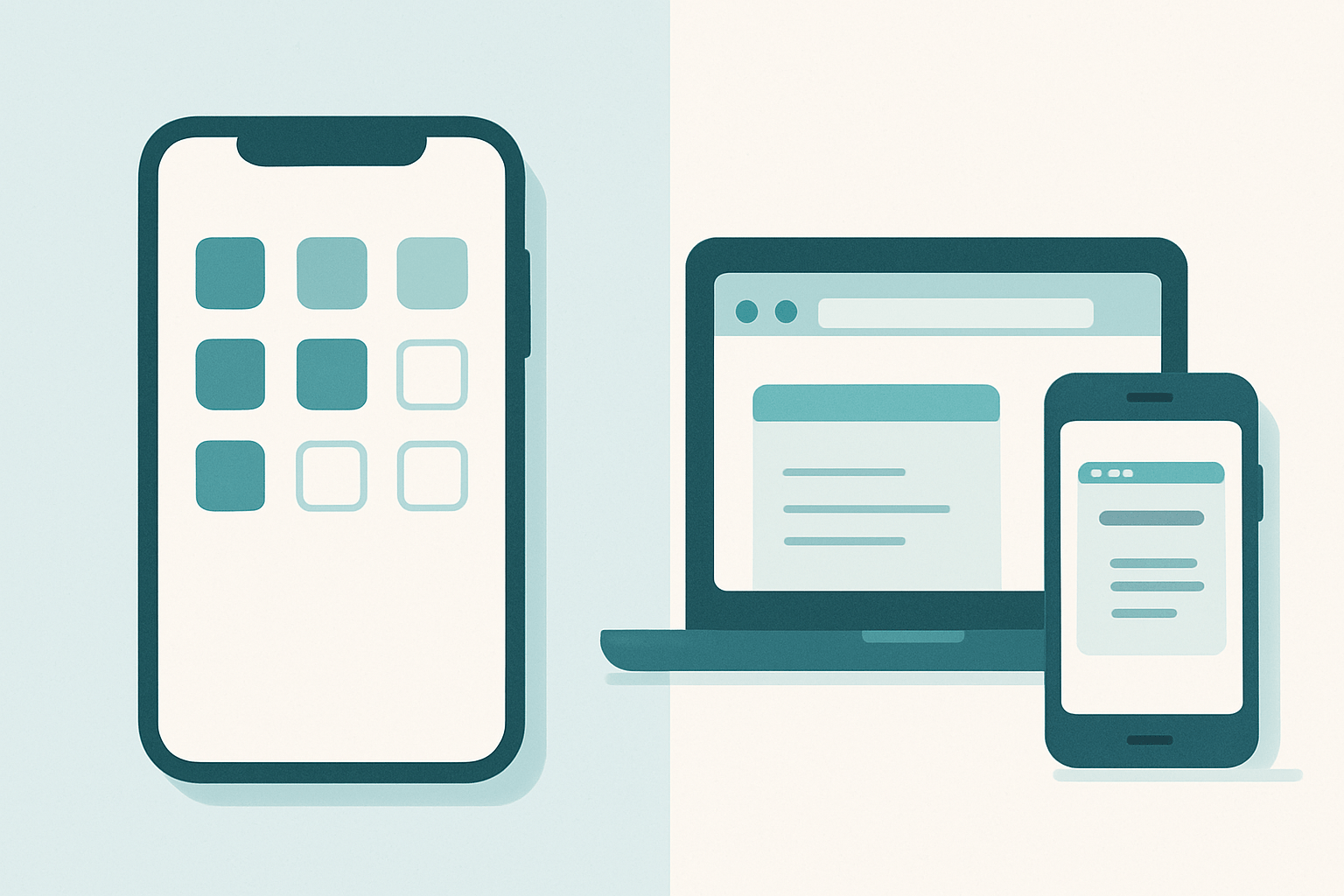
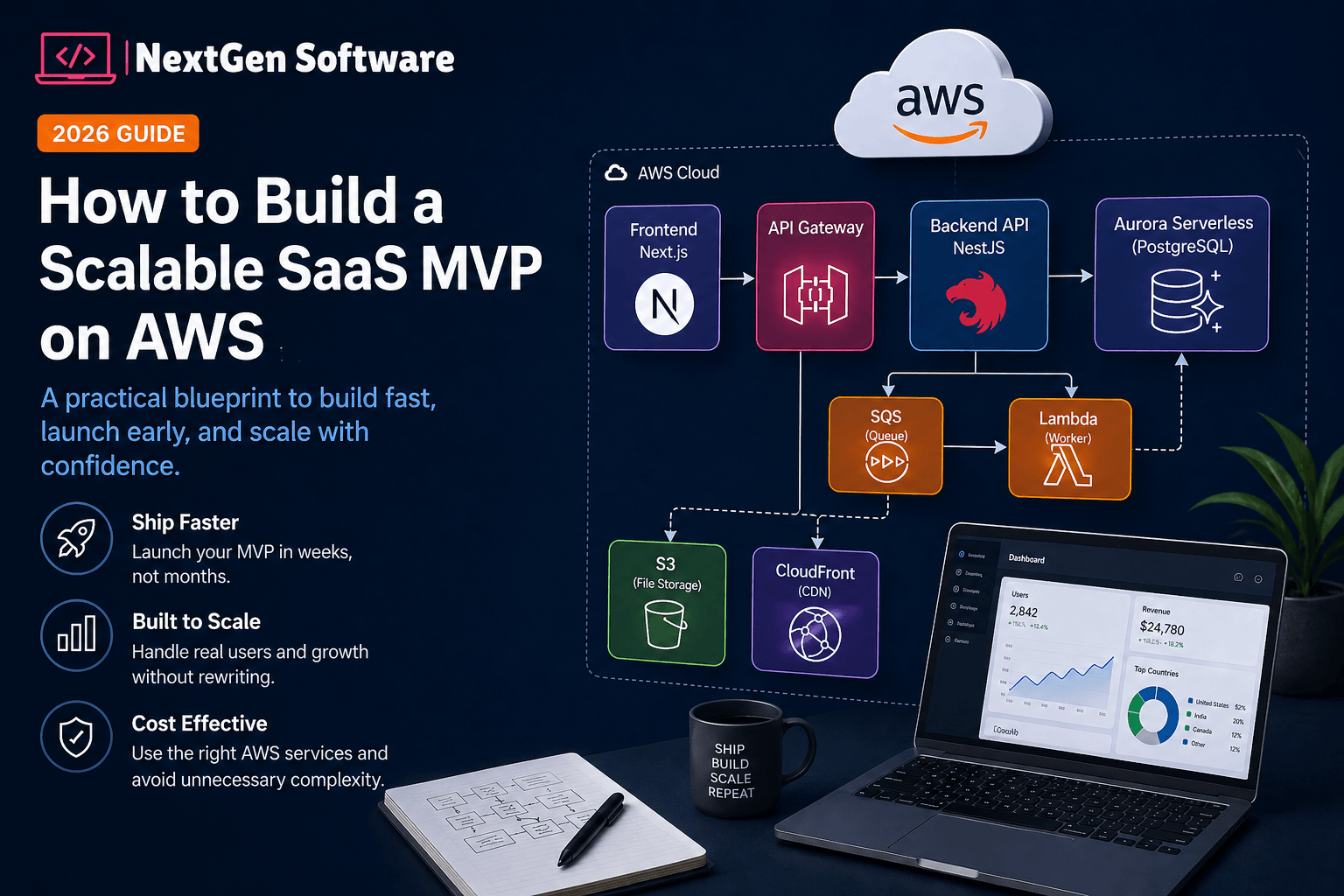
Frontend (what users see): Modern frameworks like React or Next.js are popular for web-based marketplaces. For mobile, you might choose React Native for cross-platform support or native development for iOS and Android separately.
Backend (the logic behind the scenes): Node.js, Python, or Ruby on Rails are common choices. Your backend handles user authentication, listing management, search, and payment processing.
Database: Most marketplaces use a relational database like PostgreSQL for structured data such as users and orders, sometimes combined with a search engine like Elasticsearch for fast filtering.
Payments: Stripe Connect is the industry standard for marketplace payments. It handles split payments, seller onboarding, and compliance automatically, which saves enormous development time.
Cloud Hosting: AWS, Google Cloud, and Azure are reliable choices that scale as your user base grows.
If you are not technical, the most important thing to understand is this: the decisions you make here affect your long-term costs, performance, and ability to scale. A custom software partner can help you make these choices based on your specific goals rather than generic templates.
Step 4: Solve the Chicken-and-Egg Problem
Every marketplace faces the same early challenge: sellers will not join if there are no buyers, and buyers will not come if there are no sellers. This is known as the cold start problem, and it requires a deliberate strategy.
Some approaches that work:
Start on one side first. Recruit sellers or service providers before launching publicly. Build up supply so that when buyers arrive, they find a full marketplace.
Seed the supply yourself. In the early days, some founders manually fulfill orders or curate listings to simulate activity.
Target a geographic niche. Launch in one city or community before expanding. Concentration builds density faster than spreading thin across markets.
Offer incentives. Early sellers might get reduced fees, and early buyers might get credits or discounts for being first adopters.
This is a business strategy problem as much as a technical one. Your marketplace app needs to be built in a way that makes it easy to manage this phase, with tools for manual curation, invitations, and early user communication baked in from the start.
Step 5: Plan for Trust and Safety
Marketplaces live and die by trust. If buyers get scammed or sellers do not get paid, your platform fails. Build these systems in from the beginning:
Identity verification: Integrate tools like Stripe Identity or Persona to verify users where needed.
Review and rating systems: Transparent feedback loops create accountability on both sides.
Dispute resolution workflows: Have a clear process for handling complaints, refunds, and conflicts.
Fraud detection: Monitor unusual activity and flag suspicious transactions automatically.
Clear terms of service: Protect your platform legally and set expectations for all users.
These features take time to build properly. Cutting corners here can lead to reputational damage that is very difficult to recover from.
Step 6: Budget and Timeline Expectations
Building a marketplace app is a meaningful investment. Here is a rough framework for planning:
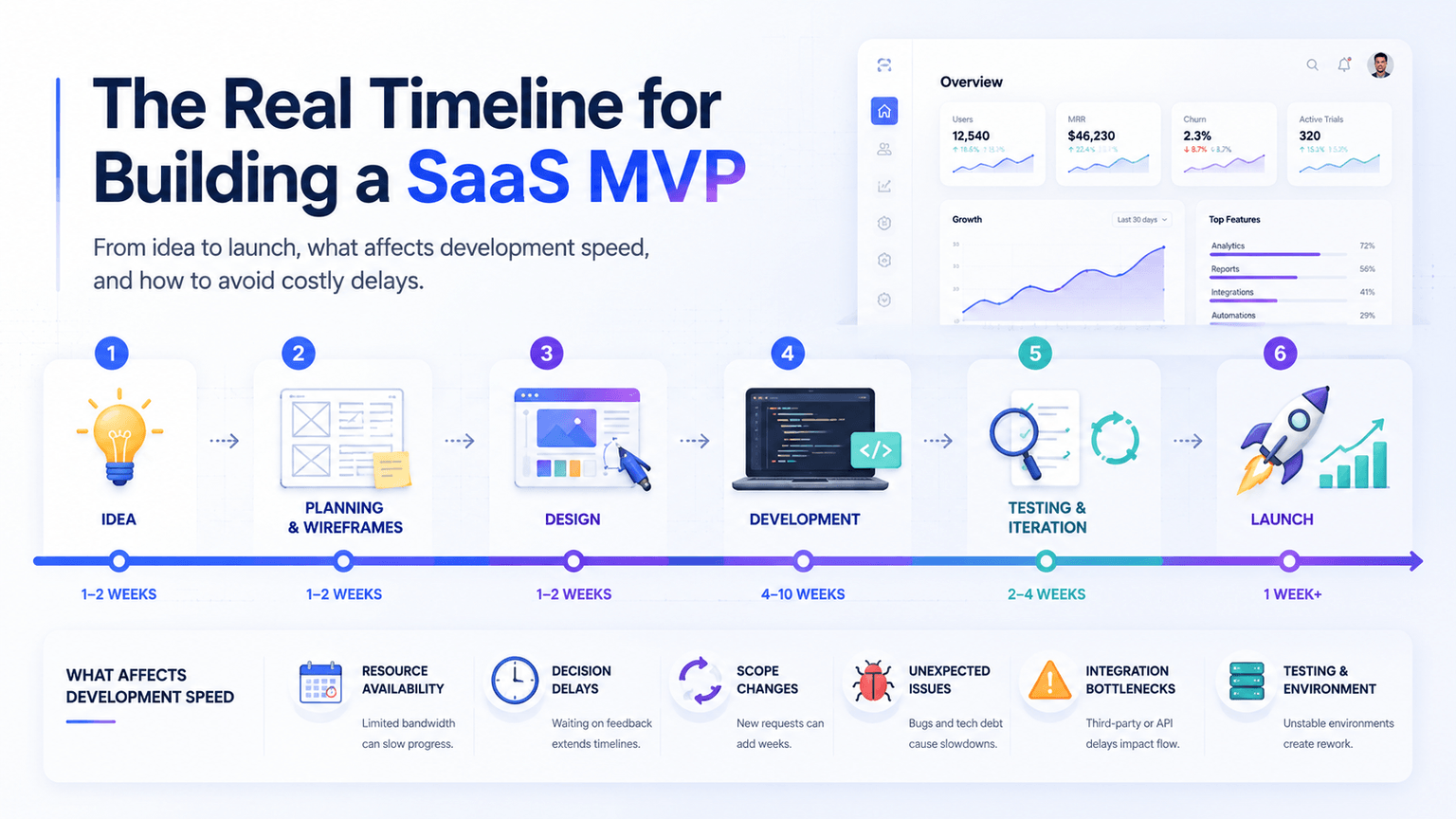
MVP with core features: Typically 3 to 5 months of development time
Custom design and user experience work: Factor in additional time before development begins
Ongoing maintenance, hosting, and updates: Budget roughly 15 to 20 percent of your build cost annually
Third-party services: Payments, email, SMS, and analytics tools add recurring monthly costs
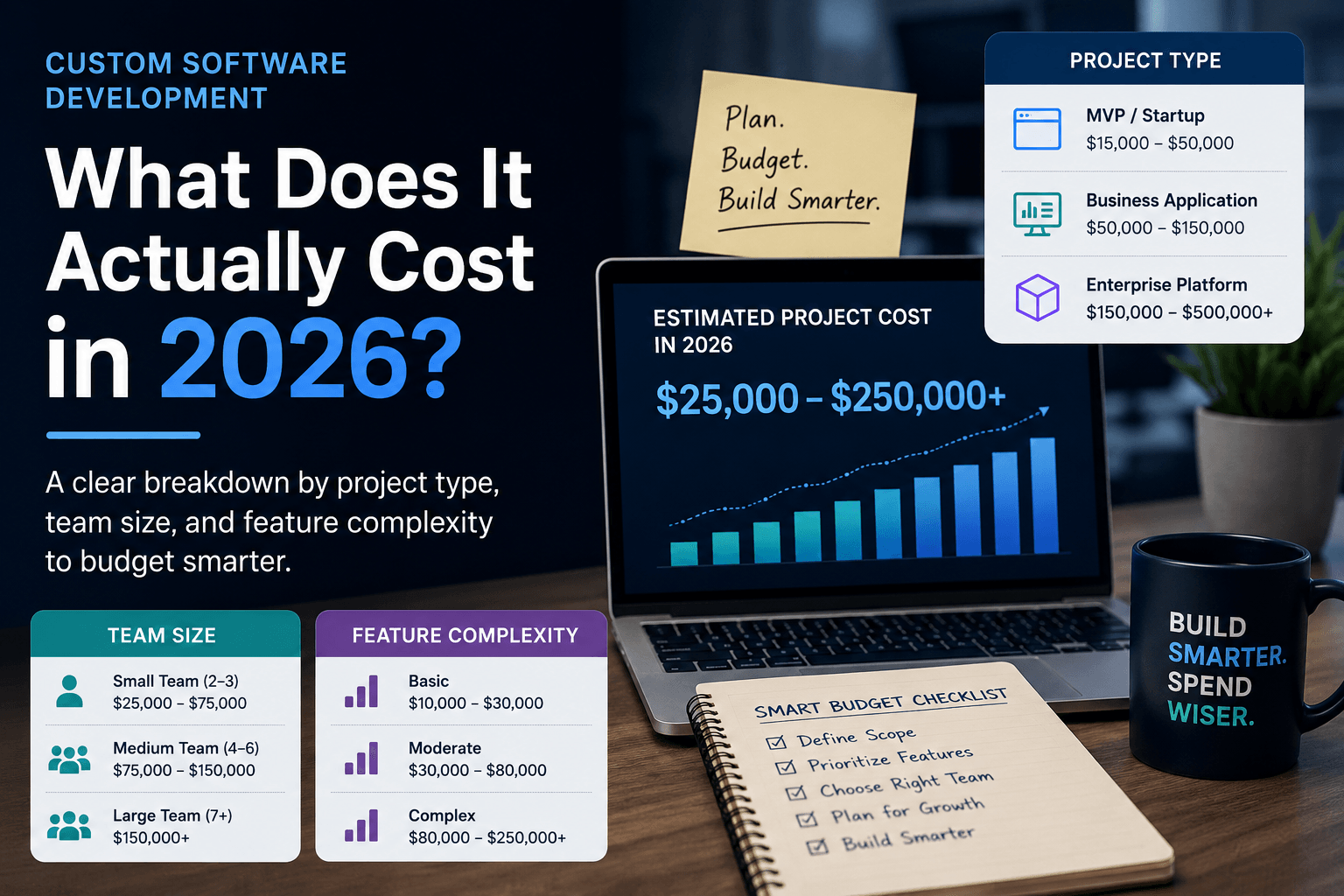
The cost of a marketplace app varies widely based on complexity, the development team you choose, and whether you are building for web, mobile, or both. Working with a focused custom development team typically delivers better results than trying to piece together no-code tools for a complex platform.
Ready to Build? Start with the Right Partner
Building a marketplace app from scratch is one of the most rewarding but complex software projects a founder can take on. Every decision, from your tech stack to your trust infrastructure, has long-term consequences. Getting expert guidance early in the process can save you months of rework and tens of thousands of dollars.
At NextGen Software, based in Boca Raton, FL, we help startups and growing businesses design and build custom marketplace platforms, web apps, and mobile applications tailored to their specific goals. We work closely with founders who are not technical to translate business ideas into scalable, production-ready software. If you are evaluating how to bring your marketplace idea to life, we would love to help you think it through. Visit nextgensoftware.us to schedule a free discovery call and get a clear picture of what it would take to build your platform the right way.