Vertical SaaS: Why Industry-Specific Software Wins
The Software Landscape Is Shifting
For years, the dominant strategy in software was to build tools broad enough to serve everyone. Platforms like Salesforce, QuickBooks, and generic project management tools promised to fit any business in any industry. And for a while, that worked.
But something has changed. A growing number of businesses are moving away from one-size-fits-all platforms and toward vertical SaaS, software built specifically for their industry. Whether you run a dental practice, a logistics company, a real estate brokerage, or a specialty retailer, the odds are good that a purpose-built software solution exists, or could be built, to serve your exact needs better than any generic tool ever could.
This shift is not just a trend. It reflects a deeper truth about how businesses operate and compete.
What Is Vertical SaaS?
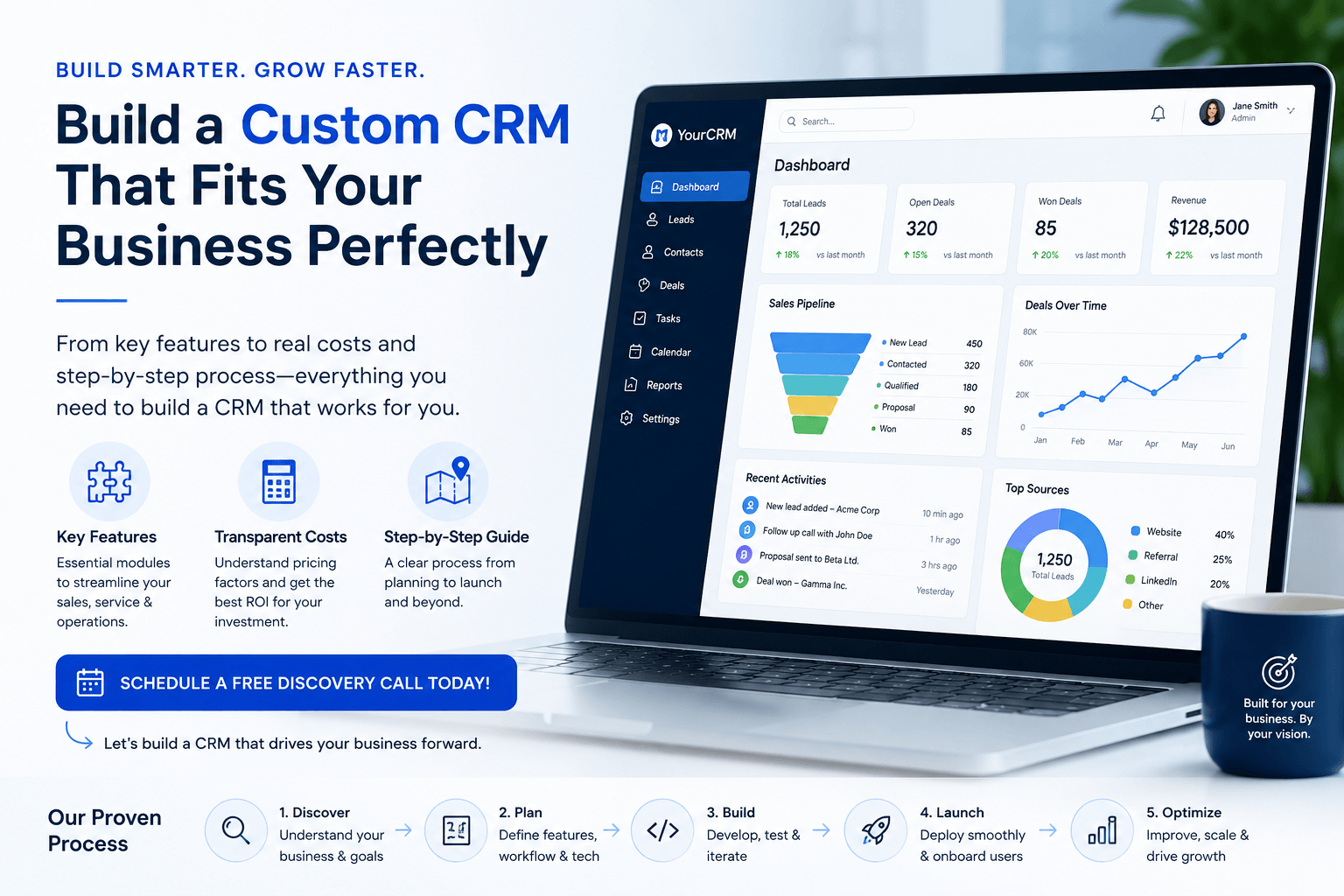
Vertical SaaS refers to software-as-a-service platforms designed to serve a specific industry or niche, rather than a broad horizontal market. Instead of building a CRM that works for any sales team, a vertical SaaS company might build a CRM specifically for insurance brokers, complete with policy tracking, commission calculations, and compliance workflows built right in.
Contrast that with horizontal SaaS, tools like Slack, Zoom, or generic CRMs that are designed to be flexible across dozens of industries. These tools are useful, but they often require significant customization, workarounds, or third-party integrations just to fit how your specific business works.
The difference comes down to context. A vertical SaaS product speaks your language from day one.
Why Vertical SaaS Is Outperforming Generic Platforms
Several measurable factors explain why industry-specific software consistently outperforms its generic counterparts for businesses operating in defined niches.
1. Faster Onboarding and Adoption
When software is built around your industry's workflows, your team does not need weeks of configuration and training to get value from it. The terminology, the processes, and the data structures already match how your team thinks. This leads to faster adoption, fewer errors, and less resistance from employees.
Generic platforms often require businesses to bend their processes to fit the software. Vertical SaaS does the opposite.
2. Deeper Feature Relevance
Horizontal platforms try to solve a wide range of problems at a surface level. Vertical platforms go deep on the specific problems that matter to your industry. A field service management platform built for HVAC companies, for example, will include technician dispatch routing, seasonal maintenance scheduling, and equipment service history in ways that a generic platform simply cannot replicate without extensive customization.
This depth translates directly into operational efficiency and competitive advantage.
3. Built-In Compliance and Industry Standards
Many industries operate under strict regulatory requirements. Healthcare businesses need HIPAA compliance. Financial services firms need SOC 2 controls. Construction companies need to track licensing and safety certifications.
Vertical SaaS platforms often come pre-built with the compliance frameworks your industry requires, reducing legal risk and saving your team from building those safeguards manually on top of a generic tool.
4. Better Data and Benchmarking
Because vertical SaaS products serve a defined industry, they can offer industry-specific analytics and benchmarks that generic tools cannot. Knowing how your customer acquisition cost compares to similar businesses in your niche, or how your technician utilization rate stacks up against industry averages, is far more valuable than generic dashboard metrics.
The Custom Software Angle: Building Your Own Vertical Solution
Not every industry has a mature vertical SaaS product available. And even in industries where solutions exist, they may not align perfectly with how your specific business operates.
This is where custom software development becomes a compelling alternative to buying an off-the-shelf vertical product.
Building a custom vertical solution means:
Your software fits your exact workflows, not a vendor's interpretation of them
You own the intellectual property and the data
You are not subject to pricing changes, feature removals, or vendor shutdowns
You can build competitive differentiation directly into your technology
You can integrate with your existing tools through custom API integrations
For growing businesses and startups with a clear operational model, a custom-built platform can become one of your most valuable long-term assets. Some of the most successful SaaS companies today started as internal tools built to solve a specific problem for one business.
Signs Your Business Might Need a Vertical or Custom Solution
Not every business needs to abandon generic software. But there are clear signals that a vertical or custom approach makes sense.
Your team relies on multiple disconnected tools that require manual data transfer between them
You have workflows that no existing software handles well without significant workarounds
You are losing time or revenue because your software does not match how your business actually operates
You are in a regulated industry and generic tools require expensive add-ons or risky workarounds to stay compliant
You have a business model or service delivery method that is genuinely unique to your niche
If two or more of these apply to your business, it is worth at least exploring what a purpose-built solution would look like.
What to Consider Before Investing in Industry-Specific Software
Whether you are evaluating an existing vertical SaaS product or considering building something custom, keep these factors in mind.
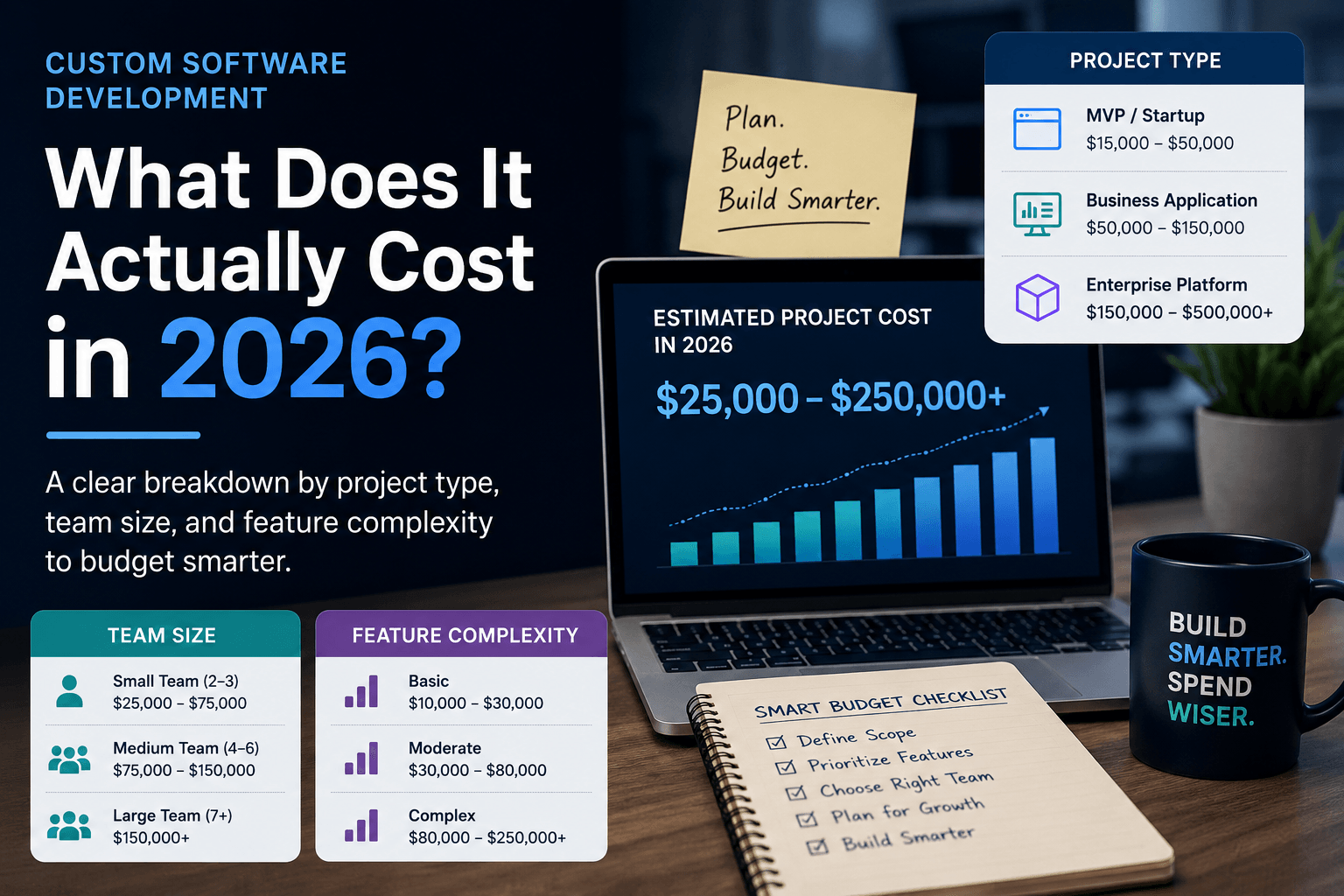
Total cost of ownership: A vertical SaaS subscription may seem cheaper upfront, but licensing costs compound over time. A custom solution has higher initial development costs but may be far more cost-effective over three to five years.
Scalability: Will the solution grow with your business? Vertical SaaS products sometimes hit ceilings as you scale. Custom software can be architected from day one to support your growth trajectory.
Integration needs: How well does the solution connect with the other tools in your stack? Custom software built with API-first architecture gives you maximum flexibility here.
Support and iteration: Off-the-shelf products put you at the mercy of a vendor's roadmap. Custom software lets you prioritize the features that matter most to your business.
The Bottom Line
The rise of vertical SaaS is not a coincidence. It reflects the reality that industry context matters enormously in software, and that businesses performing in specialized markets deserve tools built around their actual needs. Whether that means adopting an existing vertical platform or building a custom solution from the ground up, the businesses investing in purpose-built software are consistently outpacing those stuck wrestling with generic tools.
If your business is at the point where your software is slowing you down instead of accelerating your growth, it may be time to explore what a custom-built solution could look like. NextGen Software, based in Boca Raton, FL, specializes in helping startups and growing businesses design and build web apps, mobile apps, SaaS products, and AI-powered tools tailored to their specific industry needs. Their team works closely with non-technical founders and business owners to turn operational challenges into scalable software. Visit nextgensoftware.us to schedule a free discovery call and find out what a purpose-built solution could do for your business.